
As we navigate the complexities of modern health, finding natural solutions that support overall well-being becomes increasingly important.
Ginkgo biloba, a time-honored supplement, offers a range of health benefits that make it a valuable addition to any wellness routine.
While aging and health challenges are inevitable, incorporating ginkgo biloba into your daily regimen can enhance cognitive function, improve circulation, and support long-term vitality.
What does Ginkgo biloba do for the body?
Ginkgo biloba, one of the world’s oldest tree species, has been the foundation of traditional medicine for years.
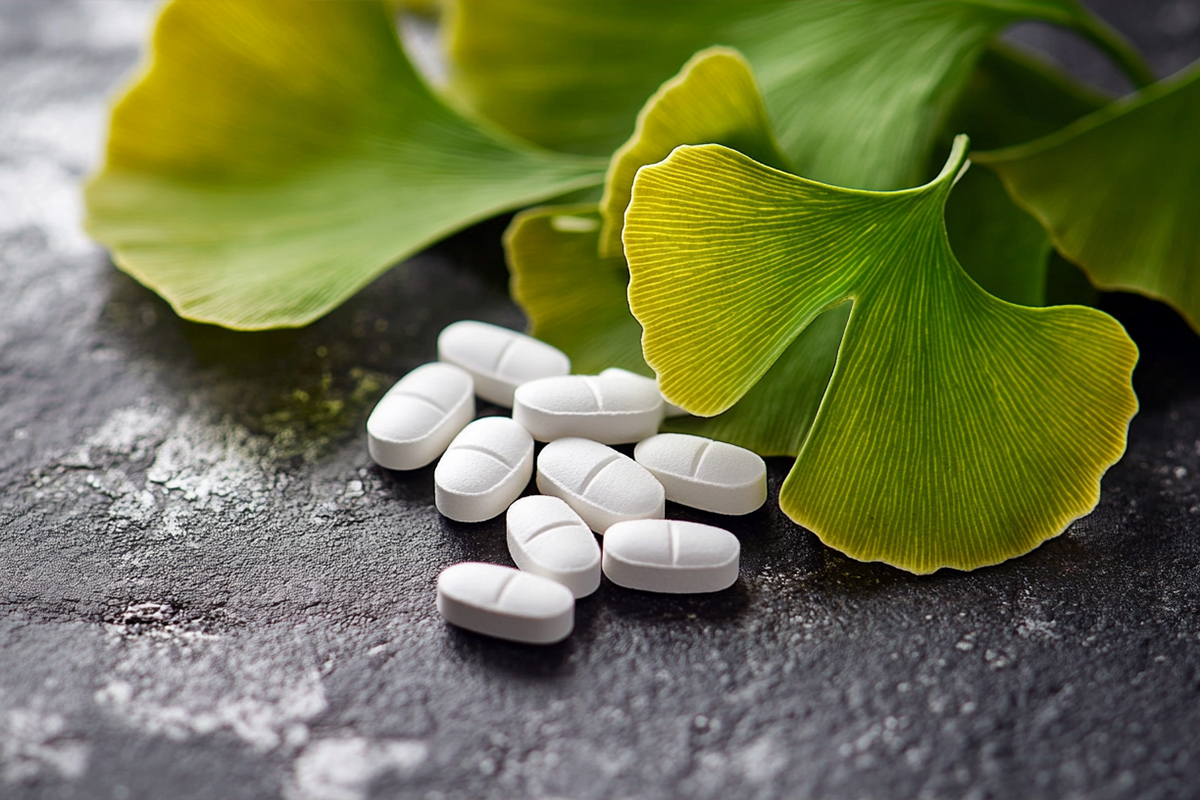
Known for its fan-shaped leaves, Ginkgo biloba is revered in Chinese herbal medicine and has gained global popularity as a natural supplement. Its potential health benefits are extensive, making it a go-to for many seeking natural ways to enhance their well-being.
Cognitive benefits
Ginkgo biloba is often praised for its potential to enhance cognitive function, making it a popular choice for those looking to improve memory and mental clarity. Scientific studies have explored its effects on the brain, and the findings are promising [1].
- Memory enhancement: Ginkgo biloba may improve memory in both healthy individuals and those experiencing age-related memory decline. It is particularly noted for its potential to enhance short-term memory and recall.
- Improved focus: The supplement can help increase attention span and concentration.
- Cognitive decline prevention: Research suggests that Ginkgo biloba might slow the progression of cognitive disorders such as Alzheimer’s. It could delay the onset of symptoms and improve the quality of life for those affected.
Circulatory and cardiovascular benefits
Ginkgo biloba plays a significant role in supporting circulatory and cardiovascular health. Its capacity to enhance circulation throughout the body offers numerous important advantages.
- Enhanced blood flow: Ginkgo biloba dilates blood vessels and reduces platelet stickiness, improving blood circulation and possibly supplying tissues with better oxygen and nutrition.
- Cardiovascular health: It enhances circulation, supporting overall heart health. By improving blood flow and reducing arterial stiffness, it may help reduce the risk of heart-related issues such as heart attacks and strokes.
- Peripheral artery disease: People with peripheral artery disease (PAD) may experience reduced discomfort and cramps. Ginkgo biloba might lessen these painful symptoms by enhancing blood flow to the extremities.
These circulatory and cardiovascular benefits make Ginkgo biloba an excellent supplement for those looking to maintain heart health and improve overall blood flow.

Antioxidant properties
Ginkgo biloba is renowned for its potent antioxidant properties, crucial in maintaining overall health and protecting against chronic diseases.
- Cell protection: Ginkgo biloba’s antioxidants help neutralize free radicals, unstable molecules that can damage cells. This protection is vital for preventing cellular damage and promoting healthy aging.
- Slowing aging: It can slow the aging process by reducing oxidative stress. Antioxidants combat the effects of environmental stressors, helping to maintain youthful skin and reduce signs of aging [2].
- Chronic disease prevention: Ginkgo biloba’s antioxidants may lower the risk of chronic diseases. The supplement supports the body’s natural defenses against these conditions by mitigating oxidative damage.
Anti-inflammatory effects
Ginkgo biloba is celebrated for its anti-inflammatory effects, making it a beneficial addition to a health regimen for those with inflammation-related conditions.
- Reduced inflammation: Ginkgo biloba helps decrease inflammation markers in the body. Its anti-inflammatory properties can alleviate symptoms of arthritis, reducing pain and swelling in the joints.
- Chronic disease management: Chronic inflammation is linked to various diseases. Ginkgo biloba’s ability to lower inflammation can help manage and prevent these conditions.
- Improved immune response: By reducing chronic inflammation, Ginkgo biloba helps the immune system function more effectively. A balanced immune response can better protect against infections and other health issues.
Eye health
Ginkgo biloba is known for its potential to support eye health, making it a popular choice for those seeking to maintain good vision and prevent eye-related conditions.
- Glaucoma management: Ginkgo biloba may improve blood flow to the eyes, which can help manage glaucoma. Enhanced circulation can reduce intraocular pressure, potentially improving vision for those with this condition.
- Macular degeneration: For older persons, age-related macular degeneration, or AMD, is the primary cause of vision loss. Ginkgo biloba’s antioxidant properties can help slow the progression of AMD, preserving vision.
- Overall eye health: Improved blood circulation and antioxidant effects improve eye health. Regularly using Ginkgo biloba may help protect against oxidative damage and support long-term visual function [3].
Recently, the potential of ginkgo biloba to combat Alzheimer’s disease has garnered significant attention. Despite advances in conventional treatments, their efficacy remains inconsistent, prompting the exploration of alternative therapies like ginkgo biloba [4].
Ginkgo biloba contains several bioactive compounds, including terpenoids (ginkgolides A, B, and C), polyphenols, organic acids, and flavonoids (quercetin, kaempferol, and isorhamnetin). These compounds possess anti-inflammatory, antioxidant, and neuroprotective properties – making them valuable for cognitive health.
Several clinical trials have highlighted ginkgo biloba’s potential to enhance cognitive function and manage neuropsychiatric symptoms in Alzheimer’s patients.
A systematic review of 15 clinical trials revealed that ginkgo biloba extract (EGb 761®) significantly improved cognitive function, neuropsychiatric symptoms, and daily functional abilities in most studies [4].
Despite promising results, some studies did not find significant differences between ginkgo biloba-treated groups and placebo groups. This variability highlights the need for further research to determine optimal dosages, delivery methods, and formulations of ginkgo biloba.
Future studies should also focus on long-term use implications, potential adverse effects, and drug interactions to provide comprehensive safety profiles.
How do you use gingko biloba?
Adding ginkgo biloba to your daily regimen can be simple and extremely advantageous. This natural supplement offers a range of health benefits, from boosting cognitive function to improving circulation and reducing inflammation.
Here’s how you can seamlessly add ginkgo biloba to your regimen:
Choose the right form
Choosing the right form of ginkgo biloba ensures you benefit most from this versatile supplement. Choosing the best form for your lifestyle and preferences will help ensure consistency and optimize its health benefits.
Here are the main options:
- Capsules and tablets: These are convenient and come in standardized doses.
- Liquid extracts: Offer a more concentrated dose and can be added to water, juice, or tea for flexibility.
- Teas: Provide a relaxing way to consume ginkgo biloba, often combined with other beneficial herbs.
Determine the right dosage
Determining the right dosage of ginkgo biloba is crucial for maximizing its benefits and minimizing side effects. Here are the general guidelines:
- A daily dose of 120 to 240 mg is common for overall wellness and cognitive support. This can be split into two or three doses throughout the day.
- Higher doses, around 240 mg per day, are often recommended for those addressing symptoms of cognitive decline or Alzheimer’s disease.
- A dose of 120 to 180 mg daily is typically advised to improve blood flow and alleviate symptoms of conditions like peripheral artery disease [5].
Always start with a lower dose and gradually increase if needed, consulting a healthcare provider for personalized advice.
Integrate into your routine
Integrating ginkgo biloba into your daily routine is simple and effective. Here’s how:
- Take ginkgo biloba at the same time each day to build a habit and ensure regular intake.
- Consume with meals to minimize potential gastrointestinal discomfort and enhance absorption.
- Drink plenty of water throughout the day to support the supplement’s effectiveness.
These tips help make ginkgo biloba a seamless part of your routine, ensuring you reap its full benefits. Consistent use will help you support overall health.
Monitor your response
Observe any changes in cognitive function, energy levels, and overall well-being. Benefits may take a few weeks to appear, so patience is key.
Watch for side effects like headaches or digestive issues. Adjust the dosage or consult a healthcare provider for personalized advice if adverse effects occur.
Combine with other supplements
Combining ginkgo biloba with other supplements can enhance its effects and provide comprehensive health benefits [6]. Consider pairing it with:
These combinations can create a synergistic effect, maximizing the benefits of each supplement.
Ensure you choose high-quality products and consult a healthcare provider to tailor the combinations to your health needs and avoid potential interactions.
In closing
Given its demonstrated efficacy in improving memory, focus, and cognitive decline, ginkgo biloba particularly appeals to those concerned about maintaining mental sharpness as they age.
However, it’s important to approach ginkgo biloba with informed consideration. While many studies support its benefits, individual responses can vary, and some research shows mixed results.
In the end, ginkgo biloba is a valuable supplement for promoting longevity and overall well-being. With proper guidance and quality selection, incorporating ginkgo biloba into your daily routine can be a worthwhile investment in your health.
FAQs
What are the main health benefits of ginkgo biloba?
Ginkgo biloba supports cognitive function, circulatory health, and offers antioxidant and anti-inflammatory effects. It is also beneficial for eye and mental health.
How should I take ginkgo biloba?
Ginkgo biloba can be taken in capsules, tablets, liquid extracts, or teas. Taking it with meals is best to enhance absorption and reduce stomach discomfort.
What is the recommended dosage for ginkgo biloba?
A daily dose of 120 to 240 mg is common for general health. Always start with a lower dose and consult a healthcare provider for personalized advice.
How long does it take to see the benefits of ginkgo biloba?
Benefits may take a few weeks to become noticeable. Consistency in taking the supplement is key to seeing results.
[1] https://www.ncbi.nlm.nih.gov/books/NBK541024/
[2] https://www.mdpi.com/2076-3921/11/3/525
[3] https://www.sciencedirect.com/topics/neuroscience/ginkgo-biloba-extract
[4] https://www.mdpi.com/2076-3921/13/6/651
[5] https://www.webmd.com/vitamins-and-supplements/supplement-guide-ginkgo-biloba
[6] https://www.healthline.com/nutrition/ginkgo-biloba-benefits

