
Longevity.Technology System users:
To understand how optimal immune function impacts your health and manage associated risks effectively:
- Download the LT System app on your Android or Apple smartphone.
- Open the LT System app and select ‘Health Insights.’
- Under ‘Immunity,’ scroll down and find ‘Immune Function.’
- Now, scroll down to find your results and recommendations.
Not a user yet?
That’s OK; you can sign up for your Epigenetic & DNA test here.
Imagine feeling vibrant and energetic every day, knowing your immune system is strong and ready to defend against illnesses. How would you approach your daily routine if you knew these simple hacks could significantly boost your immune function?
With the growing interest in health and wellness, understanding how to support your immune system is more important than ever.
Our immune system is our body’s frontline defense, constantly working to protect us from infections, viruses, and diseases. Fortunately, enhancing your immune function doesn’t require drastic changes or complicated routines.
What are 7 ways to boost your immune system?
Feeling your best starts with a strong immune system, ready to fend off illness and keep you healthy. With simple lifestyle changes, you can give your immunity the boost it needs to stay resilient [1].
Here are seven practical hacks to enhance your immune function and improve your overall well-being:
1. Optimize your diet
Strong immunity starts with a well-balanced diet. Your immune system and general health can be greatly improved by including a range of nutrient-rich foods. Here are some dietary tips to optimize your immune function:
- Oranges and lemons, along with other citrus fruits, are rich sources of vitamin C. Antioxidants found in berries, such blueberries and strawberries, help combat free radical damage.
- Vitamins A, C, and E are abundant in spinach, kale, and other leafy greens and are necessary for a strong immune system.
- Yogurt, kefir, and fermented veggies are foods that support gut health, which is important for immunity. Probiotics introduce beneficial bacteria, while prebiotics feed these good bacteria.
- Almonds, sunflower seeds, and walnuts provide vital nutrients like vitamin E and zinc, which support immune function.
2. Stay hydrated
Proper hydration supports your body’s natural defenses, ensuring that immune cells can circulate effectively.
Adequate water consumption is essential for optimal bodily function and waste elimination. Aim to drink at least eight glasses of water daily, and consider increasing this amount as needed. You can supplement your water intake by enjoying water-rich fruits like melon and cucumber. Herbal teas also contribute to hydration levels.
3. Get regular exercise
Physical activity enhances circulation, allowing immune cells to travel more efficiently throughout the body and quickly respond to infections [2]. Here are some examples of exercises that can help strengthen your immune system:
- Walking: A 30-minute brisk walk can improve cardiovascular health and stimulate immune activity. It’s a simple, low-impact exercise that’s easy to incorporate into your daily routine.
- Cycling: This exercise provides an excellent cardiovascular workout that strengthens the immune system and stamina, whether outside or on a stationary bike.
- Yoga: Incorporating physical postures, breathing techniques, and meditation, yoga aids in stress reduction and relaxation—critical for immune system function.
- Strength training: Activities like weightlifting or bodyweight exercises (push-ups, squats) build muscle and improve overall body strength, supporting metabolic health and immune function.
- Swimming: This low-impact exercise provides a full-body workout that enhances cardiovascular health and reduces stress.
Frequent exercise enhances mood and energy levels in addition to strengthening immunity. To maintain a strong immune system, try to get in at least 30 minutes of moderate activity most days of the week.

4. Prioritize sleep
During sleep, the body repairs itself and strengthens immune responses. Aim for 7-9 hours of good sleep per night to promote general health. To enhance the quality of your sleep, set up a soothing nighttime routine that includes stretching or reading.
Avoid screens and caffeine before bed to ensure a restful night. Consistent, good-quality sleep helps your body fend off infections and recover more quickly if you do get sick, making it an essential part of a healthy lifestyle.
5. Manage stress
Chronic stress can impair your body’s defenses; therefore, stress management is essential to keeping a strong immune system.
Your everyday routine can help you maintain resilience and good health by including stress-reduction practices [3]. Following are a few efficient techniques:
- Practicing mindfulness or meditation for even a few minutes a day can help calm your mind and reduce stress hormones.
- Easy breathing techniques, such as deep belly breathing, can ease stress and encourage calmness fast.
- Regular exercise, like walking or yoga, helps release endorphins, which are natural mood lifters.
- Maintaining strong social connections can provide emotional support and reduce feelings of stress and anxiety.
- Hobbies and artistic pursuits, like writing or painting, can be excellent ways to decompress and relax.
6. Limit alcohol and avoid smoking
Limiting alcohol intake and avoiding smoking are crucial for maintaining a strong immune system. Drinking too much alcohol can impair immunity, which makes it more difficult for the body to fight against illnesses.
Smoking, on the other hand, directly damages lung tissue and impairs immune function, increasing susceptibility to respiratory infections and other health issues. Quitting smoking can dramatically improve your overall health and immune response.
If you find it challenging to reduce alcohol or quit smoking, consider seeking support from healthcare professionals, support groups, or friends and family. These steps can significantly enhance your immune health and overall well-being.
7. Stay informed on vaccinations
Staying informed on vaccinations is essential for protecting your health and supporting your immune system. Vaccines act as a training ground for the immune system, equipping it to recognize and defeat specific infections, thereby preventing serious illnesses.
Ensure you’re up-to-date with recommended vaccinations, including seasonal flu shots and other routine immunizations. Discuss with your healthcare professional whether vaccinations are appropriate for your age, health, and travel plans.
Maintaining your immunizations is an essential part of public health since it keeps you safe and helps stop the spread of infections in your community.
Do supplements boost the immune system?
Boosting your immune system through proper nutrition is a well-known strategy, and supplements can play a key role in filling nutritional gaps [4]. While whole foods are the best source of nutrients, certain supplements can provide targeted support for immune health.
Here are some key immune-boosting supplements and their benefits:
Vitamin C
A robust immune system depends on vitamin C, which is crucial in producing white blood cells. These cells are vital for defending the body against infections. It’s commonly found in fruits like oranges, strawberries, and kiwis, but a supplement can be beneficial, especially during cold and flu season or when dietary intake is low.
Vitamin D
Vitamin D plays a key role in bolstering the immune system by regulating its response to threats and enhancing the ability of white blood cells to fight off harmful pathogens. It’s naturally produced in the skin through sunlight exposure, but many people have low levels, especially in winter or when sun exposure is limited.
Supplementing with vitamin D can help maintain adequate levels, which are essential for immune health, bone health, and overall health. Vitamin D is also found in foods like fatty fish and fortified dairy products, but regular intake can be guaranteed with supplements.
Zinc
A crucial mineral that keeps the immune system functioning properly. It aids in generating and operating immune cells, strengthening the body’s defense against illnesses.
Zinc also has antioxidant properties, protecting cells from damage. It’s found in foods like meat, shellfish, and legumes, but supplementation can be especially beneficial during times of increased stress or illness.
Probiotics
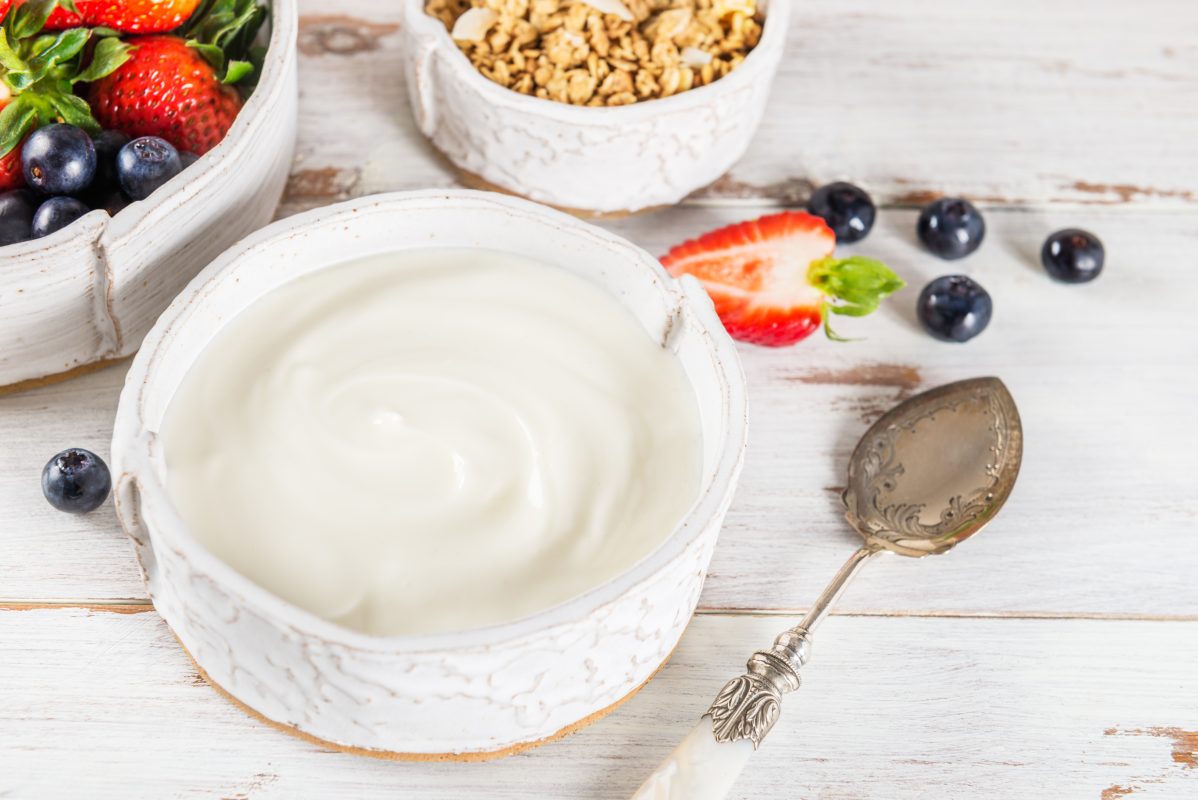
These live microbes help maintain a harmonious gut ecosystem, which is crucial for optimal digestive and immune function. Probiotics are present in foods like yogurt, kefir, fermented vegetables, and supplements.
They help regulate the immune response and protect against harmful pathogens. Probiotics can promote general well-being [5], lower the risk of illness, and improve gut health when taken regularly. They are particularly useful after antibiotic treatments or during times of stress.
Echinacea
Echinacea, available in capsules, teas, and extracts, is commonly used at the onset of illness to shorten and lessen symptoms potentially. It is believed to increase the production of white blood cells, enhancing the body’s ability to fight off infections.
Available in various forms, such as capsules, teas, and tinctures, Echinacea is often taken at the first sign of illness to reduce symptom severity and duration. While its effectiveness can vary, many people find it a helpful addition to their wellness routine.
Boost your immune system with insights from Longevity.Technology Epigenetic & DNA Test
Understanding your immune system’s unique strengths and weaknesses is key to maintaining optimal health.
The Longevity.Technology Epigenetic & DNA Test analyzes specific genetic markers and epigenetic changes, offering a comprehensive view of your immune system’s current state and potential areas for improvement.
- Tailored health insights: The test can reveal how factors like diet, exercise, and environmental exposures impact your immune function
- Lifestyle recommendations: The test provides tailored recommendations, such as dietary adjustments, specific supplements, and targeted exercise routines, all designed to optimize your immune function.
- Proactive health management: Understanding the specific factors that influence your immune system enables you to address potential issues before they become significant problems.
- Tracking and adjustment of strategies: Regular use of the Epigenetic & DNA Test can help you track changes in your immune function over time.
In closing
Maintaining a strong immune system is key to staying healthy and resilient. Minor lifestyle modifications can profoundly impact your health, strengthening your immune system and promoting overall wellness.
Remember, a strong immune system is your best defense against illness. Be proactive with your health, and start strengthening your immune system right now!
Concerned about your immune function? The Longevity.Technology Epigenetic & DNA Test can reveal lifestyle influences on your immune system and provide customized solutions to enhance your immune resilience and overall health.
FAQs
What are the best foods for boosting the immune system?
Fruits like citrus and berries, and vegetables like leafy greens, are excellent for immune support. They are rich in vitamins and antioxidants that help strengthen immune responses.
Can exercise really improve my immune system?
Yes, regular moderate exercise can boost your immune system by improving circulation and promoting overall health. Staying consistent but not overdoing it is important, as excessive exercise can weaken immunity.
How do probiotics support immune health?
Probiotics help maintain a healthy gut microbiome, which is crucial for immune function. They aid in digestion and protect against harmful pathogens.
How can I manage stress to support my immune system?
Practicing mindfulness, meditation, or yoga can help reduce stress levels. Regular physical activity and connecting with loved ones are also effective stress-relief methods.
[1] Harvard Health. How to boost your immune system
[2] MedlinePlus. Exercise and immunity
[3] National Institutes of Health. Resilience and immunity
[4] Harvard University. Nutrition and Immunity
[5] National Institutes of Health. Health Benefits of Probiotics

