
Are you looking to boost your intake of dihydroquercetin naturally? This powerful antioxidant, found in various fruits, vegetables, and herbs, is crucial in reducing inflammation, supporting cardiovascular health, and protecting your body from oxidative stress.
But what exactly is dihydroquercetin, and why should it be a part of your diet? Dihydroquercetin, also known as taxifolin, is a flavonoid with strong antioxidant properties, making it an important compound for overall health and wellness.
While quercetin is widely recognized, dihydroquercetin offers distinct advantages. Notably, it is more readily absorbed and utilized by the body.
What is dihydroquercetin used for?
Dihydroquercetin is a naturally occurring flavonoid found in various plants, particularly in the wood of the Siberian larch tree. This compound is part of a broader class of polyphenols, which are known for their antioxidant properties and potential health benefits.
It is closely related to quercetin, another well-known flavonoid, but it possesses distinct characteristics that interest researchers and health enthusiasts.
One key difference between dihydroquercetin and quercetin is their solubility and bioavailability. Dihydroquercetin is more water-soluble, which allows it to be absorbed more efficiently by the body, potentially enhancing its effectiveness as an antioxidant.
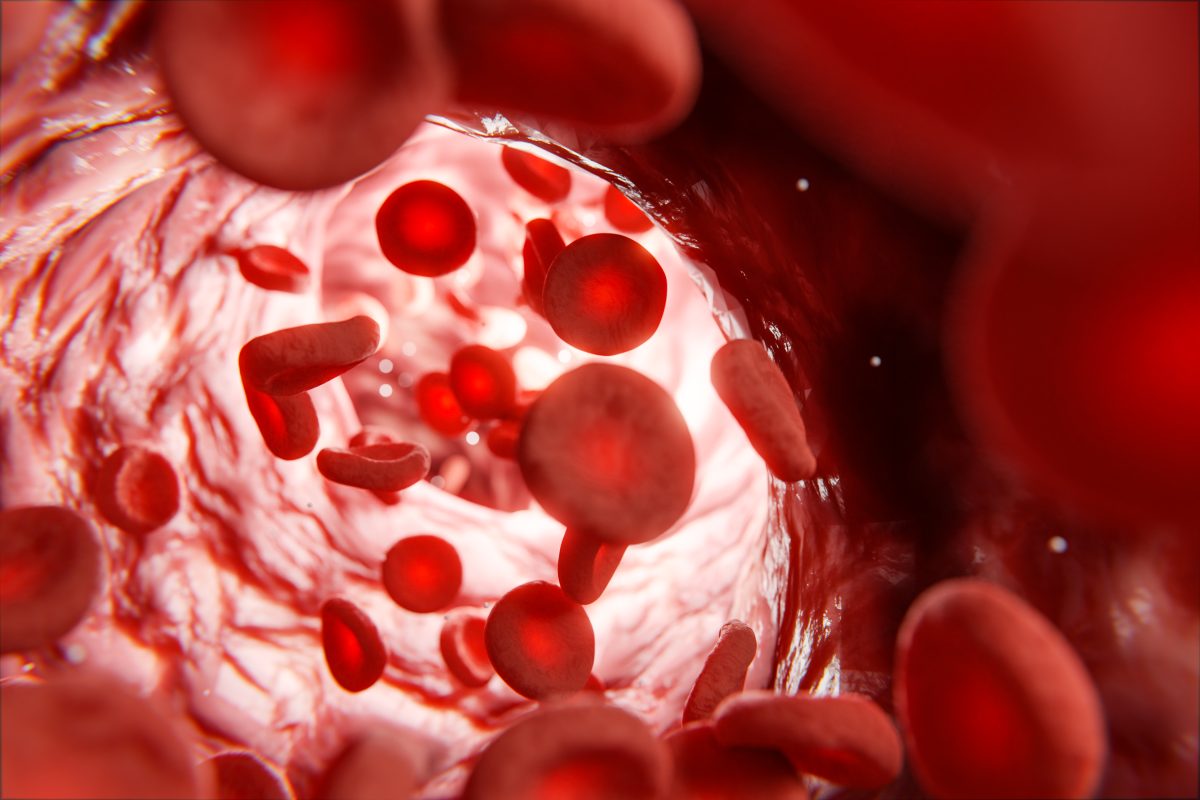
Research has shown that dihydroquercetin can mitigate the destruction of red blood cells caused by free radicals. Additionally, it has been shown to significantly suppress the production of superoxide, a harmful type of reactive oxygen species known to damage cells [1].
What is the source of dihydroquercetin?
Incorporating dihydroquercetin into your diet can be a game-changer for your health, but where can you find this powerful antioxidant? While supplements are available, getting dihydroquercetin from these natural food sources is always a smarter choice:
1. Fruits
Fruits are a natural way to boost your dihydroquercetin intake. Among the various fruits, some stand out for their particularly high levels of this potent antioxidant.
Adding these fruits to your diet not only provides dihydroquercetin but also delivers a wealth of vitamins, fiber, and other beneficial compounds that support overall health.
- Apples: Apples, especially their skins, are a rich source of dihydroquercetin. This flavonoid contributes to the antioxidant power of apples, helping to protect your cells from oxidative stress.
- Grapes: Grapes, particularly the darker varieties like red and black grapes, are another excellent source of dihydroquercetin.
- Berries: Berries such as blueberries, cranberries, and bilberries are small but mighty when it comes to their antioxidant content. These fruits are packed with dihydroquercetin.
By including these fruits in your daily diet, you’re not only satisfying your sweet tooth but also fortifying your body with dihydroquercetin, a key player in your antioxidant defense system. These fruits are easy to find, easy to eat, and a delicious way to stay healthy.
2. Vegetables
Certain vegetables contain higher levels of this flavonoid, offering a natural way to enhance your intake of this powerful antioxidant. Let’s explore some of the top vegetable sources of dihydroquercetin:
- Onions: Onions, especially red and yellow varieties, are rich in dihydroquercetin. This compound contributes to their antioxidant properties, helping to protect cells from oxidative damage.
- Broccoli: Known for its detoxifying properties, this cruciferous plant is beneficial for heart health and contains high levels of dihydroquercetin, a valuable nutrient.
- Kale: Kale, a leafy green superfood, is also rich in dihydroquercetin. It’s known for its dense nutrient profile, which includes vitamins, minerals, and antioxidants like dihydroquercetin.
3. Herbs and spices
Herbs and spices are also potent sources of dihydroquercetin. These natural ingredients, used for centuries in various cuisines, offer a concentrated dose of antioxidants, including dihydroquercetin, which can play a vital role in protecting your health.
Let’s take a look at some of the top herbs and spices that are rich in this beneficial flavonoid:
- Thyme: It’s packed with dihydroquercetin, making it an excellent addition to your diet if you’re looking to increase your intake of antioxidants.
- Milk thistle: It is well-known for its liver-protective properties, but it’s also a good source of dihydroquercetin. This is often consumed in supplement form or as a tea, but you can also find it in certain herbal blends and tinctures designed to support liver health.
- Sage: Sage is another herb rich in dihydroquercetin, with a long history of use in traditional medicine. It’s often used in cooking, particularly in poultry dishes and stuffing, adding not only flavor but also a boost of antioxidants.
- Oregano: Oregano, rich in dihydroquercetin, is a versatile herb that can be added fresh or dried to various meals such as pizza, pasta, and salad.
By using them regularly in your cooking, you can naturally enhance your intake of this powerful antioxidant and support your overall health [2].
4. Other plant-based sources
There are several other plant-based sources that are rich in dihydroquercetin. These foods offer a convenient and natural way to increase your intake of this potent antioxidant, contributing to your overall health and well-being.
- Green tea: Widely enjoyed globally for its potential health advantages, this drink is packed with flavonoids. These antioxidants, including dihydroquercetin, may shield your body from cellular damage caused by free radicals.
- Red wine: Red wine, in particular, is a notable source of dihydroquercetin, thanks to the flavonoids present in grape skins. Moderate red wine consumption has been associated with various health benefits.
- Nuts and seeds: Sunflower seeds and almonds are rich in dihydroquercetin, making them a healthy and convenient snack choice for increasing antioxidant consumption.
- Dark chocolate: Dark chocolate, especially varieties with a high cocoa content, is another plant-based source of dihydroquercetin. Rich in flavonoids, dark chocolate offers both a delicious treat and a boost of antioxidants.
How do you maximize dihydroquercetin absorption?
To fully benefit from the dihydroquercetin found in your diet, it’s essential to consider maximizing its absorption in your body.
Here are some practical tips to enhance the bioavailability of this powerful antioxidant, ensuring you get the most out of the foods you consume:
Pair with healthy fats
Like its flavonoid family members, dihydroquercetin loves to hang out with dietary fats. So, if you want to give this nutrient a boost, load up on avocado, nuts, seeds, or a drizzle of olive oil. Your body will thank you for the extra help absorbing this awesome compound!
Consume with vitamin C-rich foods
Want to supercharge those amazing antioxidants called flavonoids? Well, grab your vitamin C foods!
Citrus fruits, bell peppers, and those juicy strawberries are like the bodyguards for flavonoids like dihydroquercetin. Team them up, and your body will be soaking up all the goodness these powerhouses have to offer.
Imagine sipping on a zesty lemon-infused green tea or sinking your teeth into a decadent strawberry-dark chocolate combo – not only are they delicious, but you’re also giving your health a major upgrade!
Opt for fresh and lightly cooked foods
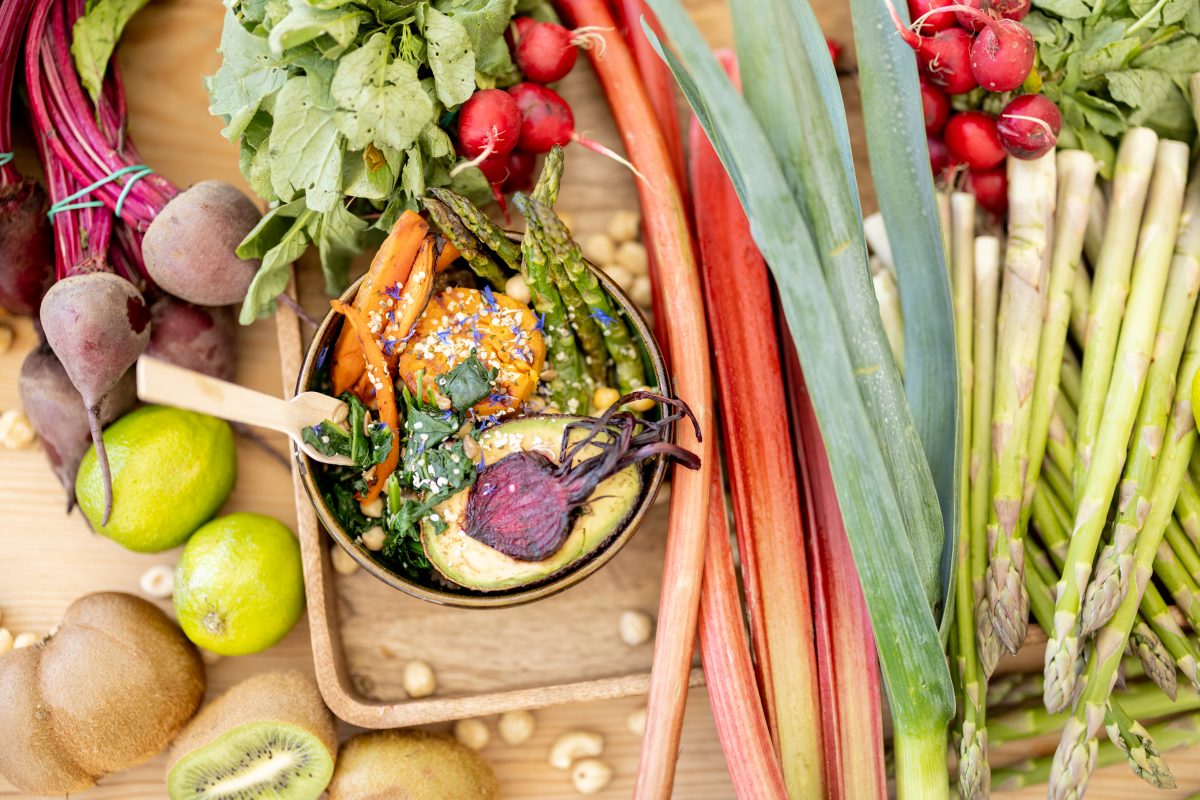
The preparation method of dihydroquercetin-rich foods can affect the availability of antioxidants. Fresh, raw, or lightly cooked vegetables, fruits, and herbs tend to retain more dihydroquercetin than those that are overcooked.
Steaming vegetables or using them in salads can preserve their nutrient content, including dihydroquercetin.
Incorporate fermented foods
Craving a healthier gut? Go into the tangy world of fermented foods like sauerkraut, yogurt, and kefir! These probiotic powerhouses aren’t just tasty; they’re like tiny superheroes for your digestion, helping you soak up essential nutrients like dihydroquercetin.
So, why not team up these fermented friends with dihydroquercetin-rich foods for a nutrient-absorbing dream team?
Avoid excessive alcohol consumption
Sure, a glass or two of red wine can pack a punch when it comes to that good-for-you stuff called dihydroquercetin. But let’s be real, overdoing it on the alcohol can actually mess with your body’s ability to soak up all the nutrients it needs.
So, if you want to reap the rewards of red wine without the drawbacks, keep it in check and ensure you’re loading up on a variety of foods rich in that magical compound.
Final takeaways
Want to give your body a serious upgrade? Load up on dihydroquercetin! This superhero antioxidant is hiding in plain sight – from vibrant fruits and veggies to aromatic herbs and spices. It’s like giving your body a secret weapon against those pesky free radicals. So, go ahead, indulge in nature’s bounty and let the dihydroquercetin work its magic!
Remember, a balanced diet with various nutrient-dense foods is key to supporting your well-being.
Whether you’re sipping on green tea, enjoying a vibrant salad, or adding a sprinkle of herbs to your favorite dishes, making dihydroquercetin a regular part of your diet can contribute to a healthier you.
FAQs
Why is dihydroquercetin important for health?
It helps protect cells from oxidative stress, supports cardiovascular health, and may have anti-inflammatory properties.
Which foods are high in dihydroquercetin?
Fruits like apples and berries, vegetables like onions and broccoli, herbs like thyme and oregano, and other sources like green tea and dark chocolate.
How can I maximize the absorption of dihydroquercetin?
Pair it with healthy fats, consume with vitamin C-rich foods, opt for fresh or lightly cooked foods, and include fermented foods in your diet.
Can I get dihydroquercetin from supplements?
Yes, but it’s best to obtain it from natural food sources for added nutrients and better absorption.
[1] Chemico-Biological Interactions. Comparison of quercetin and dihydroquercetin: Antioxidant-independent actions on erythrocyte and platelet membrane.
[2] Journal of Functional Foods. Spices and herbs: Natural sources of antioxidants – a mini review.

