
Longevity.Technology System users:
To explore the selenium benefit to your immune system and enhance your body’s defenses effectively:
- Download the LT System app on your Android or Apple smartphone.
- Open LT System app and select ‘Health Insights.’
- Under ‘Immunity,’ scroll down and find ‘Selenium Benefit To Your Immune System.’
- Now, scroll down to find your results and recommendations.
Not a user yet?
That’s OK; you can sign up for your Epigenetic & DNA test here.
Are you wondering what selenium does for your immune health and why it’s essential to include in your diet? Understanding the role of selenium in maintaining a robust immune system can help you make informed choices about your nutrition.
Selenium is a powerful antioxidant found in many foods, and it works its magic through special proteins called selenoproteins.
These selenoproteins are key in controlling harmful reactive oxygen species (ROS) and maintaining a healthy balance of antioxidants in almost all body tissues.
Because of these critical functions, selenium can significantly impact inflammation and the immune response. It has been found to enhance immune function and provide protection from specific ailments and infections, especially in the elderly [1].
Does selenium have a specific role in immunity?
Selenium is a crucial nutrient that plays a significant role in various bodily functions, essential for maintaining good health. It is a trace element found naturally in many foods and available as a dietary supplement.
This nutrient supports your immune health by incorporating proteins known as selenoproteins, vital for regulating oxidative stress and maintaining a healthy immune response. Here’s how selenium contributes to a robust immune system:
1. Role in antioxidant defense
Selenium is an integral part of several important proteins called selenoproteins. Reactive oxygen species can damage cells, but selenoproteins, including glutathione peroxidase, offer protection [2].
These harmful molecules are byproducts of normal cellular processes and can cause significant damage if not kept in check.
By neutralizing ROS, selenium helps prevent cell damage and inflammation, crucial for maintaining a healthy immune system.
2. Regulation of immune responses
Selenium influences various aspects of the immune system, including the function of both innate and adaptive immune cells. It helps modulate the production and activity of cytokines, which are signaling molecules that guide the immune response [2].
By regulating cytokine production, selenium ensures the immune system responds appropriately to infections without causing excessive inflammation.
Selenium helps ensure the body can effectively fight off infections and illnesses. Selenoproteins reduce inflammation and boost the overall immune function by regulating the production of cytokines, which are essential for coordinating the immune response [3].
3. Enhancement of antibody production
Research findings suggest that selenium insufficiency can negatively impact antibody generation, a vital immune defense function [2].
Antibodies are proteins B-cells produce that specifically target and neutralize pathogens like viruses and bacteria. Adequate selenium levels support the production of these antibodies, enhancing the body’s ability to fight off infections.
4. Support for T-cell function
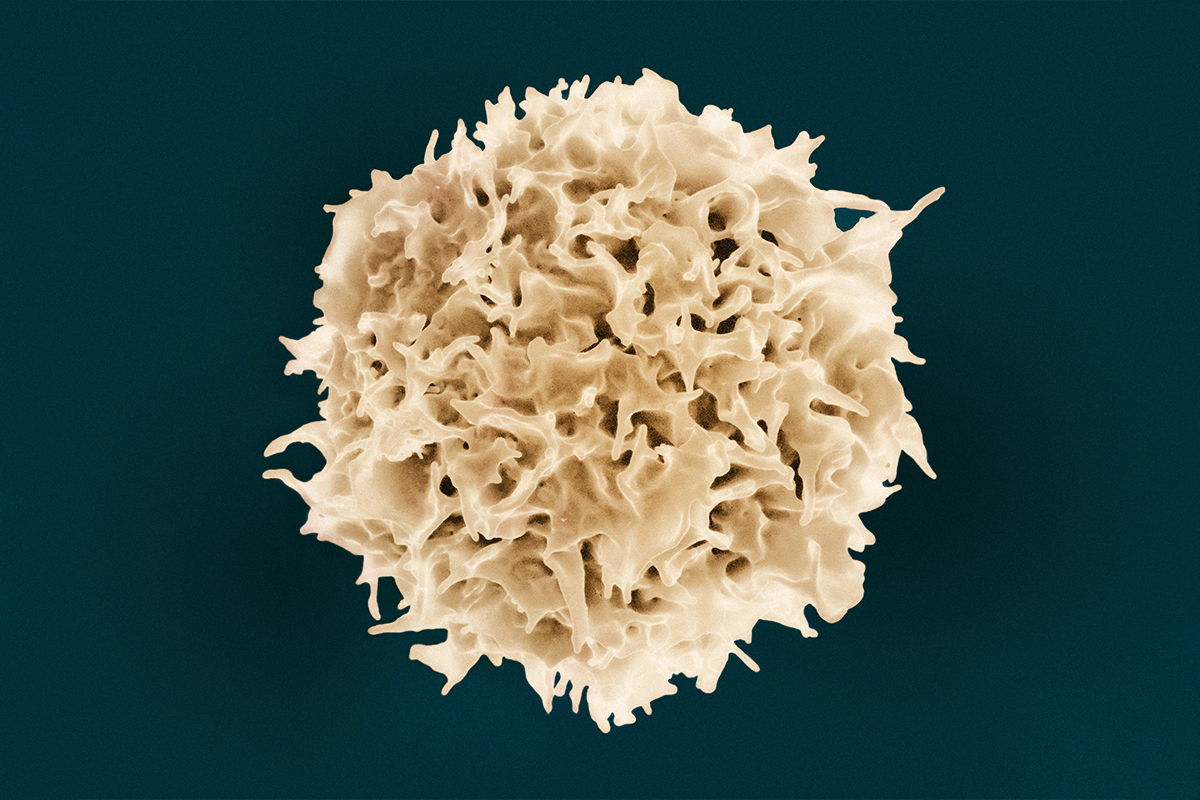
T cells are a crucial component of the immune system. These white blood cells identify and eliminate cells compromised by infection. Selenium is a vital nutrient that supports the optimal function of T cells.
Studies have demonstrated that selenium deficiency can decrease the proliferation of T-cells, compromising the body’s ability to mount an effective immune response [2].
5. Aids in thyroid function
Another critical function of selenium is its involvement in thyroid hormone metabolism. Selenoproteins aid in the conversion of the inactive thyroid hormone (T4) into its active form (T3), which is crucial for regulating metabolism and overall energy levels [3].
Proper selenium levels ensure the thyroid gland functions optimally, supporting growth, development, and metabolic processes
6. Defense against viral infections
Selenium has been shown in multiple studies to offer a defense against viral infections. For instance, research involving aging populations and specific pathogens has shown that selenium supplementation can enhance the immune response and provide protection against certain viruses [2].
This protective effect is partly due to selenium’s role in maintaining a balanced redox status and reducing oxidative stress, which can otherwise weaken the immune system.
7. Protection against chronic diseases
According to research, sufficient selenium consumption could potentially lower the likelihood of developing specific chronic illnesses, such as cardiovascular disease [3].
The antioxidant capabilities of selenium contribute to cellular defense against oxidative stress, a factor linked to the onset of chronic diseases. Selenium’s role in immune function also supports its protective effects against chronic diseases.
Selenium deficiency: Signs and risks
A lack of selenium in the diet can negatively impact overall health. This essential nutrient is crucial in several bodily functions, including shielding cells from damage, bolstering the immune system, and regulating thyroid function.
Here are the signs and risks associated with selenium deficiency:
- Weakened immune system: A lack of selenium can weaken the body’s defenses against diseases. People with low selenium levels may experience more frequent infections, slower illness recovery, and weakened immune function.
- Increased oxidative stress: Without sufficient selenium, the body’s ability to neutralize these harmful molecules is compromised, leading to increased oxidative stress. This can contribute to the development of chronic diseases such as heart disease.
- Thyroid dysfunction: Selenium deficiency can disrupt this process, potentially leading to thyroid conditions such as hypothyroidism, characterized by weight gain, fatigue, and muscle weakness.
- Keshan disease: It is a type of cardiomyopathy (heart muscle disease) that occurs in selenium-deficient regions, particularly in parts of China [3]. This condition can cause heart enlargement and heart failure.
- Kashin-Beck disease: This is another condition linked to selenium deficiency, prevalent in certain areas with low selenium levels in the soil. Kashin-Beck disease affects the bones and joints, leading to stiffness, pain, and risk of osteoarthritis [3].
- Cognitive decline: Emerging research suggests that selenium deficiency may be linked to cognitive decline and neurological diseases such as Alzheimer’s disease [3].
- Muscle weakness and fatigue: Low selenium levels can affect muscle metabolism, leading to muscle weakness and fatigue. This is particularly evident in conditions such as white muscle disease in livestock, which can also occur in humans with severe selenium deficiency [3].
A recent study has highlighted the significant role of selenium in the immune response to COVID-19. This research found a strong association between selenium deficiency and increased mortality risk among COVID-19 patients [4].
Researchers analyzed blood samples from 33 COVID-19 patients to measure their selenium levels. They focused on two key biomarkers: total serum selenium and selenoprotein P (SELENOP), a protein that transports selenium in the body. These were compared to reference values from a healthy European population.
Here’s a breakdown of the findings and what they mean for your health:
Selenium and immune function
Selenium is crucial for the immune system because it helps produce selenoproteins that protect cells from damage and regulate immune responses. Inadequate selenium intake can weaken the body’s defense against infections, including the virus that causes COVID-19, making recovery more difficult [4].
Selenium and mortality
The research revealed significantly lower selenium levels in patients who succumbed to COVID-19 compared to those who recovered. This finding suggests a potential link between selenium deficiency and the severity of COVID-19 infections.
This also emphasizes the crucial role of nutrition in combating infectious diseases such as COVID-19, potentially saving lives [4]. Adequate selenium intake could enhance your body’s defenses and mitigate the potential impact of viral illness.
Maintaining optimal selenium levels can contribute to overall well-being and bolster your immune defenses.
Make selenium safeguard your immunity with guidance from Longevity.Technology Epigenetic & DNA Test
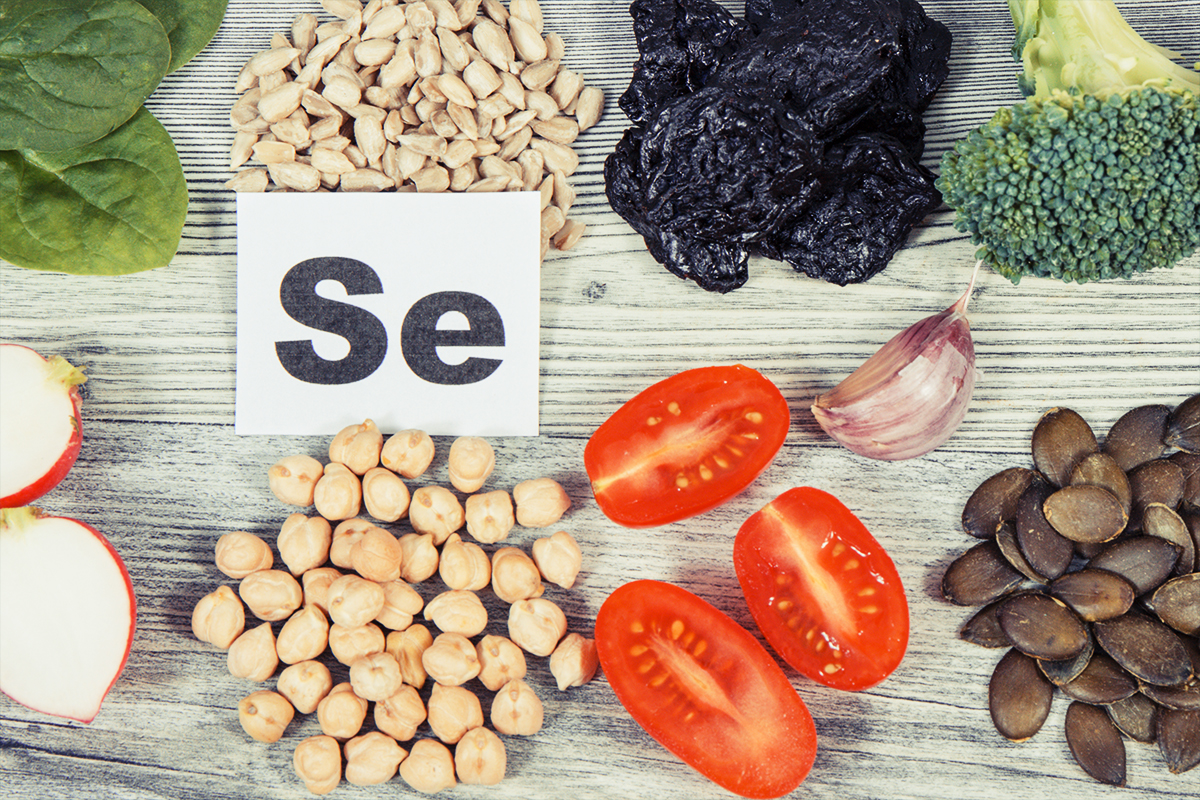
Ensuring your body gets the right nutrients to maintain a robust immune system is more important than ever. One key nutrient that stands out for its immune-boosting properties is selenium.
But how can you be sure you’re getting enough of this essential mineral? The Longevity.Technology Epigenetic & DNA Test offers a comprehensive analysis of your genetic makeup, providing detailed information about your specific nutrient needs, including selenium.
- Personalized genetic insights: The test analyzes your DNA to identify genetic variations that affect how your body processes and utilizes selenium.
- Tailored nutritional recommendations: Based on your genetic profile, you’ll receive tailored advice on adjusting your diet to meet your selenium needs.
- Actionable health strategies: The test offers practical strategies to help you incorporate these nutritional insights into your daily life.
Knowing your specific genetic makeup can help you choose the best diet and lifestyle choices to strengthen your immune system.
Final takeaways
Selenium is a vital nutrient with a significant impact on human health. It is crucial in bolstering the immune system, shielding cells from harm, and regulating essential bodily processes.
Understanding the importance of selenium is essential for optimal well-being. By taking proactive steps to ensure you get enough selenium, you can support a robust immune system and protect yourself from various health challenges.
Striving for better immune health? The Longevity.Technology Epigenetic & DNA Test can pinpoint lifestyle and genetic influences on your selenium levels, delivering personalized plans to improve and maintain your immune system.
FAQs
How does selenium help the immune system?
Selenium is a trace mineral essential for producing proteins that protect cells from damage and regulate immune responses, helping to enhance your body’s ability to fight off infections.
Why do we need selenium in our diet?
Selenium is vital for producing selenoproteins, which protect cells from oxidative damage, support immune function, and regulate thyroid hormone metabolism.
How do you overcome selenium deficiency?
Overcoming selenium deficiency involves incorporating selenium-rich foods into your diet or taking supplements as a healthcare provider recommends.
How do I know if I’m getting enough selenium?
You can determine your selenium levels through blood tests or genetic testing like the Longevity.Technology Epigenetic & DNA Test to understand your needs and ensure adequate intake.
[1] Molecular Nutrition & Food Research. The influence of selenium on immune responses
[2] Proceedings of the Nutrition Society. Selenium and the Immune Response
[3] Public Health Nutrition. Selenium, selenoproteins and human health: a review
[4] Nutrients. Selenium Deficiency Is Associated with Mortality Risk from COVID-19

