
Imagine discovering a natural compound that promises to boost your health and longevity, but there’s a catch—it comes in two forms: quercetin and dihydroquercetin. Which one should you choose, and are they really that different?
These two flavonoids have been gaining attention for their potential health benefits, but understanding how they compare is essential for making an informed decision.
Quercetin, often found in apples, onions, and berries, is known for its antioxidant and anti-inflammatory properties. It’s a popular choice for those looking to enhance their immune function, reduce inflammation, and even support heart health.
However, a lesser-known but equally promising counterpart, dihydroquercetin (also known as taxifolin), is making waves in the health world.
Derived from sources like Siberian larch and Douglas fir, dihydroquercetin offers unique properties that set it apart from regular quercetin.
What does quercetin do for your body?
Quercetin is a natural compound found in many of the foods we eat every day, like apples, onions, and berries. It belongs to a group of plant-based substances called flavonoids, which are celebrated for their powerful antioxidant effects.
Reduces inflammation
Diabetes and heart disease are only two of the major health issues that chronic inflammation silently contributes to.
Quercetin acts as a natural anti-inflammatory, helping to calm the body’s immune response. It inhibits the production of inflammatory molecules like cytokines, which can otherwise cause damage over time [1].
Adding quercetin to your diet, through foods like apples and onions or as a supplement, can help reduce inflammation, potentially lowering your risk of chronic diseases and improving overall health. Its natural ability to soothe inflammation makes quercetin a valuable ally in maintaining a healthy, balanced body.
Boosts immune function
Quercetin is a powerful ally for your immune system. By harmonizing immune cell activity and lowering histamine release—which triggers allergic reactions—it aids in the regulation of immunological responses [2].
Maintaining this equilibrium helps lessen the severity of colds and the flu and strengthen your body’s defenses against infections.
Additionally, quercetin’s antioxidant properties protect immune cells from damage, ensuring they function optimally.
Incorporating quercetin-rich foods like berries and leafy greens, or taking a supplement, can give your immune system the support it needs to keep you healthy year-round.
Supports heart health
One important factor supporting heart health is quercetin. By promoting better circulation and relaxing blood vessels, it lowers blood pressure.
Additionally, quercetin can reduce LDL cholesterol levels, which is crucial in preventing plaque buildup in arteries. This flavonoid also combats oxidative stress, a key factor in heart disease, by neutralizing free radicals that can damage blood vessels.
Whether through diet or supplementation, adding quercetin to your routine can contribute to a healthier heart, potentially lowering the risk of cardiovascular issues and promoting overall cardiovascular wellness.

What is dihydroquercetin used for?
Dihydroquercetin is notable for its strong antioxidant characteristics and improved bioavailability, allowing the body to absorb and use it more effectively than quercetin.
Enhanced absorption
Dihydroquercetin offers a significant advantage over quercetin when it comes to absorption. Because of its distinct molecular makeup, it is more readily and rapidly absorbed by the body, increasing its efficacy in providing health advantages.
This enhanced bioavailability means that even smaller amounts of dihydroquercetin can have a greater impact, providing more potent antioxidant protection and more efficient support for your cardiovascular and immune systems.
For those looking to get the most out of their supplements, dihydroquercetin’s superior absorption makes it a powerful choice.
Stronger antioxidant
Dihydroquercetin is a potent antioxidant, offering even stronger protection against oxidative stress than quercetin. It has a greater capacity to neutralize free radicals, which helps to stop cellular damage that can cause aging and chronic illnesses.
The increased potency makes dihydroquercetin particularly effective in shielding your body from environmental toxins and reducing inflammation.
Whether you’re focused on anti-aging, cardiovascular health, or overall wellness, dihydroquercetin’s superior antioxidant properties provide a robust defense, making it a valuable addition to your health regimen. It works harder to keep your cells healthy and functioning at their best.
Cardiovascular support
Dihydroquercetin offers substantial cardiovascular support, making it a key player in heart health. By increasing circulation and blood vessel flexibility, it lowers blood pressure.
It also lessens the oxidation of low-density lipoprotein (LDL), which leads to plaque accumulation in arterial walls.
This dual action—improving blood flow and protecting against cholesterol-related damage—supports a healthier heart and reduces the risk of cardiovascular diseases.
Immune system boost
Dihydroquercetin is a powerful ally for your immune system. It enhances your body’s natural defenses by reducing inflammation and supporting the activity of immune cells.
This flavonoid helps regulate immune responses, ensuring your body reacts appropriately to threats without overreacting, which can lead to chronic inflammation. Its antioxidant properties also protect immune cells from damage, keeping them functioning optimally.
Adding dihydroquercetin to your routine can help strengthen your immune system, making you more resilient against infections and illnesses [3]. It’s a natural way to keep your immune system in top shape, especially during challenging seasons.
What is the difference between quercetin and dihydroquercetin?
Choosing between quercetin and dihydroquercetin can seem like a tough decision, especially when both offer significant health benefits. The secret is to know what each component has to offer and how it fits into your unique health objectives.
Chemical structure and bioavailability
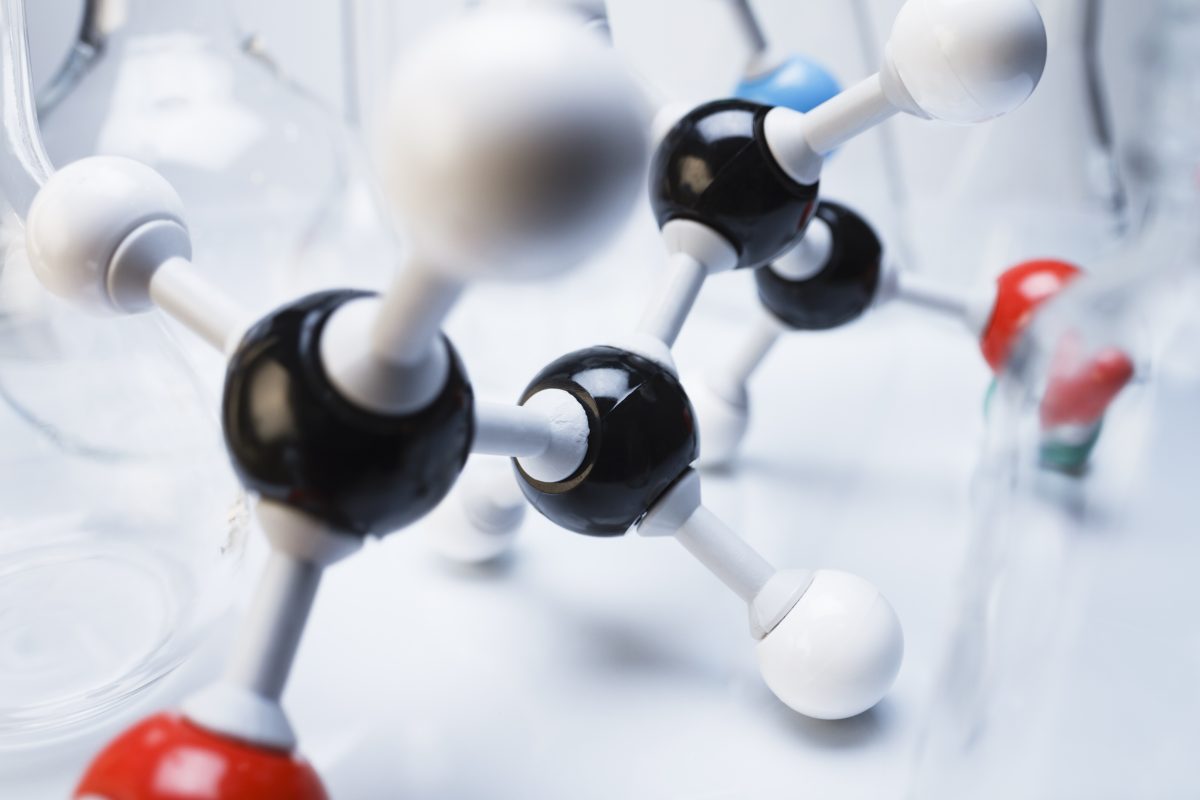
The chemical structure of quercetin and dihydroquercetin significantly impacts how well your body can absorb and utilize these flavonoids. Understanding these differences helps explain why one might be more effective than the other.
| Quercetin | Dihydroquercetin |
|---|---|
| Has a rigid molecular structure that is less soluble in water. | Features a slightly altered molecular structure compared to quercetin. |
| Lower solubility leads to reduced bioavailability [4]. | This change enhances its solubility and absorption in the body. |
| Your body may absorb less quercetin, limiting its overall effectiveness. | Higher bioavailability means your body can use dihydroquercetin more efficiently, making it a more potent option for health benefits. |
These structural differences explain why dihydroquercetin often provides a stronger impact, particularly when considering supplements for targeted health support.
Antioxidant power
Antioxidant power is a key feature of both quercetin and dihydroquercetin, but their effectiveness varies due to differences in their molecular structure.
| Quercetin | Dihydroquercetin |
|---|---|
| Well known for its capacity to scavenge free radicals. | Offers even stronger antioxidant protection due to its enhanced bioavailability. |
| Aids in shielding cells against oxidative stress, which can cause aging and chronic illnesses. | With a stronger defense against cellular damage due to its chemical structure, it may neutralize free radicals more successfully. |
| Widely used to support overall health and is particularly beneficial in reducing inflammation. | An excellent choice for those looking to maximize their body’s defenses against oxidative stress and its associated health risks. |
In essence, while both flavonoids are powerful antioxidants, dihydroquercetin’s superior efficacy makes it a more potent option for combating oxidative damage.
Health benefits
Quercetin and dihydroquercetin offer a range of impressive health benefits, each with its strengths.
| Quercetin | Dihydroquercetin |
|---|---|
| Known for its broad health applications, quercetin is particularly effective in reducing inflammation and supporting the immune system. | Provides enhanced benefits, particularly for cardiovascular health. It helps improve circulation, reduces LDL cholesterol oxidation, and supports blood vessel elasticity. |
| Helps manage allergy symptoms and promote heart health by improving blood vessel function and reducing blood pressure. | Offers more potent protection against oxidative stress, making it ideal for those focused on anti-aging and chronic disease prevention. |
Both flavonoids contribute significantly to overall wellness, but dihydroquercetin’s enhanced efficacy makes it especially valuable for those seeking targeted support for heart health and antioxidant protection.
In closing
Choosing between quercetin and dihydroquercetin ultimately comes down to your specific health goals and how you prefer to achieve them. Both flavonoids offer significant benefits, but each has its unique strengths.
Whatever your choice, the most important thing is to take action. Consider adding more quercetin-rich foods to your diet if you’re looking for a natural way to boost your intake. If you feel that you need more targeted support, explore high-quality supplements to get the benefits of dihydroquercetin.
Making informed choices about your health doesn’t have to be complicated. Whether you opt for quercetin, dihydroquercetin, or a combination of both, taking steps to incorporate these powerful flavonoids into your routine can support your journey toward better health and well-being.
FAQs
How do quercetin and dihydroquercetin differ?
The main difference lies in their bioavailability; dihydroquercetin is absorbed more efficiently. This makes dihydroquercetin more potent in delivering health benefits.
Can I get enough quercetin from my diet?
Yes, quercetin is abundant in foods like apples, onions, and berries. Eating a varied diet rich in these foods can provide sufficient quercetin.
Is dihydroquercetin found in food?
Dihydroquercetin is not commonly found in everyday foods. It’s primarily sourced from Siberian larch and is often taken as a supplement.
Which supplement should I choose for immune support?
Quercetin is a great choice for boosting immune function, especially during cold and flu season. Dihydroquercetin also supports the immune system and offers stronger antioxidant benefits.
[1] Nutrients. Quercetin, Inflammation and Immunity
[2] Molecules. Quercetin and Its Anti-Allergic Immune Response
[3] Harvard Health Publishing. How to boost your immune system
[4] Trends in Food Science & Technology. Recent advances on the improvement of quercetin bioavailability

