
Longevity.Technology System users:
To explore how the right type of injury rehab can accelerate recovery and ensure long-term wellness:
- Download the LT System app on your Android or Apple smartphone.
- Open the LT System app and select ‘Health Insights.’
- Under ‘Injury Risk,’ scroll down and find ‘Type of Injury Rehab.’
- Now, scroll down to find your results and recommendations.
Not a user yet?
That’s OK; you can sign up for your Epigenetic & DNA test here.
Have you ever wondered how different types of injury rehabilitation can speed up your recovery and get you back on track?
Rehabilitation is essential for recovering from injuries. It helps people regain their normal physical abilities. Whether you’ve sustained an injury from sports, surgery, or chronic pain, a tailored rehabilitation program can significantly aid your recovery process.
What are the goals of injury rehabilitation?
Effective rehabilitation requires a personalized plan that adapts to the specific circumstances of each person.
Structured interventions, such as goal-setting, can significantly enhance the effectiveness of these rehabilitation strategies. Goal-setting has been shown to improve adherence, self-efficacy, and overall treatment outcomes [1].
The primary objectives of injury rehabilitation are to restore function, prevent further injury, and enhance overall physical well-being. Here’s a closer look at the key aims:
- Restore mobility and functionality: This includes improving mobility, strength, and flexibility through targeted exercises and therapies. Restoring functionality is essential for returning to daily activities and, in the case of athletes, to their sport.
- Prevent re-injury: Rehabilitation also focuses on preventing re-injury by addressing issues such as poor posture, muscle imbalances, or inadequate movement patterns.
- Reduce pain and inflammation: Managing pain and inflammation is a critical component of the rehabilitation process. Therapies such as physical therapy, massage, and appropriate use of modalities like ice or heat can help reduce discomfort and promote healing.
- Enhance psychological well-being: Effective rehabilitation aims to support the psychological recovery of the patient, helping them regain confidence and motivation [1].
- Rebuild strength and endurance: This is particularly important in ensuring that the injured area can withstand the demands placed on it in daily life or sports activities.
- Improve overall physical condition: A comprehensive rehabilitation program may include cardiovascular training, flexibility exercises, and other activities that enhance overall fitness, reducing the risk of future injuries.
- Facilitate a safe return to activity: The rehabilitation process is carefully structured to ensure that the patient is fully prepared to resume their normal activities without risking further injury.
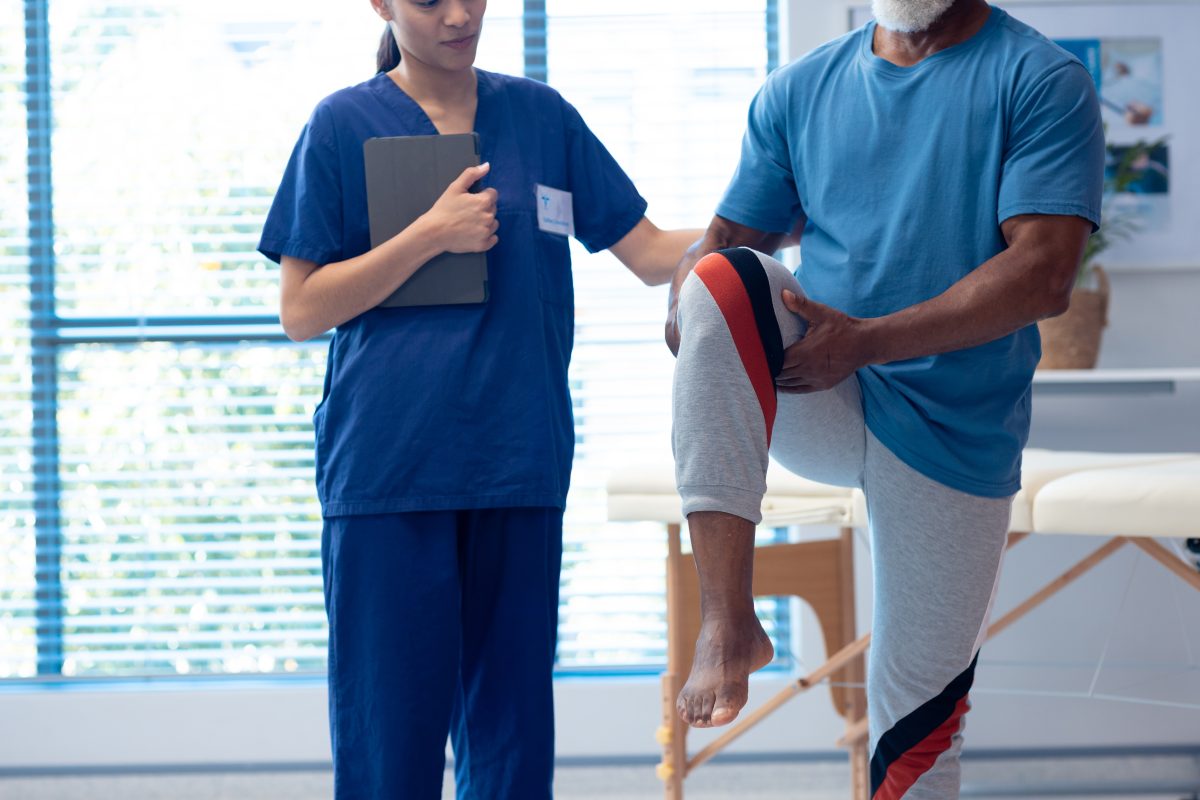
Different types of injury rehabilitation
From traditional methods to alternative approaches, understanding the different types of injury rehabilitation can help you choose the best path for your recovery:
1. Physical therapy
Physical therapy focuses on restoring movement, improving function, and alleviating pain. It is widely used for various injuries, from minor sprains to post-surgical recovery. Here’s how:
- Customized treatment plans: Physical therapists create individualized treatment plans based on the specific injury and patient needs.
- Movement restoration: Physical therapy’s primary focus is restoring movement and functionality to the injured area. Techniques like manual therapy, stretching, and strengthening exercises are employed to regain mobility.
- Pain management: Physical therapists use modalities such as heat, ice, ultrasound, and electrical stimulation to reduce pain and inflammation.
- Reintegration into daily activities: Physical therapy helps patients gradually return to their normal activities, ensuring that they do so safely and with minimized risk of re-injury [2].
2. Occupational therapy
Occupational therapists work to help individuals regain independence and improve their quality of life by focusing on practical and meaningful activities. Here’s how occupational therapy contributes to rehabilitation:
- Activity-based rehabilitation: Occupational therapy focuses on helping individuals regain the skills needed for daily living, such as dressing, cooking, and personal hygiene, through real-life scenarios to practice and improve these skills.
- Customized adaptive strategies: Therapists assess the patient’s environment and provide personalized recommendations, including adaptive equipment and modifications to the home or workplace, to make daily tasks easier and safer.
- Cognitive and motor skill development: OT addresses both cognitive and motor challenges that may result from injury. This includes improving memory, problem-solving skills, hand-eye coordination, and fine motor skills.
3. Speech and language therapy
Speech and language therapy is important for injury rehabilitation, particularly for individuals who have experienced injuries affecting their communication abilities or swallowing functions. Here’s how:
- Swallowing rehabilitation (Dysphagia therapy): For patients with swallowing difficulties due to injury or neurological conditions, therapists provide exercises and strategies to improve swallowing safety and efficiency, reducing the risk of choking or aspiration [3].
- Cognitive-communication therapy: This involves helping patients who have cognitive impairments affecting communication, such as difficulties with attention, memory, or problem-solving.
- Augmentative and Alternative Communication (AAC): For individuals with severe communication challenges, therapists may introduce and train the use of AAC devices, including anything from simple picture boards to sophisticated electronic communication devices.
4. Chiropractic care
Chiropractic care is a widely used and effective treatment for injuries affecting the musculoskeletal system, such as back, neck, and joint pain. Chiropractors specialize in identifying, treating, and preventing spinal, muscle, and nerve conditions. Let’s explore this further:
- Spinal adjustments and manipulations: Chiropractors use hands-on spinal adjustments to correct misalignments in the spine. These adjustments can reduce pain, improve mobility, and promote the body’s natural healing processes.
- Improved joint function: In addition to spinal adjustments, chiropractors also improve joint function throughout the body. Techniques such as joint mobilization and soft tissue therapy enhance the range of motion and reduce stiffness.
- Posture correction: Poor posture can contribute to musculoskeletal pain and injuries. Chiropractors assess and correct postural issues, providing exercises and advice to maintain proper alignment and prevent further injury.
5. Massage therapy
Massage therapy is a commonly used approach in injury recovery. It’s recognized for accelerating healing, alleviating pain, and enhancing overall well-being. This therapeutic technique involves manipulating soft tissues, such as muscles, tendons, and ligaments, to support the body’s natural healing processes.
- Enhanced flexibility and range of motion: Regular massage can help maintain or improve flexibility and range of motion in joints and muscles. This particularly benefits patients recovering from injuries that may cause stiffness or restricted movement.
- Reduction of muscle tension and spasms: Massage therapy effectively reduces muscle tension and spasms, which are common after an injury. Techniques like myofascial release and neuromuscular massage target specific areas to relieve tightness and discomfort.
- Scar tissue management: For injuries involving surgery or significant soft tissue damage, massage therapy can help break down scar tissue, improve flexibility, and reduce the risk of adhesions that can limit movement.
6. Aquatic therapy
Aquatic therapy, or hydrotherapy, is a specialized form of injury rehabilitation in a water environment. Water’s buoyancy, resistance, and soothing properties make it an ideal medium for rehabilitation, especially for individuals with limited mobility or those recovering from surgery.
- Buoyancy-assisted movement: Water’s natural buoyancy reduces the impact on joints and muscles, making it easier for patients to move without the stress that gravity places on the body.
- Improved balance and coordination: Aquatic therapy is an effective way to work on balance and coordination. The supportive environment of water allows patients to practice movements and exercises that improve stability without the risk of falling.
- Complementary to other therapies: Aquatic therapy often complements land-based physical therapy, providing a well-rounded approach to rehabilitation. The transition from water to land exercises can be smooth, helping patients progress in their recovery.
7. Strength and conditioning programs
Individualized strength and conditioning plans are designed to optimize patient recovery while minimizing risks. This approach involves:
- Rebuilding muscle strength: After an injury, muscles often weaken due to disuse. Strength training exercises help rebuild muscle strength, providing better support for injured areas.
- Injury prevention: Strength and conditioning programs focus on correcting muscle imbalances and improving joint stability, which are key factors in preventing re-injury.
- Customized exercise plans: Programs are tailored to the patient’s specific injury, fitness level, and goals. This personalized approach ensures that exercises are appropriate for the stage of recovery and that they address the unique challenges faced by the individual.
8. Alternative therapies
Alternative therapies are increasingly being integrated into injury rehabilitation programs as complementary treatments that can enhance recovery and overall well-being. Here are some:
- Acupuncture: Involves inserting thin needles into specific points on the body to stimulate healing and pain relief. It is commonly used to reduce chronic pain, alleviate muscle tension, and improve circulation.
- Yoga and Pilates: These practices help enhance core stability, increase range of motion, and promote mindful movement.
- Aromatherapy: Essential oils are used to promote relaxation and reduce stress, which can be beneficial during the recovery process.
- Homeopathy: Homeopathic treatments involve using highly diluted substances to stimulate the body’s self-healing abilities.
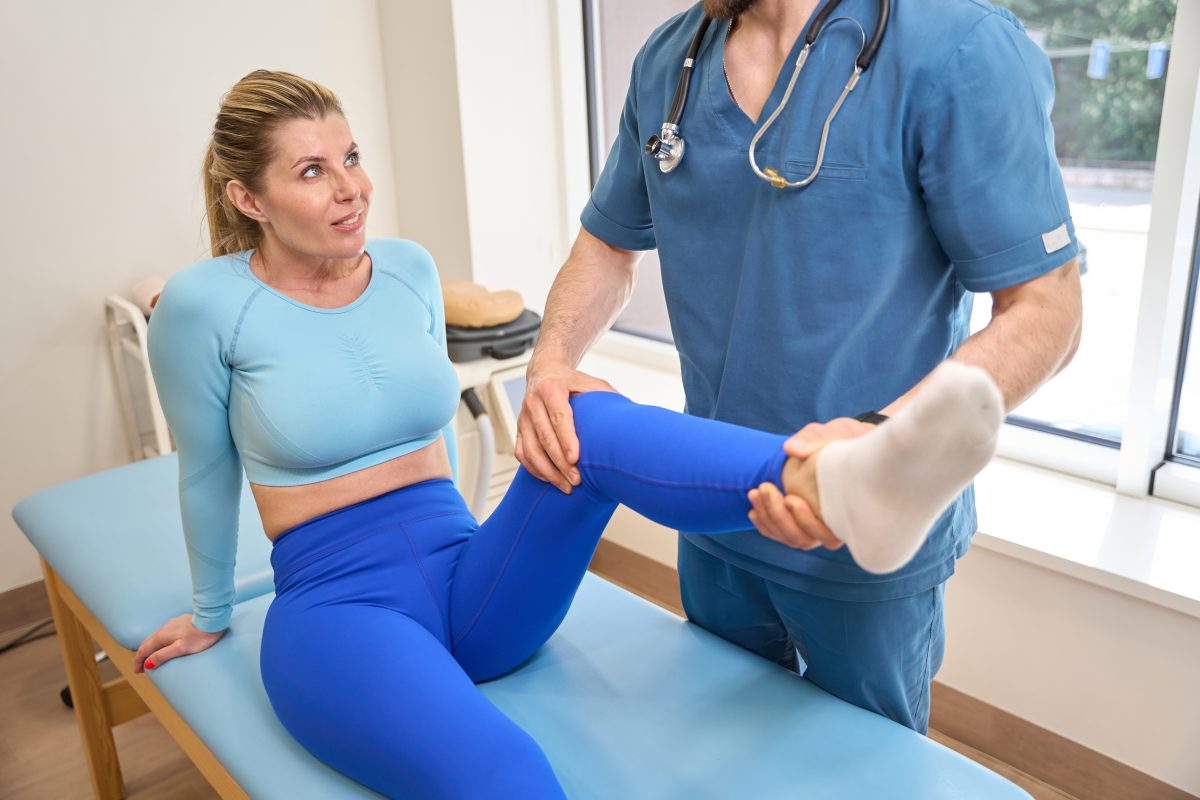
Understand injury rehabilitation better with Longevity.Technology Epigenetic & DNA Test
Injury rehabilitation isn’t just about addressing the symptoms—it’s about understanding your body deeper to create a truly personalized recovery plan.
The Longevity.Technology Epigenetic & DNA Test offers you insights into how your unique genetic makeup affects your injury response, healing process, and overall resilience.
By analyzing your DNA and epigenetic markers, this test provides tailored recommendations that can optimize your rehabilitation efforts, ensuring you recover faster and more effectively.
With personalized guidance from the test, you can make informed decisions about the best rehabilitation strategies for your body, reducing the risk of re-injury and supporting long-term wellness.
In closing
Injury rehabilitation is a multifaceted process that requires a comprehensive approach to restore function, alleviate pain, and prevent future injuries. Each therapy has its own strengths, and when used together, they create a synergistic effect that enhances recovery outcomes.
Ultimately, successful rehabilitation is about more than just physical recovery; it’s about restoring your overall well-being and empowering you to return to the activities you love with confidence and vitality.
Looking for the best type of injury rehab? The Longevity.Technology Epigenetic & DNA Test offers tailored insights to optimize your recovery and overall health.
FAQs
What is the primary goal of injury rehabilitation?
The primary goal is to restore function, alleviate pain, and prevent future injuries.
How does physical therapy help in rehabilitation?
Physical therapy improves movement, strength, and flexibility through customized exercises and pain management techniques.
Can rehabilitation be tailored to individual needs?
Yes, rehabilitation plans are customized based on the specific injury, patient needs, and recovery goals.
How can alternative therapies complement rehabilitation?
Alternative therapies like acupuncture, yoga, and herbal medicine can reduce pain, improve flexibility, and support the body’s natural healing processes.
[1] Research Quarterly for Exercise and Sport. Injury Rehabilitation: A Goal-Setting Intervention Study.
[2] Physical Therapy. Expert Practice in Physical Therapy.
[3] Neurology. Dysphagia therapy following stroke.

