
Are you struggling to find the best vitamins for effective weight loss that can support your diet and exercise plan?
While exercise and a balanced diet are important, vitamins play an often overlooked yet vital role in helping you shed those extra pounds.
These essential nutrients can boost your metabolism, enhance energy levels, and support overall health, making your weight loss journey more efficient and sustainable.
What are the best vitamins for losing weight?
Not all vitamins are created equal when it comes to losing weight. Some are more effective than others at boosting metabolism, curbing cravings, and supporting fat loss.
But with so many options available, which vitamin is best for weight loss? Let’s discuss key vitamins that have been shown to play a significant role in helping you shed pounds so you can make an informed choice and maximize your weight loss efforts:
1. Vitamin D
Vitamin D, often referred to as the “sunshine vitamin,” is essential for various bodily functions, including weight management. Here’s why Vitamin D plays a crucial role in weight loss:
- Supports weight loss: Research indicates that Vitamin D supplementation can enhance the beneficial effects of weight loss, particularly in reducing cardiovascular disease risk markers [1].
- Regulates fat storage: Vitamin D is involved in the regulation of fat storage and metabolism, which can aid in more effective weight management [1].
- Bone health during weight loss: Vitamin D may also help protect against bone loss during weight loss, particularly in individuals undergoing bariatric surgery [2].
For obese individuals, higher doses of Vitamin D, ranging from 1600 to 4000 IU per day, are recommended to achieve optimal levels in the body, which may support weight loss efforts [2].
Ensuring adequate Vitamin D levels can be a key component in a successful weight loss strategy, particularly for those who are overweight or obese.
2. Vitamin B12
Vitamin B12 is an energy vitamin that plays a pivotal role in weight management by supporting metabolic functions and energy production. Here’s how Vitamin B12 can assist with weight loss:
- Boosts metabolism: Vitamin B12 is crucial for the proper functioning of your metabolism. It helps convert food into glucose, giving you energy and keeping your metabolism running efficiently.
- Supports fat loss Loss: Studies have shown that low levels of Vitamin B12 are associated with obesity and overweight, suggesting that adequate levels of this vitamin can support fat loss efforts [3].
- Improves energy levels: By aiding in the production of red blood cells and maintaining proper nerve function, Vitamin B12 ensures you have the energy needed for regular physical activity, which is vital for effective weight loss.
- Correlated with BMI: Vitamin B12 levels and body mass index (BMI) have a significant negative correlation, indicating that higher B12 levels might be beneficial for maintaining a healthy weight [3].
Ensuring sufficient Vitamin B12 intake can be a key factor in boosting energy levels and supporting your weight loss journey, particularly if you struggle with low energy or metabolic inefficiencies.
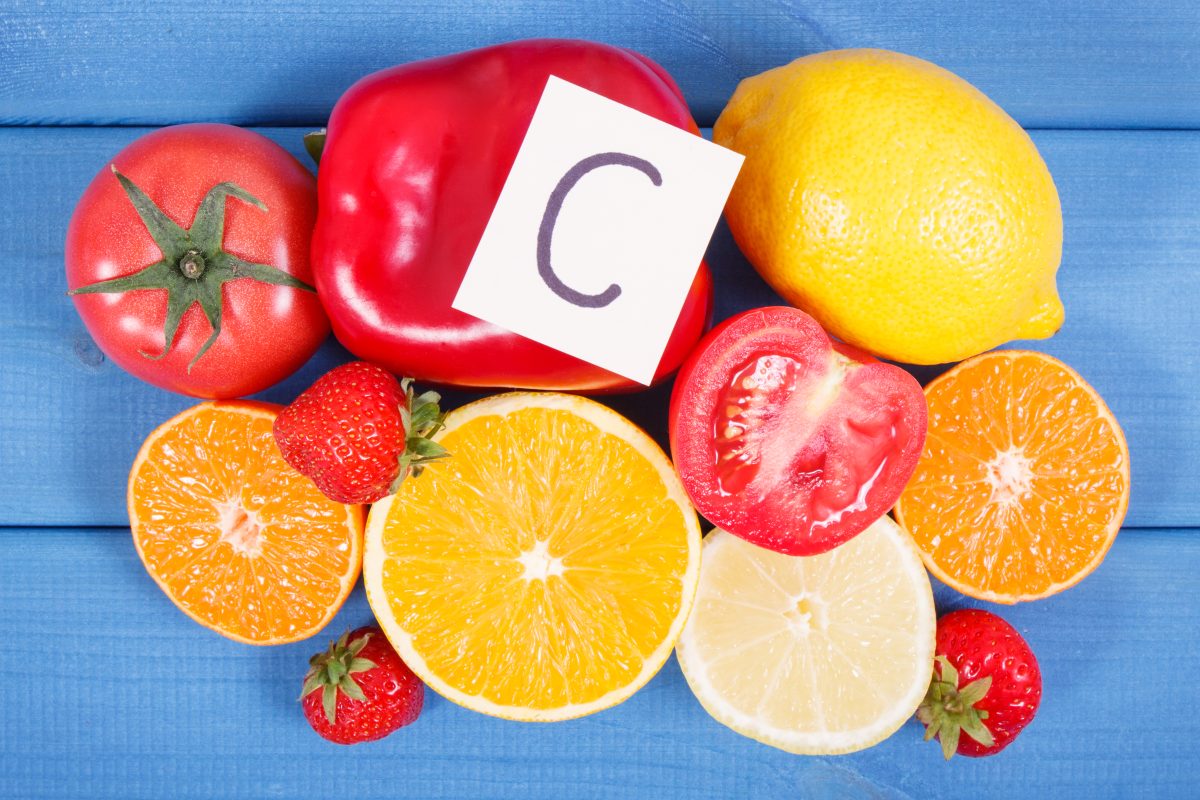
3. Vitamin C
Vitamin C, known for its immune-boosting properties, also plays a significant role in supporting weight loss. Here’s how Vitamin C can assist in your weight management journey:
- Enhances fat oxidation: Adequate levels of Vitamin C are linked to enhanced fat oxidation, particularly during exercise. Individuals with sufficient Vitamin C status have been shown to oxidize 30% more fat during moderate exercise compared to those with lower levels [4].
- Reduces inflammation: Vitamin C’s potent antioxidant properties help reduce inflammation, often associated with obesity and weight gain. By combating oxidative stress, Vitamin C can help manage weight more effectively [5].
- Modulates fat metabolism: Vitamin C may regulate fat metabolism by modulating adipocyte lipolysis, reducing triglyceride accumulation in adipocytes, and influencing glucocorticoid metabolism, all contributing to healthier body composition [5].
- Supports overall health: Beyond weight loss, Vitamin C has been linked to reduced risk of several obesity-related conditions, including cardiovascular disease and type 2 diabetes, making it a valuable nutrient for overall well-being [5].
Incorporating Vitamin C-rich foods or supplements into your daily routine can be a simple yet effective way to enhance your weight loss efforts while supporting your immune system and overall health.
4. Vitamin B6
Vitamin B6, known as pyridoxine, is essential for numerous bodily functions, including mood regulation and weight management. Here’s how Vitamin B6 can aid in your weight loss journey:
- Regulates mood and reduces emotional eating: Vitamin B6 is crucial in producing neurotransmitters like serotonin and dopamine, which help regulate mood. By maintaining a balanced mood, Vitamin B6 can help reduce emotional eating, a common obstacle in weight management.
- Supports protein metabolism: By aiding in the breakdown and utilization of proteins, Vitamin B6 helps the body maintain lean muscle mass, which is essential for a healthy metabolism and effective fat burning.
- Reduces water retention: Vitamin B6 has diuretic properties, which can help reduce water retention and bloating, contributing to a slimmer appearance and overall weight management.
Incorporating Vitamin B6-rich foods, such as bananas, chickpeas, and fortified cereals, into your diet can support your weight loss goals by regulating your mood, boosting your metabolism, and reducing water retention.
5. Vitamin E
Vitamin E is a powerful antioxidant that protects your body from oxidative stress, which can contribute to weight gain and other health issues. Here’s how Vitamin E can support your weight loss efforts:
- Protects against oxidative stress: Vitamin E helps neutralize free radicals, reducing oxidative stress in the body. This protection is crucial, as oxidative stress can contribute to inflammation and metabolic issues that hinder weight loss.
- Supports fat metabolism: As a fat-soluble vitamin, Vitamin E is stored in fatty tissues and plays a role in fat metabolism. Adequate Vitamin E levels can help the body efficiently process and utilize fats, supporting weight management.
- Improves insulin sensitivity: Vitamin E has been shown to improve insulin sensitivity, which can help regulate blood sugar levels and reduce fat storage, particularly in individuals with insulin resistance or type 2 diabetes.
- Enhances skin health during weight loss: Rapid weight loss can sometimes lead to skin issues like stretch marks or sagging skin. Vitamin E promotes healthy skin by maintaining elasticity and hydration, helping you maintain a toned appearance during your weight loss journey.
Including Vitamin E-rich foods like nuts, seeds, and spinach can provide antioxidant protection, support fat metabolism, and improve overall skin health as you work towards your weight loss goals.
6. Vitamin A
Vitamin A is essential for vision and immune function and plays a significant role in regulating body weight and fat metabolism [6]. Here’s how Vitamin A can contribute to effective weight loss:
- Regulates adipose tissue: Vitamin A has been shown to influence adipose tissue metabolism, helping to regulate fat storage and mobilization. This regulation is crucial for maintaining a healthy body weight.
- Promotes fat loss: Research indicates that Vitamin A supplementation can reduce body fat, particularly visceral fat, by enhancing the body’s ability to burn stored fat through thermogenic pathways.
- Improves insulin sensitivity: Vitamin A can improve insulin sensitivity, key to preventing fat accumulation and supporting weight loss efforts, especially in individuals with obesity or metabolic disorders.
- Supports overall metabolic health: By influencing various metabolic pathways, Vitamin A helps maintain a balance in fat metabolism, reducing the risk of obesity-related complications such as type 2 diabetes and cardiovascular diseases.
Including Vitamin A-rich foods, such as sweet potatoes, carrots, and leafy greens, can help regulate fat metabolism and support your weight loss journey while providing numerous other health benefits.

Incorporating vitamins into your weight loss plan
Incorporating the right vitamins into your weight loss plan can make a significant difference in achieving your goals. Here’s how you can effectively include these essential nutrients in your daily routine:
Choose whole foods first
Aim to get most of your vitamins from a balanced diet rich in whole foods. Incorporate foods like leafy greens, fruits, lean proteins, nuts, and seeds that are naturally high in the vitamins essential for weight loss, such as Vitamin D, B12, C, B6, E, and A.
Consider supplements when necessary
While whole foods should be your primary source of vitamins, supplements can be beneficial, especially if you have specific deficiencies.
For example, vitamin D supplements might be necessary if you have limited sun exposure, and a B12 supplement could be important for those following a vegetarian or vegan diet.
Be consistent
Consistency is key when it comes to vitamins and weight loss. Incorporate these vitamins into your daily routine, whether through diet or supplementation, to ensure your body consistently receives the nutrients it needs to support metabolism and fat loss.
Monitor your progress
Keep track of how your body responds to the vitamins and adjust your intake as necessary. Regular check-ups and blood tests can help you and your healthcare provider assess whether your vitamin levels are optimal for weight loss.
Final takeaways
Incorporating the right vitamins into your weight loss plan can significantly enhance your efforts, supporting metabolism, energy levels, and overall health.
Focusing on key vitamins like D, B12, C, B6, E, and A provides your body with the essential nutrients it needs to burn fat more efficiently, regulate mood, and maintain a balanced metabolism.
Whether through diet or supplementation, ensuring you get enough of these vitamins can make your weight loss journey smoother and more effective.
FAQs
Can vitamins alone help me lose weight?
No, vitamins support weight loss by enhancing metabolism and energy levels, but they work best when combined with a healthy diet and regular exercise.
Which vitamin is the best for weight loss?
Vitamins D and B12 are particularly effective for weight loss due to their roles in metabolism and energy production.
How long does it take to see results from vitamin supplementation?
It varies, but depending on the deficiency and overall health, it can take a few weeks to a few months to notice changes.
Is it possible to take too many vitamins?
Yes, excessive intake of certain vitamins, especially fat-soluble ones like A, D, E, and K, can lead to toxicity. Always follow recommended dosages.
[1] The American Journal of Clinical Nutrition. Vitamin D supplementation enhances the beneficial effects of weight loss on cardiovascular disease risk markers
[2] Metabolism. Vitamin D supplementation in obesity and during weight loss: A review of randomized controlled trials
[3] Medicinski Glasnik. Association of vitamin B12 with obesity, overweight, insulin resistance and metabolic syndrome, and body fat composition; primary care-based study
[4] Journal of the American College of Nutrition. Strategies for Healthy Weight Loss: From Vitamin C to the Glycemic Response
[5] Journal of Nutritional Science and Vitaminology. Vitamin C in the treatment and/or prevention of obesity
[6] Indian Journal of Medical Research. Vitamin A as a key regulator of obesity & its associated disorders: Evidences from an obese rat model

