
Are you struggling to get enough biotin on a vegetarian or vegan diet? If you’re committed to a plant-based lifestyle, ensuring you meet all your nutritional needs can sometimes be challenging, especially regarding essential vitamins like biotin.
Known for maintaining healthy skin, hair, and nails, biotin is a vital nutrient supporting your body’s metabolism and energy production.
However, because many biotin-rich foods are animal-based, vegetarians and vegans may wonder how to get enough of this important vitamin from plant sources effectively.
Can vegetarians and vegans get enough biotin?
One of the common concerns for those on a vegan or vegetarian diet is whether they can meet their biotin needs. Biotin is crucial in maintaining healthy skin, hair, and nails and is also important for energy production and overall metabolic function.
While many biotin-rich foods are of animal origin, research suggests that vegetarians and vegans can still achieve adequate biotin levels through careful dietary planning.
A study investigated the biotin status among different dietary groups, including vegans, lacto-ovo vegetarians, and omnivores. The study found that the biotin excretion rate, which indicates biotin intake, was higher in vegans than in omnivores and lacto-ovo vegetarians [1].
This suggests that a well-planned vegan diet can provide sufficient biotin, likely due to consuming biotin-rich plant foods like nuts, seeds, and certain vegetables.
Furthermore, a study that compared nutrient intake and nutritional status among omnivores, vegetarians, and vegans found that vegans had the highest concentrations of biotin in their blood, further supporting the idea that biotin intake can be adequately met on a vegan diet [2].
This evidence highlights that with the right food choices, vegetarians and vegans can maintain healthy biotin levels, helping them avoid deficiencies and enjoy the associated health benefits.
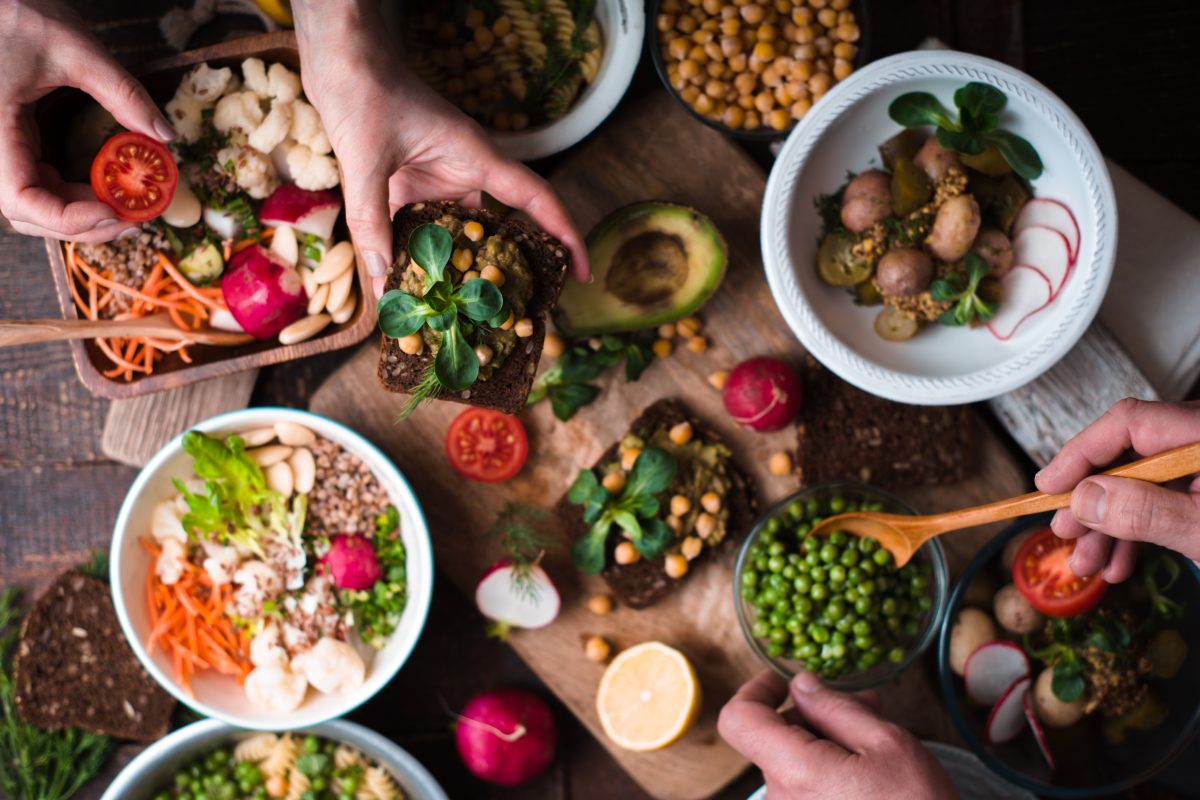
Top 7 biotin-rich foods for vegetarians and vegans
Knowing which plant-based foods are naturally rich in biotin is the key to ensuring enough biotin on a vegetarian or vegan diet.
Fortunately, several biotin-packed options can easily fit into your daily meals, helping you maintain healthy hair, skin, nails and a robust metabolism. Let’s explore the top seven biotin-rich foods that are perfect for vegetarians and vegans:
1. Nuts and seeds
Nuts and seeds are some of the most convenient and nutrient-dense sources of biotin, making them an excellent choice for vegetarians and vegans. Almonds and sunflower seeds, in particular, are rich in biotin and offer a variety of other health benefits.
Almonds are a great source of healthy fats, fiber, and vitamin E, and contain significant amounts of biotin. Research indicates that almonds available on the Canadian market contain a mean biotin level of up to 91.1 µg/100 g, making them a powerful option to help meet your daily biotin needs [3].
Another biotin-rich option, sunflower seeds, provide approximately 7.4 µg of biotin per 100 g. These seeds are also packed with essential fatty acids, protein, and antioxidants, which can support overall health [3].
2. Legumes
As a plant-based food, legumes are a great source of biotin, making them a valuable choice for those following a vegetarian or vegan diet. In addition to their protein and fiber content, legumes offer significant quantities of biotin, which is crucial for healthy skin, hair, and nails.
A study that analyzed the biotin content and retention in various cooked legumes found that these foods retain a substantial amount of biotin even after cooking, making them a reliable source of this vital nutrient.
For instance, cooked lentils and chickpeas, commonly used in various vegetarian and vegan dishes, demonstrated high biotin retention rates of up to 95%, depending on the cooking method used [4].
Incorporating legumes like lentils, chickpeas, and beans into your daily meals can help you meet your biotin needs while enjoying a versatile and nutritious diet.
3. Whole grains
Whole grains like oats, barley, and brown rice contain substantial amounts of biotin, contributing to your daily intake and supporting healthy skin, hair, and nails. Here’s why whole grains should be part of your daily meals:
- Nutrient-dense: Besides biotin, whole grains are packed with other essential nutrients, including fiber, B vitamins, and minerals like magnesium and iron, which support overall health.
- Supports metabolism: Combining biotin and other B vitamins in whole grains is crucial in energy production and metabolism, helping your body efficiently use the nutrients from food.
- Promotes digestive health: The high fiber content in whole grains aids digestion, promotes regular bowel movements, and contributes to maintaining a healthy gut microbiome.
4. Avocado
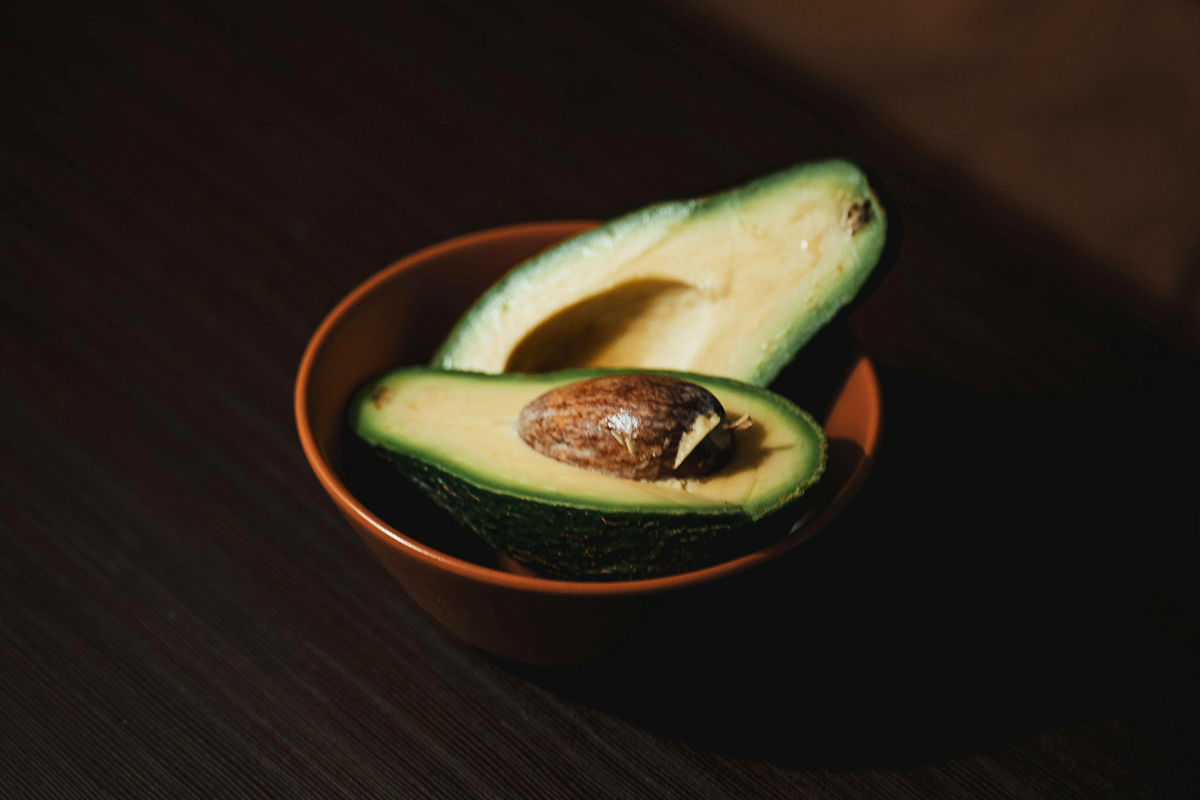
Avocados contain significant levels of biotin, helping to support healthy skin, hair, and nails as part of your daily nutrient intake.
In addition to biotin, avocados are rich in healthy monounsaturated fats, fiber, potassium, and vitamins E and K, which contribute to overall health and wellness.
Avocados’ healthy fats promote heart health by reducing bad cholesterol levels and increasing good cholesterol.
The healthy fats in avocados help your body absorb fat-soluble vitamins (A, D, E, and K) more efficiently, making it an excellent companion to other nutrient-dense foods.
5. Sweet potatoes
Sweet potatoes are a delicious and nutritious way to boost your biotin intake, especially for those following a vegetarian or vegan diet.
Besides biotin, sweet potatoes are packed with vitamins A and C, fiber, and antioxidants, supporting overall health and immune function.
Sweet potatoes contain high levels of beta-carotene, which your body converts into vitamin A. This contributes to maintaining good vision and eye health.
The fiber content in sweet potatoes aids digestion and helps maintain a healthy digestive system by promoting regular bowel movements.
6. Spinach and leafy greens
Spinach and leafy greens like kale and Swiss chard provide a natural source of biotin, contributing to your daily intake and supporting healthy hair, skin, and nails.
These leafy greens are low in calories but high in fiber, making them an excellent choice for maintaining a healthy weight and promoting digestive health.
The vitamin K and calcium found in leafy greens are essential for bone health, helping to maintain strong bones and reduce the risk of fractures.
Spinach and other greens can be easily added to your diet—enjoy them in salads, smoothies, stir-fries, or as a nutrient-dense addition to soups and stews.
7. Mushrooms
Mushrooms, especially varieties like button and shiitake, are naturally rich in biotin, helping to support healthy skin, hair, and nails.
In addition to biotin, mushrooms provide essential nutrients such as vitamin D, B vitamins, selenium, and antioxidants, which contribute to overall health.
Mushrooms are low in calories but high in important nutrients, making them a great choice for those looking to maintain a balanced and nutrient-dense diet.
The antioxidants and beta-glucans found in mushrooms help boost the immune system, protecting against illness and promoting overall well-being.
Final takeaways
Want to make sure you’re getting enough biotin? It’s easy! Just add some of these yummy foods to your meals: nuts, seeds, beans, whole grains, avocados, sweet potatoes, spinach, leafy greens, and mushrooms.
These foods will help your skin, hair, and nails look great. They’re also good for your immune system, heart, and digestion.
So, whether you’re a full-time vegan or just trying to eat more plants, these biotin-packed foods will help you stay healthy and happy. Let’s get those nutrients flowing!
FAQs
Can I get enough biotin on a vegetarian or vegan diet?
Yes, by including biotin-rich plant foods like nuts, seeds, legumes, whole grains, avocados, sweet potatoes, spinach, leafy greens, and mushrooms, you can meet your biotin needs.
What are the signs of biotin deficiency?
Signs of biotin deficiency may include thinning hair, skin rashes, brittle nails, and fatigue.
Do I need to take a biotin supplement?
You may not need a supplement if you have a balanced diet rich in biotin-containing foods. However, consult a healthcare professional if you’re concerned about your biotin levels.
How much biotin do I need daily?
The recommended daily intake of biotin for adults is 30 micrograms, which can be easily met through a varied diet.
[1] The American Journal of Clinical Nutrition. Biotin nutritional status of vegans, lactoovovegetarians, and nonvegetarians
[2] Frontiers in Nutrition. Nutrient Intake and Nutrition Status in Vegetarians and Vegans in Comparison to Omnivores – the Nutritional Evaluation (NuEva) Study
[3] Food Research International. Biotin content in vegetables and nuts available on the Canadian market
[4] Journal of Food Science. Pantothenic Acid and Biotin Retention in Cooked Legumes

