
Longevity.Technology System users:
To learn how understanding your risk of sun damage can empower you to protect your skin and maintain a healthy, youthful glow:
- Download the LT System app on your Android or Apple smartphone.
- Open the LT System app and select ‘Health Insights.’
- Under ‘Skin Health,’ scroll down and find ‘Sun Damage Risk.’
- Now, scroll down to find your results and recommendations.
Not a user yet?
That’s OK; you can sign up for your Epigenetic & DNA test here.
Have you ever wondered how much the sun can harm your skin over time? Sun exposure, while a source of warmth and Vitamin D, also has a hidden risk.
The damage caused by UV rays isn’t always visible immediately, but it accumulates, leading to skin issues that could have been avoided. This is where knowing how to protect yourself becomes crucial.
Sun protection should be as regular as brushing your teeth or sipping water. Taking care of your skin today ensures it remains healthy and resilient tomorrow.
What can you do to prevent sun damage?
Sun exposure can cause long-term, frequently avoidable damage to your skin. It doesn’t have to be difficult to protect yourself; little adjustments to your daily schedule can have a major impact [1]. These seven easy steps will help you maintain healthy skin and lower your risk of sun damage:
1. Apply broad-spectrum sunscreen daily
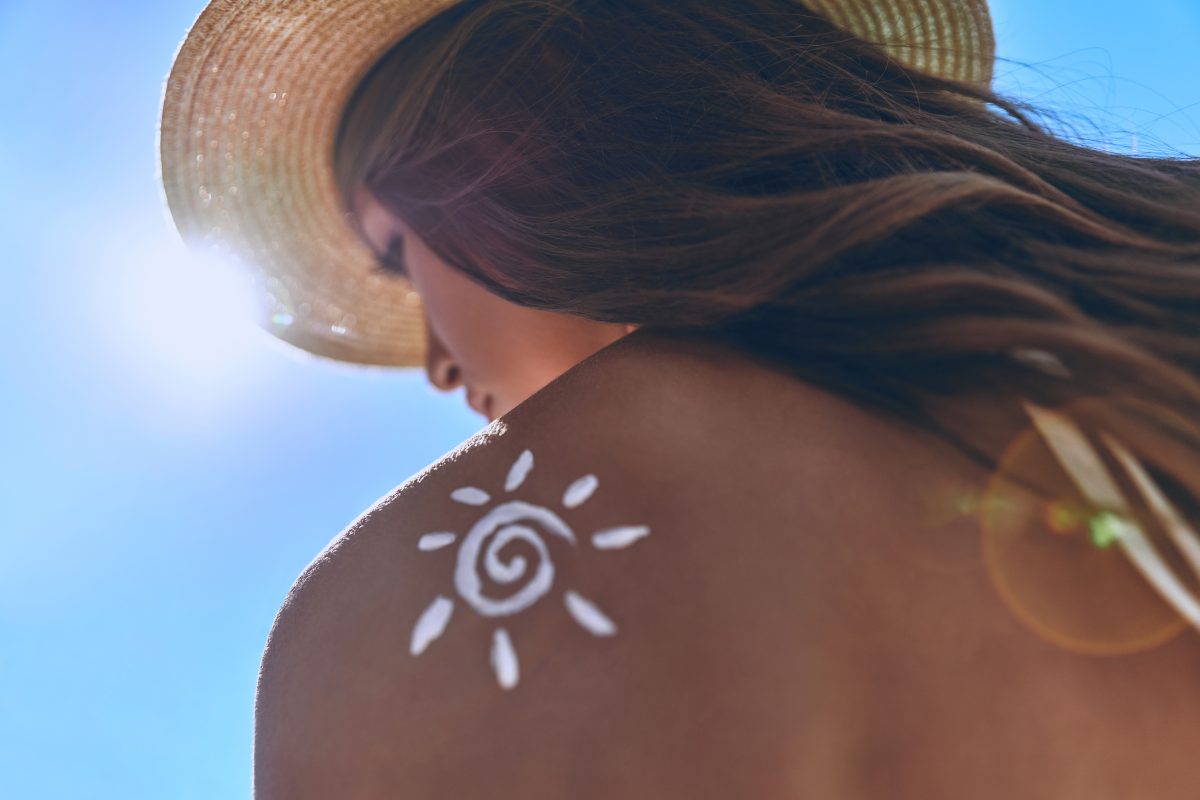
To shield your skin from UVA and UVB radiation, you must use broad-spectrum sunscreen every day, regardless of the weather. This includes applying sunscreen daily with at least SPF 30. Daily application is essential because UV rays can pass through windows and clouds.
To ensure optimal protection, reapply every two hours, particularly after swimming or perspiring. Don’t forget about frequently neglected regions like the tops of your feet, neck, and ears.
2. Wear protective clothing and accessories
Wearing protective clothes is an easy yet efficient approach to keep the sun’s harmful rays off your skin. Opt for long-sleeved shirts, pants, and wide-brimmed hats to cover areas most exposed to the sun. Choose tight weave or UV protection fabrics to maximize coverage [2].
Don’t ignore your eyes; wearing sunglasses that block UV rays can shield them from damaging radiation and lower the chance of long-term damage. Consider additional accessories like UV-protective umbrellas or sun sleeves for extended outdoor activities.
3. Seek shade during peak sun hours
Seeking cover from the sun between 10 a.m. and 3 p.m. and 4 p.m. is a wise strategy to reduce exposure to dangerous UV radiation. Whether at the beach, park or running errands, staying in the shade can significantly reduce your risk of sun damage.
When the sun isn’t as strong, choose early morning or late afternoon for outdoor activities. Protect yourself by using natural shade from trees or man-made structures like umbrellas and awnings.
If shade isn’t available, create your own with portable options, making it easier to enjoy the outdoors safely.

4. Incorporate antioxidant-rich foods into your diet
Including foods high in antioxidants in your diet can help shield your skin from the inside out. Antioxidants are found in foods such as berries, almonds, leafy greens, and colored vegetables that help to protect the body from UV radiation. These nutrients help neutralize free radicals, which can cause premature aging and other skin issues.
Adding various foods to your daily meals boosts your skin’s resilience, making it better equipped to repair and protect itself from sun damage [3]. A healthy, antioxidant-rich diet improves your skin’s general health and strengthens your body’s defenses against the sun.
5. Stay hydrated to support skin health
Staying hydrated is essential for maintaining healthy, resilient skin. Drinking enough water helps moisturize your skin, which is crucial for its ability to repair and protect itself after sun exposure. Try to drink eight glasses of water or more each day if it’s hot outside, or you’ll be spending time outside.
Hydration also helps your skin maintain its elasticity and reduces the appearance of dryness and fine lines. Incorporating hydrating foods like cucumbers, watermelon, and oranges into your diet can further support your skin’s health, keeping it supple and better protected from sun damage.
6. Avoid tanning beds and opt for safer alternatives
Avoiding tanning beds is crucial, as they expose your skin to intense UV radiation that can lead to long-term damage. Instead of seeking a quick tan through harmful methods, opt for safer alternatives like self-tanning lotions, sprays, or bronzers. These products can give you a sun-kissed glow without the risks associated with UV exposure.
Modern self-tanners offer natural-looking results and are a much safer way to achieve a tan. By putting your skin’s health above temporary appearances, you can avoid damage and maintain your skin’s youthful, healthy appearance for many years.
7. Monitor your skin regularly
Monitoring your skin regularly is vital in catching early signs of sun damage. Take time each month to examine your skin for new moles, spots, or changes in existing ones. Areas like your feet, back, scalp and soles are often overlooked but should also be checked.
See a dermatologist immediately if you detect anything strange, such as a mole that changes in size, shape, or color.
Regular self-examinations, combined with annual professional skin checks, can help detect issues early, making treatment more effective and helping to maintain your skin’s health over time.
What skin type gets sun damage?
Understanding how your skin type influences your risk of sun damage is essential for protecting your skin effectively. Everyone’s skin reacts differently to the sun, and knowing your skin type helps you tailor your sun protection routine to your specific needs.
Fitzpatrick skin type scale
The Fitzpatrick Skin Type Scale is a classification system that categorizes skin types based on their reaction to sun exposure [4]. It ranges from Type I to Type VI:
- Type I: Very fair skin, often with red or blonde hair and light eyes. Always burns, never tans.
- Type II: Fair skin, burns easily but may tan slightly.
- Type III: Medium skin, sometimes burns, gradually tans.
- Type IV: Olive or light brown skin, tans easily, burns less frequently.
- Type V: Brown skin, rarely burns, tans easily.
- Type VI: Dark brown or black skin is susceptible to sun damage even though it rarely burns.
This scale helps determine how much sun protection a person needs. Fairer skin types (I-III) are more prone to burning and need higher SPF and more protective measures, while darker skin types (IV-VI) also require protection to prevent long-term damage.
Why skin type matters
Skin type matters because it determines how your skin responds to sun exposure. Fairer skin types (I-III) have less melanin, making them more prone to sunburn and long-term damage.
Darker skin types (IV-VI) have more melanin, offering better natural protection, but they are still at risk of sun damage over time.
By customizing your sun protection regimen to your skin type, you can maintain the health of your skin by using the appropriate SPF and other preventive measures.
Reduce your risk of sun damage with insights from Longevity.Technology Epigenetic & DNA Test
Understanding your unique risk of sun damage is the first step to better protecting your skin. The Longevity.Technology Epigenetic & DNA Test provides personalized insights into how your genes influence your skin’s response to sun exposure.
The test can help you figure out how to care for your skin. It will give you tips on what sunscreen to use and how to protect your skin from the sun. You can use this info to make a skincare routine that’s right for you.
In closing
Taking care of your skin against sun damage is one of the most important steps in maintaining its health and appearance over time.
Daily sun protection isn’t just about avoiding sunburn; it’s about preserving your skin’s natural beauty and preventing long-term issues.
Everyone needs sun protection, regardless of whether they have darker skin that tans more easily or fair skin that burns easily.
These little actions can make a big difference in the long run for the condition of your skin. Make sun protection a habit. It’s an investment in your skin’s future that you’ll never regret.
Curious about how your sun damage risk affects your skin and aging? The Longevity.Technology Epigenetic & DNA Test offers personalized insights to help you protect your skin and maintain a youthful, radiant complexion.
FAQs
How often should I reapply sunscreen?
Sunscreen should be reapplied every two hours, especially if you’re swimming or sweating. Even water-resistant sunscreens need reapplication to maintain effective protection.
What does broad-spectrum sunscreen mean?
Broad-spectrum sunscreen protects against both UVA and UVB rays, which cause skin aging and sunburn, respectively. This type of sunscreen offers more comprehensive protection for your skin.
Is a higher SPF always better?
SPF 30 blocks about 97% of UVB rays, while SPF 50 blocks about 98%. While higher SPF offers slightly more protection, proper application and reapplication are more important.
Is there a safe way to get a tan?
The safest way to achieve a tan is through self-tanning products, not UV exposure. Tanning beds and sunbathing both increase your risk of skin damage.
[1] NIH News in Health. Sun and Skin: The Dark Side of Sun Exposure
[2] The Skin Cancer Foundation. Sun-Protective Clothing: A Safe, Simple Way to Keep the Rays at Bay
[3] Physalis Health. Beyond sunscreen – nourishing your skin from within to shield against UV damage
[4] Malays J Public Health Med. The reliability of Fitzpatrick Skin Type Chart Comparing to Mexameter (Mx 18) in measuring skin color among first trimester pregnant mothers in Petaling District, Malaysia

