
Imagine a world where protecting your vision is as simple as choosing the right foods. Would you add more eye-friendly options to your plate if it meant clearer, sharper eyesight for years to come?
One of the most powerful nutrients for eye health is lutein, a carotenoid found in various fruits and vegetables. It’s commonly recognized that this strong antioxidant can protect your retina from damaging blue light and enhance its health.
But here’s the thing: our bodies can’t produce lutein on their own, which means we need to get it from our diet. Fortunately, lutein is found in a number of delectable foods, so including them in your diet can have a big impact on the health of your eyes.
What foods have the most lutein?
Strong antioxidant lutein, which is present in some fruits and vegetables, is essential for keeping your eyes healthy overall and shielding them from damaging blue light [1]. Let’s explore the top seven foods rich in lutein that can help keep your vision strong and your eyes healthy.
1. Kale
Kale stands out as one of the most potent sources of lutein, making it a must-have for anyone looking to boost their eye health. This nutrient-dense leafy green isn’t just a trend—it’s a powerhouse packed with a variety of vitamins and minerals that support overall wellness.
- Kale provides more lutein per serving than most other vegetables.
- Loaded with vitamins A, C, and K, which support immune function, skin health, and blood clotting.
- Helps fight oxidative stress, which can protect your cells from damage.
- Perfect for salads, smoothies, or sautéed as a side dish.
- A nutrient-rich option for those mindful of their calorie intake.
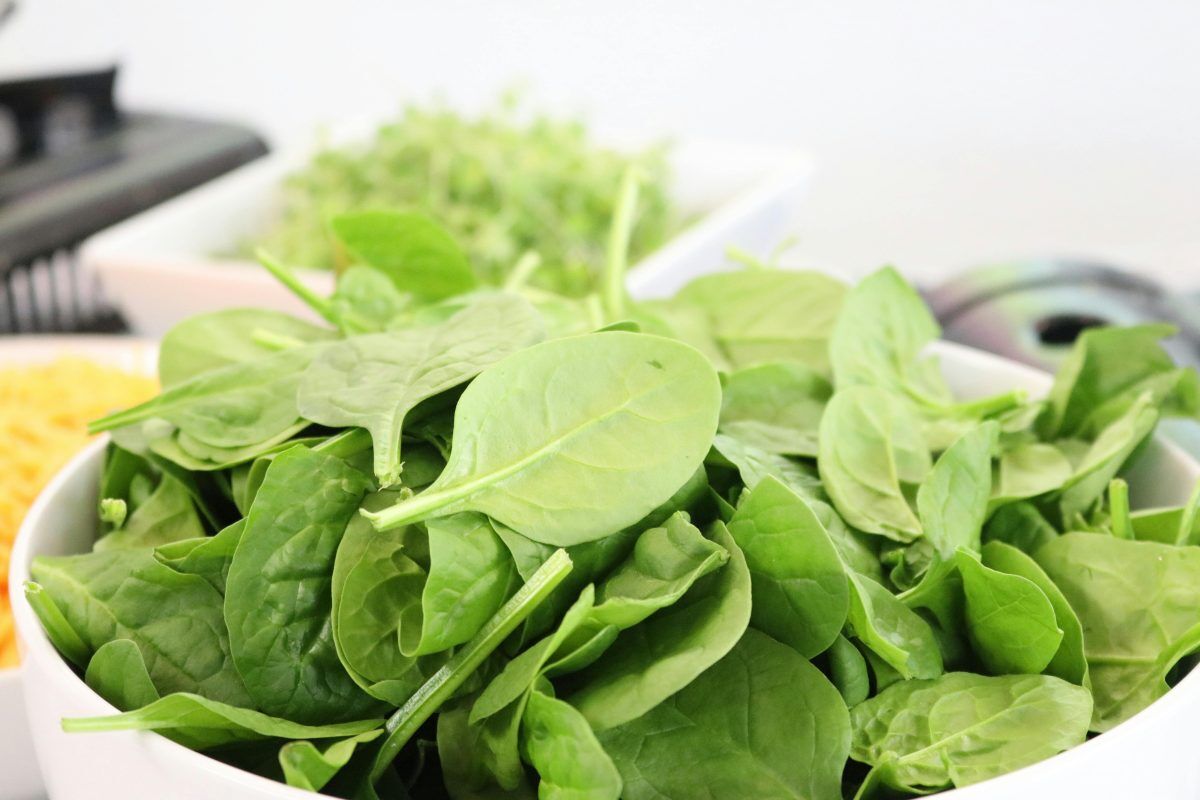
2. Spinach
As a nutritional powerhouse that can significantly increase your intake of lutein, spinach is a great option for maintaining eye health. Whether you prefer it raw or cooked, this adaptable green is simple to include in your regular diet.
- Spinach provides a substantial amount of lutein per serving, contributing to eye protection.
- High in iron, calcium, and vitamins A, C, and K, supporting bone health, immunity, and more.
- Helps shield cells from oxidative damage and minimize inflammation.
- Add to salads, blend into smoothies, or cook in soups and omelets.
- A filling, nutrient-dense option that’s perfect for any meal.
3. Swiss chard
Swiss chard is often overlooked, but it’s a fantastic source of lutein, making it a valuable addition to your diet for eye health. This vibrant, leafy green not only adds color to your plate but also delivers a variety of essential nutrients.
- Swiss chard offers a generous amount of lutein, supporting vision and overall eye health.
- Packed with vitamins A, C, and K, along with magnesium and potassium, which support heart and bone health [2].
- Aids in the fight against inflammation and oxidative stress, enhancing general health.
- Sauté with garlic, add to soups or use in quiches for a nutritious boost.
- Adds bulk and nutrients to your meals without adding extra calories.
4. Broccoli
Broccoli is a well-known vegetable that offers an impressive amount of lutein, making it a key player in promoting eye health. Broccoli is a mainstay in many diets due to its many health advantages, which extend beyond its lutein content.
- Broccoli contributes significantly to your daily lutein intake, aiding in the protection of your eyes.
- Loaded with vitamins C and K, as well as fiber, supporting immune function, bone health, and digestion.
- Protects against oxidative stress and promotes the general health of cells.
- Steam, roast, or add to stir-fries and salads for a nutritious and flavorful addition to your meals.
- A healthy, filling vegetable that complements any diet.
5. Peas
Peas may be small, but they pack a powerful punch when it comes to lutein content, making them an excellent choice for supporting eye health. These little green jewels provide taste and nutrients to a wide range of recipes, and they’re quite simple to include.
- Peas offer a notable amount of lutein, helping to protect your eyes from damage.
- High in fiber, plant-based protein, and essential vitamins like A, C, and K, supporting overall health [3].
- The fiber in peas aids digestion and promotes a healthy gut.
- Add to soups, stews, and salads, or serve as a simple side dish.
- Peas provide satisfying nutrition without added calories, making them a great addition to any diet.
6. Corn
Corn is a sweet and satisfying vegetable that also happens to be a good source of lutein, making it a tasty way to support eye health. Its versatility and flavor make corn a favorite in many households.
- Corn provides a decent amount of lutein, contributing to eye protection and overall health.
- It’s a great choice for a balanced diet because it promotes healthy digestion and helps to keep blood sugar levels steady.
- includes antioxidants that promote general well-being by preventing oxidative stress.
- Enjoy corn on the cob, add to salads, or mix into salsas and casseroles for a burst of sweetness and nutrition.
- Corn adds flavor and nutrients without excessive calories, making it a healthy addition to any meal.
7. Red grapes
Red grapes are a delicious and hydrating fruit that also provide a good source of lutein, making them a sweet way to support eye health. Their antioxidant-rich profile adds additional benefits to your diet.
- Red grapes offer a moderate amount of lutein, contributing to the maintenance of healthy vision.
- High in resveratrol and other antioxidants, which support heart health and reduce inflammation.
- Red grapes fulfill your sweet craving and help you stay hydrated because of their high water content.
- Enjoy as a snack, freeze for a cool treat, or add to salads and cheese platters.
- A naturally sweet, low-calorie option that’s easy to enjoy anytime, adding both flavor and nutrition to your diet.
How do you increase lutein absorption?
Maximizing your lutein intake doesn’t have to be complicated. With a few smart strategies, you can ensure that you’re getting the most out of the lutein-rich foods in your diet [4].
Here are some practical tips to help you boost your lutein absorption and make the most of this essential nutrient.
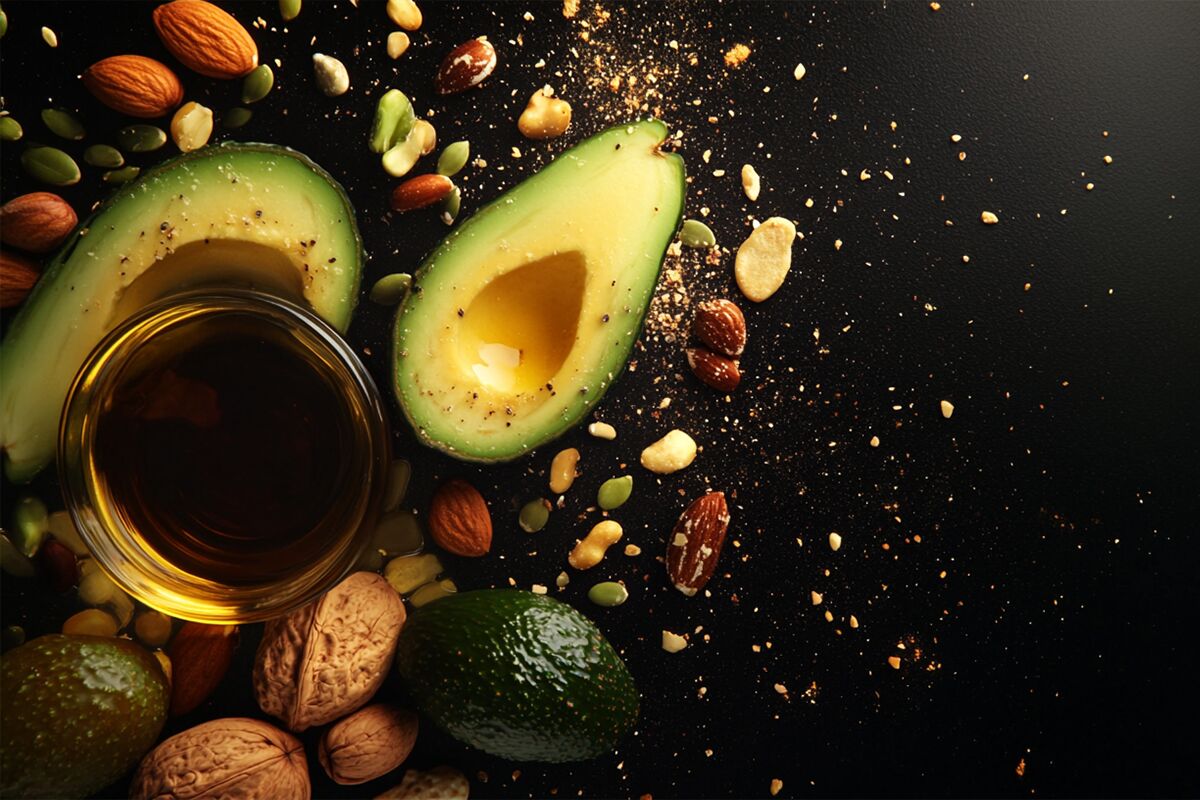
Pair lutein-rich foods with healthy fats
Pairing lutein-rich foods with healthy fats is a simple yet effective way to enhance the absorption of this essential nutrient. Lutein is fat-soluble, meaning it requires fat to be properly absorbed in the body. Incorporating healthy fats into your meals can make a significant difference.
- Avocado: Add slices of avocado to your kale or spinach salads for a creamy texture and better lutein absorption.
- Olive oil: Drizzle olive oil over steamed broccoli or sautéed Swiss chard. This heart-healthy fat not only enhances flavor but also boosts the effectiveness of lutein.
- Nuts and seeds: Sprinkle almonds, walnuts, or chia seeds over your dishes. These fats not only help with lutein absorption but also add crunch and flavor.
Making these simple additions to your meals ensures you get the maximum benefit from lutein-rich foods, supporting your eye health and overall wellness.
Eat various lutein-rich foods
Eating a variety of lutein-rich foods is key to maximizing your intake and enjoying a range of health benefits. Different foods offer unique combinations of nutrients, so mixing them up ensures a balanced diet.
- Leafy greens: Rotate between kale, spinach, and Swiss chard throughout the week. Each brings a different set of vitamins and minerals alongside their lutein content.
- Vegetable variety: Incorporate broccoli, peas, and corn into your meals. Their distinct flavors and textures keep your diet interesting while providing essential nutrients.
- Snack options: Keep snacks like red grapes or pea pods handy. These are easy, quick options that help maintain lutein levels throughout the day.
Trying new recipes that include these foods can make your meals more exciting and nutritious. For example, make a spinach and Swiss chard frittata or a broccoli and pea stir-fry to diversify your diet and boost your lutein intake.
Consider lutein supplements if necessary
While food is the best source of nutrients, eye health supplements can be a helpful addition if you’re not getting enough from your diet. Before beginning any supplement, it’s crucial to speak with a healthcare professional to ascertain its necessity and select the appropriate dosage [5].
Opt for high-quality lutein supplements, preferably derived from natural sources like marigold flowers, which are known for their effectiveness. Even if you take a supplement, continue eating lutein-rich foods, as supplements work best when combined with a healthy, balanced diet.
Cook lutein-rich foods properly
Cooking lutein-rich foods properly helps preserve their nutrient content and ensures you get the most benefit for your health.
- Light steaming: Lightly steaming vegetables like broccoli and spinach helps retain lutein and other vital nutrients. This method softens the vegetables without losing their nutritional value.
- Avoid overcooking: Overcooking can degrade lutein, reducing its effectiveness. Cook vegetables just until tender to maintain their lutein content and enjoy their full health benefits.
- Raw options: Some lutein-rich foods, such as spinach, are also great when eaten raw. Add raw spinach to salads or smoothies to maximize lutein intake.
- Roasting with healthy fats: Adding a little olive oil to roasted veggies, such as Swiss chard or kale, improves their flavor and increases the absorption of lutein.
Proper cooking techniques make it easy to enjoy the full benefits of lutein-rich foods while adding variety and flavor to your meals.
Closing thoughts
It’s actually quite simple to maintain the health of your eyes. Adding more lutein-rich foods to your meals is a fantastic place to start, as simple dietary changes can have a big influence.
Whether you’re enjoying leafy greens like kale and spinach, snacking on red grapes, or cooking up some broccoli or Swiss chard, these foods are packed with the lutein your eyes need to stay healthy.
Your eye health is worth the effort. Small, consistent changes can make a big difference over time. Apply these suggestions to your everyday life to get the advantages of a lutein-rich diet.
FAQs
What is lutein?
Lutein is a carotenoid antioxidant found in various fruits and vegetables. It plays a crucial role in maintaining eye health and protecting against blue light damage.
Which foods are highest in lutein?
Leafy greens like kale and spinach are among the highest sources of lutein. Other good sources include broccoli, peas, corn, and red grapes.
Is lutein safe to take as a supplement?
Lutein is generally safe when taken as a supplement in recommended doses. Always consult with a healthcare provider before starting any new supplement.
Why is lutein important for eye health?
Lutein helps filter harmful blue light and protects the retina from damage. It also reduces the risk of age-related macular degeneration.
[1] US Pharm. Nutrition and Eye Health at a Glance
[2] Allergy Associates of La Crosse. Swiss Chard
[3] Nutrients. Dietary Sources of Lutein and Zeaxanthin Carotenoids and Their Role in Eye Health
[4] Nutrients. Lutein and Zeaxanthin—Food Sources, Bioavailability and Dietary Variety in Age‐Related Macular Degeneration Protection
[5] Food Reviews International. A Biological Role of Lutein

