
Muscle recovery is essential for anyone engaging in regular physical activity, as it helps reduce soreness and rebuild muscle strength. Peptides have gained popularity for speeding up this process.
Specific peptides can significantly impact how fast you recover after a workout by aiding muscle repair and decreasing inflammation.
This blog will explore five safe and effective peptides that can enhance muscle recovery, helping you regain your training routine faster and stronger.
How do peptides help in muscle recovery?
Peptides are short chains of amino acids that serve as the fundamental units of proteins. They are naturally present in the body and are essential in numerous biological functions, like muscle development and regeneration.
When you exercise, especially with high intensity, muscle fibers experience small tears. The body needs to repair these tears to build stronger muscles, which is where peptides come into play.
Peptides promote healing and growth during muscle recovery [1]. They help stimulate protein production that aids in muscle repair, such as collagen and growth hormone.
This process speeds up recovery and helps reduce muscle soreness and inflammation. Additionally, peptides can enhance the body’s ability to build new muscle tissue, supporting overall muscle mass and strength.
Different peptides have specific roles in muscle recovery. Some increase collagen production, which is essential for connective tissue health, while others boost the synthesis of proteins that directly contribute to muscle repair.
By supporting the body’s natural recovery mechanisms, peptides can make the difference between feeling sore for days or bouncing back quickly after a workout.
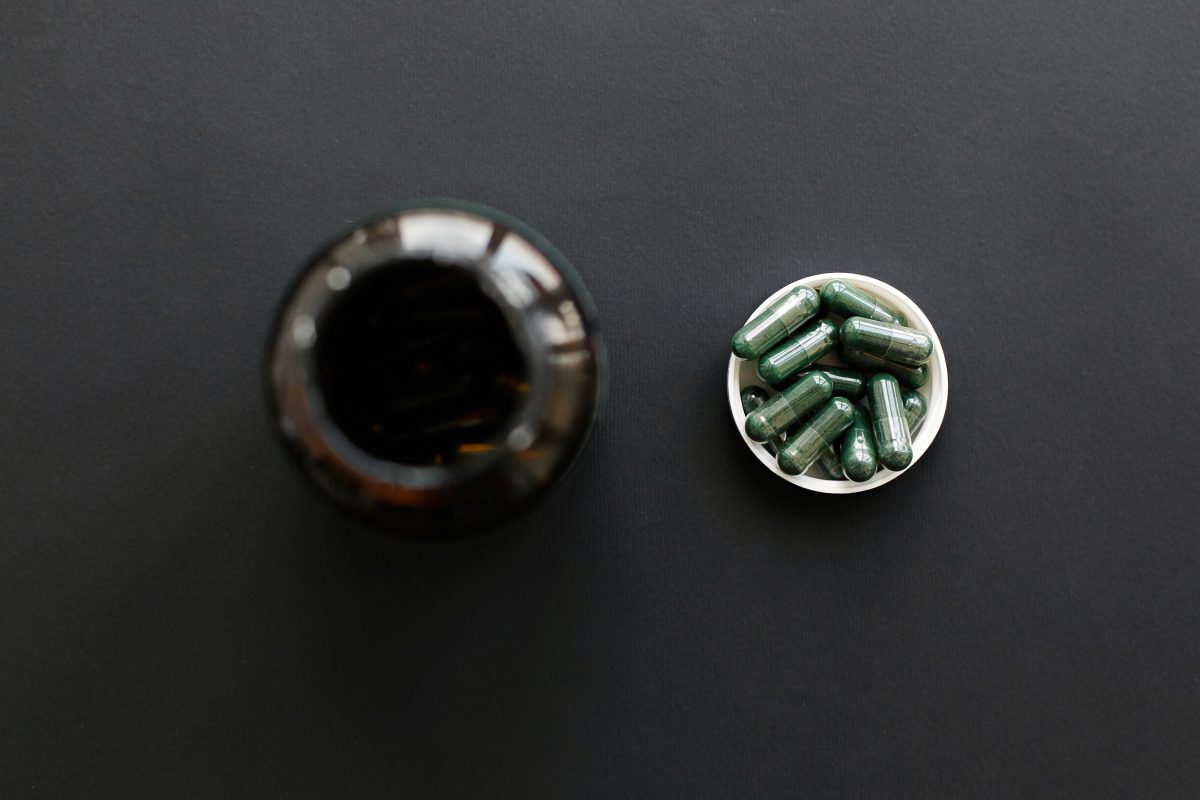
What are the top 5 peptides for muscle recovery?
1. Collagen peptides
Collagen is vital for repairing connective tissues such as tendons and ligaments [2], which endure stress during workouts. Its benefits include:
- Supports the structural integrity of muscles and joints.
- Reduces the risk of injury.
- Enhances overall muscle function and joint health.
These peptides are available in powder form, collagen peptides can be easily mixed into smoothies, shakes, or water.
2. Branched-Chain Amino Acids (BCAAs) peptides
BCAAs contain key amino acids leucine, isoleucine, and valine which are essential for muscle protein synthesis. Benefits include:
- Stimulates muscle growth and repair.
- Reduces exercise-induced muscle damage and soreness.
- Provides the building blocks necessary for muscle repair.
BCAAs can be taken before, during, or after exercise to maximize recovery benefits.
3. Whey protein peptides
Hydrolyzed form of whey protein allows for rapid absorption by the body. Benefits include:
- Promotes muscle protein synthesis and repair of damaged fibers.
- Supports the growth of new muscle tissue.
- Reduces muscle soreness and enhances overall recovery.
These are ideal for post-workout consumption in shakes or meals to support recovery.
4. Glutamine peptides
Glutamine is crucial for muscle recovery and immune function. Benefits include:
- Replenishes depleted glutamine levels post-exercise.
- Reduces muscle soreness and inflammation.
- Supports the immune system, reducing the risk of illness.
Commonly taken post-exercise to speed up muscle repair and reduce fatigue.
5. Creatine peptides
Creatine increases ATP availability, boosting muscle endurance and strength. Benefits include:
- Improves muscle endurance and allows for more intense workouts.
- Reduces muscle cell damage and inflammation.
- Promotes faster recovery and less soreness.
Incorporate creatine peptides into your routine to support muscle mass maintenance and enhance recovery.
How do you choose the right peptides for your needs?
Selecting the right peptide for muscle recovery depends on your individual goals, workout intensity, and recovery needs. Here are some factors to consider when choosing the best peptide for you:
1. Specific recovery goals
Identify what you aim to achieve with peptide supplementation. If joint and connective tissue health is a priority, collagen peptides might be the best choice.
If you’re looking to boost muscle growth and repair, BCAAs or whey protein peptides could be more effective [3].
2. Workout intensity
The intensity and frequency of your workouts play a role in determining your peptide needs. High-intensity training may benefit from glutamine peptides to support muscle recovery and immune function [4], while endurance athletes might find creatine peptides helpful for enhancing performance and reducing muscle damage.
3. Dietary preferences and restrictions
Some peptides, like whey protein, come from dairy sources. If you have dietary restrictions or preferences, such as being lactose intolerant or vegan, consider alternative peptide sources that fit within your diet.
4. Supplement form and convenience
Consider how you prefer to take supplements. Peptides are available in various forms, including powders, capsules, and liquids. Choose a form that fits seamlessly into your routine for consistent use.
Consult a medical professional or a nutritionist to help you make an informed decision based on your specific needs and overall health. This ensures you select the most effective and safe peptide for your muscle recovery goals.
Enhance your recovery with FLT MUSCLE
Choosing the right peptides is just one part of maximizing muscle recovery—pairing them with the right supplement can help you train harder and recover faster.
FLT MUSCLE is formulated with PeptiStrong®, a clinically studied plant-based peptide that boosts muscle protein synthesis, reduces fatigue, and accelerates recovery.
It also includes:
✔ Creatine – Supports strength, muscle performance, and recovery
✔ Magnesium and electrolytes – Improves performance and aids hydration
✔ L-Glutamine – Helps with muscle recovery after intense exercise
✔ Zinc – Supports immunity and combats effects of aging
Don’t let slow recovery hold you back—power through every workout and come back stronger.
Get FLT MUSCLE today and push past your limits! Order yours now!
How do you incorporate peptides into your recovery routine?
Integrating peptides into your recovery routine can enhance muscle repair and help you bounce back faster after workouts. Here’s how to make the most of these supplements:
1. Time your intake properly
When it comes to peptide supplementation, timing can significantly impact effectiveness. For instance, consuming whey protein peptides or BCAAs shortly after exercise can support muscle protein synthesis when your muscles are most receptive to nutrients.
Glutamine peptides are also beneficial post-workout in aiding in reducing muscle soreness and replenishing depleted stores.
2. Start with a balanced diet
Peptides should complement, not replace, a balanced diet. Ensure you’re getting enough protein, healthy fats, and carbohydrates to support overall muscle recovery. A nutrient-rich diet enhances the effectiveness of peptide supplements.
3. Combine with other recovery strategies
While peptides play a crucial role in muscle recovery, combining them with other strategies like proper hydration, adequate sleep, and stretching can further optimize results.
For example, collagen peptides can be paired with exercises that support joint health to maximize their benefits.
4. Be consistent
To see the best results, use peptides consistently as part of your daily routine. Whether it’s mixing collagen peptides into your morning smoothie or taking creatine peptides before workouts, regular use can lead to more noticeable improvements in muscle recovery and performance.
Always follow the recommended dosage on the supplement label and consult a healthcare professional if you’re unsure about the right amount for your needs.
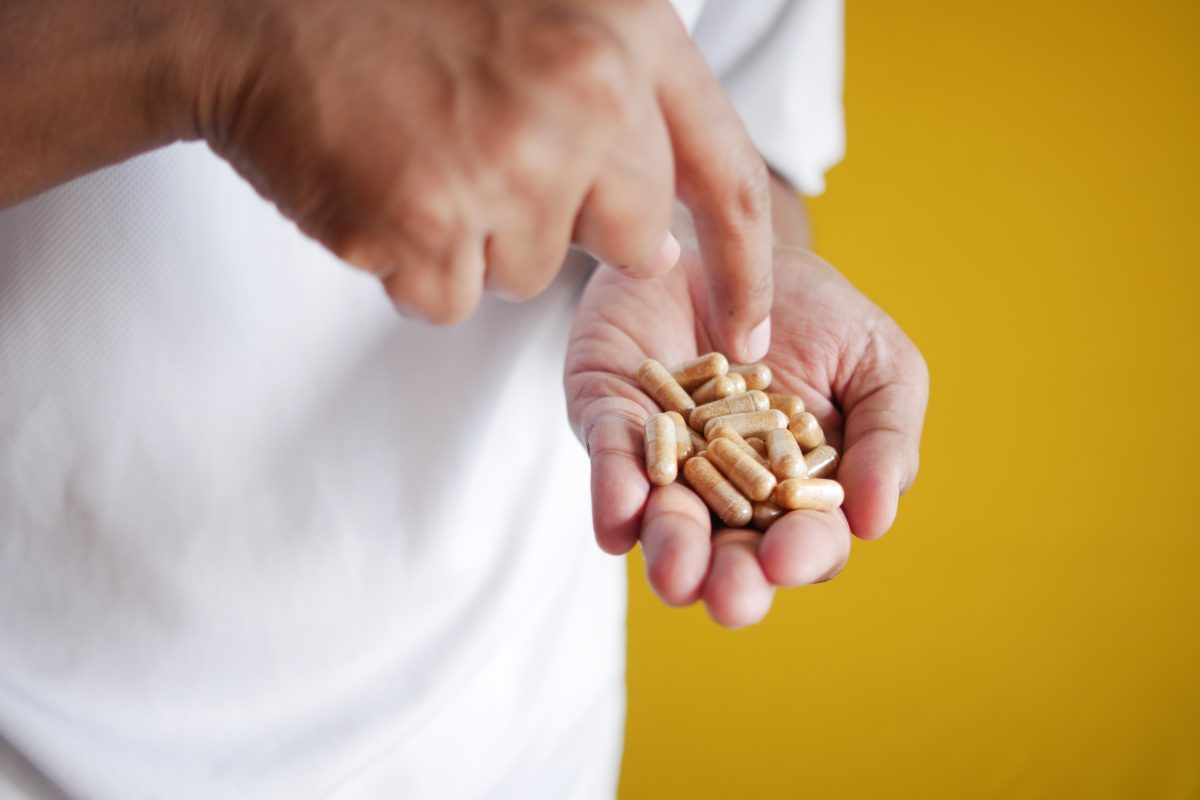
Are there any risks or precautions when using peptides?
While peptides like collagen, BCAAs, whey protein, glutamine, and creatine are generally considered safe for most individuals, it’s important to be aware of potential risks and take necessary precautions.
Overuse or incorrect dosing can lead to side effects. For example, excessive intake of BCAAs might cause digestive issues, while too much creatine can result in water retention or digestive discomfort.
Quality and purity are crucial when selecting peptide supplements. Look for products from reputable manufacturers that undergo third-party testing to ensure they are free from contaminants and meet safety standards. Avoid supplements with unnecessary additives or fillers that could cause adverse reactions.
Additionally, if you’re pregnant, breastfeeding, or taking medications, it’s essential to get medical advice to prevent potential interactions.
Closing thoughts
Peptides offer a valuable boost for muscle recovery, helping to reduce soreness and support faster repair. Choosing the right peptide, like collagen or BCAAs, can make a significant difference in your workout routine and results.
Incorporating these supplements with proper timing, a balanced diet, and other recovery strategies enhances their effectiveness. Always prioritize safety by selecting high-quality products and consulting a healthcare professional if needed.
With the right approach, peptides can become a key part of your recovery process, helping you achieve your fitness goals more efficiently.
FAQs
Do peptides really work for healing?
Yes, peptides can support healing by promoting muscle repair and reducing inflammation. Their effectiveness depends on the specific peptide and how it’s used.
Are injectable peptides safe?
Injectable peptides can be safe when prescribed and administered by a healthcare professional. Self-administration without guidance poses risks, including incorrect dosing and potential side effects.
How do bodybuilders take peptides?
Bodybuilders often take peptides in cycles, either through injections or oral supplements. They combine them with diet and exercise to enhance muscle growth and recovery.
What not to mix with peptides?
Avoid mixing peptides with alcohol or certain medications, as interactions may reduce effectiveness or increase side effects. Consult your healthcare provider before combining peptides with other supplements.
[1] Performance Pain & Sports Medicine. The Role of Peptides in Accelerating Recovery and Muscle Growth
[2] National Library of Medicine. Biochemistry, Collagen Synthesis
[3] MusclePharm. BCAAs vs. Whey Protein: Which Is Better for Muscle Growth and Recovery?
[4] Cleveland Clinic. Glutamine

