
Membership of SHARE-ERIC and Government support enable Lithuanian researchers to contribute to aging research and policy shaping.
Lithuania has officially become a full member of the Survey of Health, Ageing and Retirement in Europe – European Research Infrastructure Consortium (SHARE-ERIC), a pivotal platform for research on aging across the continent. This development, enabled by the Lithuanian government, aims to position the country at the forefront of aging research, and grants Lithuanian researchers access to a wealth of data and decision-making capabilities within the consortium.
Longevity.Technology: Government backing for initiatives like SHARE-ERIC reflect a shift in how nations are prioritizing research into aging. With populations aging rapidly, the focus on healthspan and sustainable social policies highlights a growing recognition of the need to address age-related challenges proactively. This involvement may indicate a broader acknowledgment of aging not merely as a biological inevitability but as a modifiable factor influencing national well-being.
Lithuanian involvement in SHARE-ERIC builds on nearly a decade of collaboration, during which researchers contributed to data collection and analysis as partners. However, full membership solidifies Lithuania’s ability to actively participate in decision-making processes and shape European strategies addressing the challenges of aging populations.
“Joining this network is a major achievement for the country,” said Justina Jakštienė, Vice-Minister of Social Security and Labour. “The research findings will ensure data-driven decisions, which are crucial for Lithuania in addressing current and future challenges.”
Addressing Lithuania’s aging index
As the European Union braces for a rise in its old-age dependency ratio (OADR), Lithuania faces even steeper growth. The OADR, which is the number of people aged at least 65 divided by those aged 20-64, gives an idea about the beneficiary-contributor balance relative shift between potential retirees and potential workers. The OADR is projected to increase from 36% in 2022 to 59% in 2070 for the EU as a whole, and in Lithuania, In 2070, the OADR would surpass 65% Lithuania, meaning that for every two people aged 65 or more, there would be only three individuals between 20 and 64 years old [1]. In addition, In 2070, it is expected that the number of people outside the working-age population will have surpassed the working-age population in Lithuania, with a total dependency ratio of more than 100% [1].
This demographic shift signals profound implications for social, economic and healthcare systems. Comprehensive, high-quality data is essential to inform policy solutions, particularly as older adults are expected to comprise the majority of Lithuania’s population by mid-century.
Associate Professor Vytis Silius, Vice Dean of the Vilnius University (VU) Faculty of Philosophy, said: “As part of the SHARE study, researchers from the VU Faculty of Philosophy are collecting and managing data for the research they are conducting to analyse the challenges posed by population ageing. They also propose solutions to improve quality of life and health. It is gratifying that Lithuanian public institutions and researchers increasingly recognise the value of SHARE. “
Lithuania’s participation in SHARE-ERIC has been championed by a consortium of academic institutions, including Vilnius University, Kaunas University of Technology, the Lithuanian Centre for Social Sciences, and Vytautas Magnus University.
“By bringing together colleagues from other universities and research institutes into the SHARE Lithuania Consortium, we have also developed an operational plan for SHARE Lithuania research infrastructure, which has been well received by international experts,” Silius added.
Enhancing research capabilities and policymaking
Full membership in SHARE-ERIC unlocks unparalleled opportunities for Lithuanian researchers.
“It is very encouraging to see Lithuania becoming a full member of SHARE,” said Professor Antanas Kairys of Vilnius University’s Institute of Psychology. “While we have been collaborating with SHARE since 2014, Lithuania’s full involvement opens up even more opportunities. Lithuanian researchers gain access to high-quality and internationally comparable data covering ageing issues and can, therefore, enhance their competencies in research and data analysis.
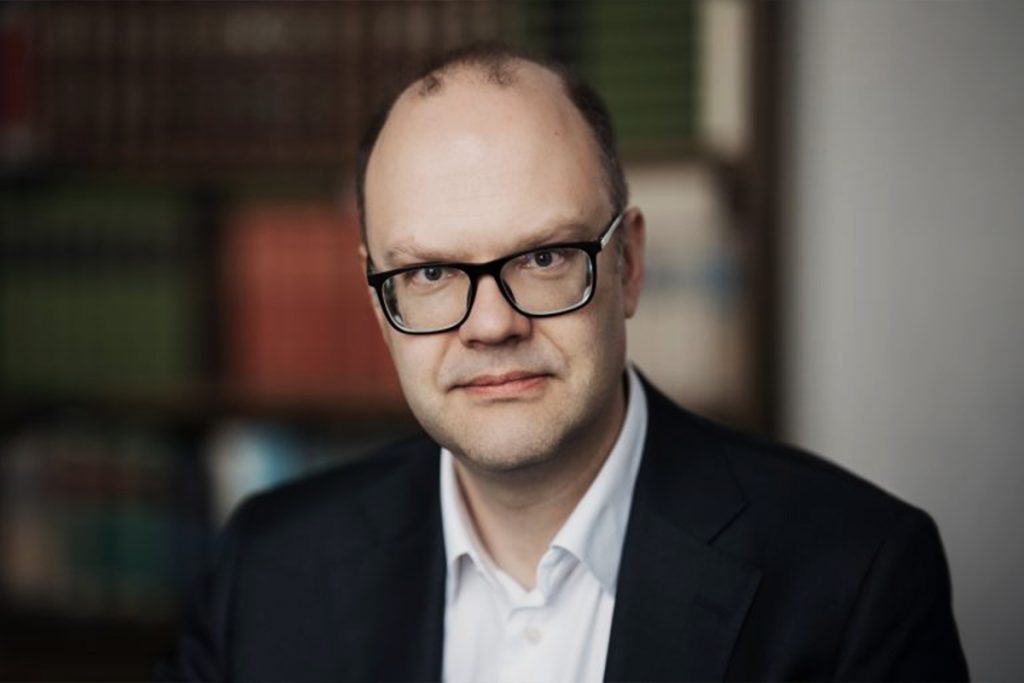
“Moreover, the institutions determining social and healthcare policies can use this data to assess the need for specific decisions and measure their impact on older adults’ lives. It is also highly important that Lithuania’s full engagement in SHARE-ERIC grants it the opportunity to actively shape decisions regarding the implementation of this study.”
The SHARE survey, conducted every two years, collects data from approximately 2,000 individuals aged 50 and older. This extensive dataset spans topics such as health, employment, socio-economic status, and family networks. Since its inception in 2004, SHARE has surveyed 140,000 participants across 28 European countries and Israel, making it a cornerstone for evidence-based policymaking.
Shaping decisions for an aging Europe
Lithuania’s integration into SHARE-ERIC not only bolsters national research but also ensures that the country has a voice in European decision-making processes concerning aging. This access is critical as policymakers across the continent grapple with the complex interplay of demographics, healthcare demands and economic sustainability.
This membership comes at a critical juncture for Lithuania; as the nation faces a rapidly aging population, SHARE-ERIC provides a platform for developing targeted interventions and long-term strategies. By contributing to and benefiting from this expansive research network, Lithuania is poised to navigate the challenges of an aging society with data-driven precision.
For researchers and policymakers alike, Lithuania’s full participation in SHARE-ERIC signals an era of informed decision-making; for its citizens, it represents a commitment to addressing the needs of older populations and ensuring quality of life as the demographic landscape evolves.

