
A look back at the year’s most intriguing developments in longevity science, from regenerative medicine to AI-driven discoveries.
2024 has been a pivotal year for longevity research, with advancements spanning from molecular biology to clinical applications. Here’s a closer look at some of the stories that shaped the field.
AI-discovered drug for ALS enters clinical trials
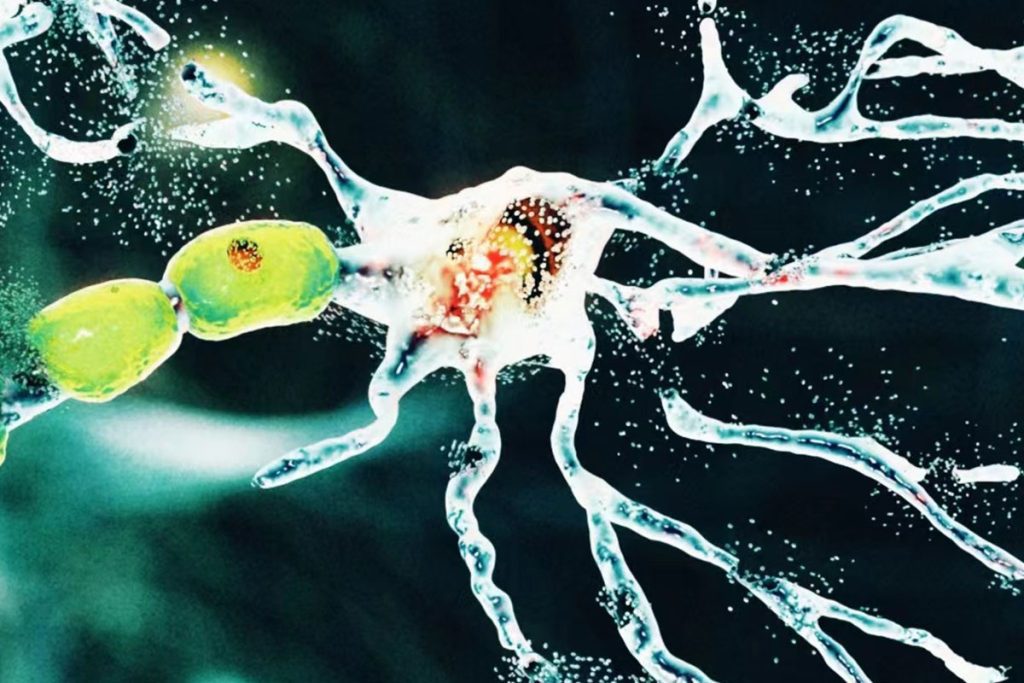
Artificial intelligence continues to accelerate drug discovery. In February we reported that 4B Technologies’ AI-discovered treatment for ALS had progressed to clinical trials. Developed in partnership with Insilico Medicine, the drug offers hope for addressing this debilitating neurodegenerative disease. The use of AI to identify promising compounds represents a significant shift in how therapeutics are developed, reducing the time and cost typically associated with these processes.
Predicting cardiac events with AI and coronary inflammation analysis

In May we reported that Caristo Diagnostics had introduced a groundbreaking AI-based tool capable of predicting heart attacks up to a decade in advance by assessing coronary inflammation. This technology provides clinicians with a powerful tool to identify at-risk individuals and implement preventive measures. By addressing inflammation, which plays a central role in cardiovascular aging, the technology spotlights a growing focus on early intervention in longevity medicine.
Real-time monitoring of DNA methylation in aging cells

Innovative research from Vilnius University has led to the development of a non-invasive method to track DNA methylation changes in live cells. In October, we discussed how this advancement allows scientists to observe epigenetic modifications in real-time, providing deeper insights into how these changes contribute to aging and opening new avenues for targeted interventions to promote healthy aging.
Mapping the cellular landscape of aging muscles

In April, we reported that a comprehensive cell atlas of aging human muscle has been created, shedding light on the genetic and cellular processes behind muscle deterioration. This resource enhances our understanding of sarcopenia and frailty, potentially guiding the development of therapies to maintain muscle health and function in the aging population.
FDA-approved drugs show promise in reducing overall mortality
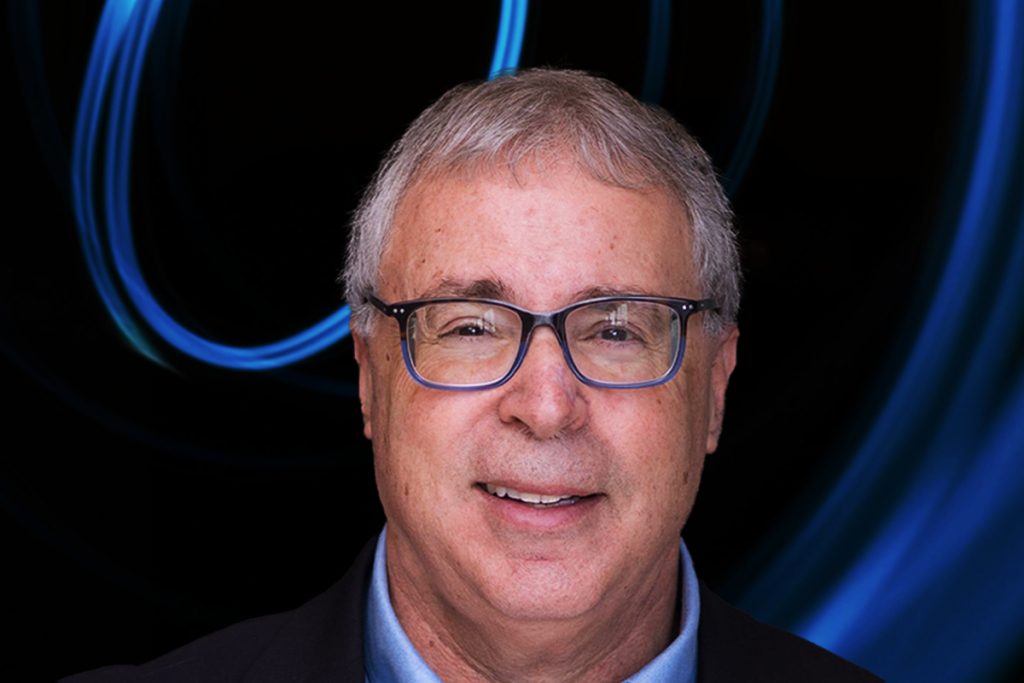
In September we spoke to Dr Nir Barzilai about four FDA-approved drugs that reduce overall mortality in humans. We discussed the potential of repurposing existing medications to combat aging and age-related diseases. By targeting pathways associated with longevity, these drugs exemplify how existing pharmacological interventions can extend healthspan and reduce mortality risks, offering hope for more accessible longevity solutions.
Regenerative therapeutics from human birth tissue

In July we spoke to Dr Bruce Werber, CEO of BioXtek about the company’s innovative approach to regenerative medicine, which uses human birth tissue to create advanced therapeutics. BioXtek’s cutting-edge platform leverages the regenerative properties of amniotic membrane and other birth-derived tissues to address various age-related conditions. This emerging technology holds great promise for restoring tissue function and enhancing overall healthspan.

