
Research in 2024 explored aging from diverse perspectives, from entropy to evolutionary biology – we look back through the year’s stories.
The pursuit of understanding why and how we age continued to be a focus in 2024; here is a summary of some of the significant contributions to aging theory this year.
Epigenetic reprogramming: reversing the aging clock

The Information Theory of Aging remained a cornerstone of epigenetic research in 2024. This theory suggests that aging results from the degradation of epigenetic information, which regulates gene function. Research by Yuancheng Ryan Lu, Xiao Tian and David Sinclair explored whether this information could be restored to rejuvenate cells, effectively resetting the aging clock. While the concept remains theoretical, it opens pathways for future therapeutic applications aimed at cellular repair and regeneration.
Read the full article
Entropy: the biological cost of disorder

Aging has also been viewed as an entropic process, driven by the gradual accumulation of disorder within biological systems. This year, scientists explored how entropy contributes to cellular damage and systemic decline. The findings reinforced the idea that while entropy cannot be reversed, interventions targeting the damage it causes – such as oxidative stress – could mitigate its effects. This theory provides a valuable framework for understanding the limitations and possibilities of antiaging strategies and we were lucky enough to discuss it with Gero‘s Dr Peter Fedichev.
Read the full article
Evolutionary theories and genetic trade-offs

Theories like antagonistic pleiotropy continue to shape our understanding of aging’s evolutionary roots. In January, we discussed a review in Trends in Genetics that highlighted how genetic traits that enhance early-life fitness may contribute to aging later in life. These trade-offs provide insights into why organisms age differently and why some species, such as lobsters and certain jellyfish, appear to escape aging entirely; exploring these anomalies could inform future genetic interventions.
Read the full article
Biomolecular shifts across the lifespan

Two critical periods of biomolecular change – one in midlife and another in later life – were identified as pivotal aging milestones. These transitions involve alterations in metabolism, protein expression, and cellular resilience. Researchers hope that understanding these shifts will guide the development of diagnostic tools and targeted treatments that address aging at its most critical junctures.
Read the full article
Communicating milestones and advancing conversations
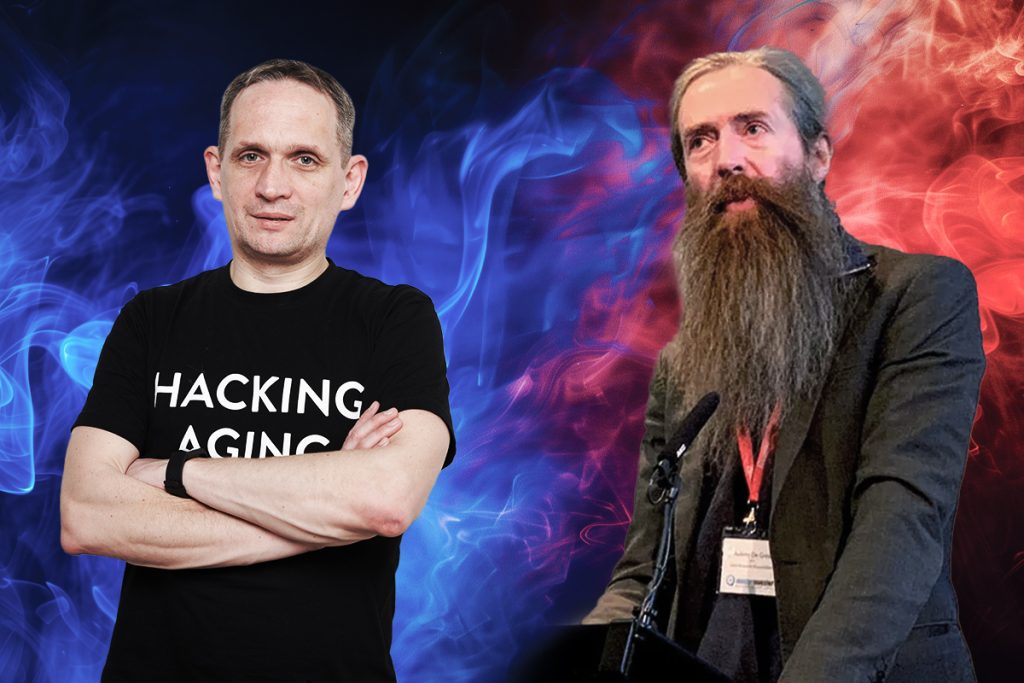
A milestone debate How to defeat aging between Peter Fedichev and Aubrey de Grey highlighted the importance of clear and measurable goals in longevity science. With a worldwide audience tuning in, the discussions dived deeply into rejuvenation biotech’s myriad and nuanced layers, and showcased contrasting perspectives on the future of aging research. By aligning scientific advancements with tangible goals, the debate highlighted the importance of bridging complex research and public understanding, reinforcing longevity science’s relevance and potential.
Read the full article
The Ten Levels of Longevity

Longevity.Technology’s Ten Levels of Longevity model provides a structured approach to understanding aging interventions. The framework spans foundational lifestyle changes, such as diet and exercise, to advanced biotechnologies aimed at reversing cellular damage. Our CEO Phil Newman emphasized the importance of addressing aging at multiple levels, stating: “Aging is a multifactorial process, and effective interventions require a nuanced approach.” This framework continues to influence both research and public health discussions.
Read the full article

