
Startup lands $17m to advance noninvasive approach where nanoparticles act as ‘antennae’ to communicate signals in and out of the brain.
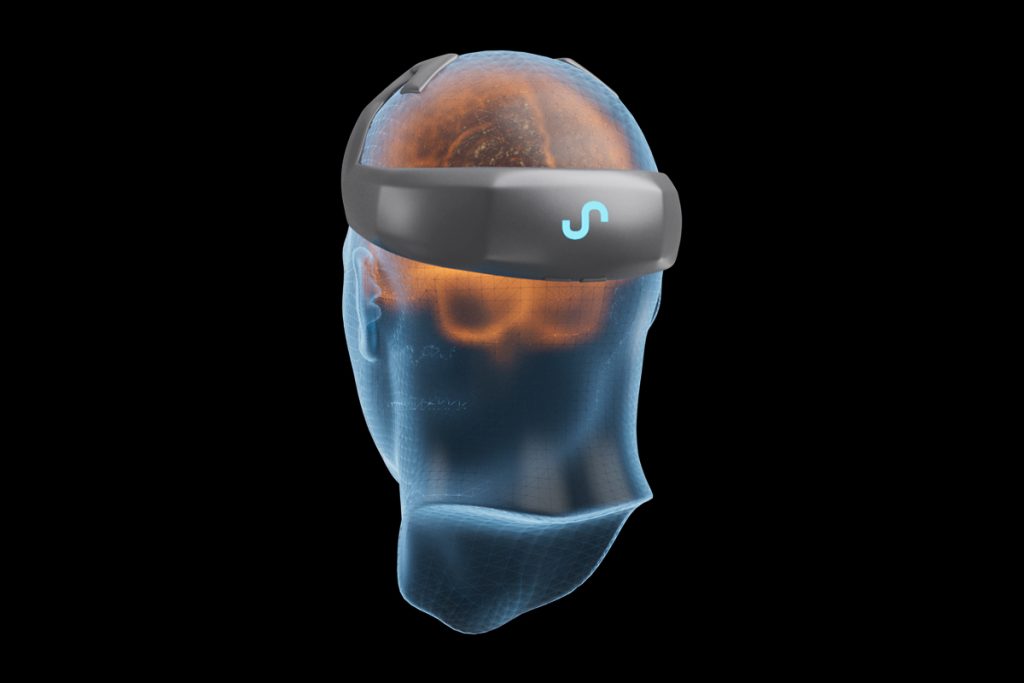
Neurotech startup Subsense has emerged from stealth with $17 million in seed funding to develop the first non-surgical, nanoparticle-based brain-computer interface (BCI). The company claims its approach has the potential to enable treatments for neurological diseases, improve brain function monitoring and expand the scope of human-machine interaction.
The BCI market is hot. While Elon Musk’s Neuralink probably dominates the headlines, a number of other companies have secured huge funding rounds for BCI development, including Blackrock Neurotech, Precision Neuroscience and Inbrain Neuroelectronics. However, all these companies are working on solutions that require surgical implantation of sensors.
Headquartered in Palo Alto, California, Subsense is pursuing a different approach. Founded by neurotech entrepreneur Tetiana Aleksandrova and investor Artem Sokolov, Subsense is creating a bidirectional interface that connects the human brain with external digital systems without requiring invasive medical procedures. The company is leveraging biocompatible nanoparticles designed to interact seamlessly with the human brain, and enable both the recording and stimulation of neural activity without surgical implantation.
“Brain-computer interfacing promises to unlock limitless human potential, but innovation has been held back by a lack of effective non-surgical approaches,” said Aleksandrova. “By delivering nanoparticles that bind with receptors in the brain, Subsense can achieve more extensive connectivity with a far gentler approach.”

The Subsense system is designed to capture and transmit neural signals with precision, forming a direct link between the brain and digital devices.
“Nanoparticles, by virtue of being very small, can cross the blood brain barrier and thus enter the brain non-surgically. Once there they can act as antennae to intermediate signals into and out of the brain,” Aleksandrova told us, explaining that Subsense’s approach enables the same level of signal fidelity as invasive BCI, but without the need for surgery.
By eliminating the risks and complications associated with invasive procedures, Subsense is aiming to make BCI technology safer and more accessible. The company claims its ability to target and stimulate specific brain regions offers new therapeutic possibilities for conditions such as Parkinson’s, Alzheimer’s, epilepsy, stroke, depression and chronic pain. By delivering precise neural stimulation, the system could potentially aid in restoring motor functions, improving rehabilitation therapies and offering new avenues for medical treatment.
Sokolov, whose Golden Falcon Capital led the funding round in Subsense, said he was attracted by the company’s “very different approach” to BCI.
“By offering an alternative to complicated and acute neurosurgical implantations, Subsense holds promise for tens of millions of neuro-compromised patients,” he added.
Beyond medical applications, Subsense is also exploring areas such as sensorimotor recovery for vision, hearing and movement, inner speech decoding and thought translation. Potential future developments include direct integration with artificial intelligence, external memory storage, mental health regulation and appetite control.
Subsense says it is working in collaboration with neurological research institutions, including UC Santa Cruz and ETH Zurich.
“The integration of nanoparticles into brain-computer interfaces marks a significant advancement in neuroscience,” said UC Santa Cruz professor Ali A Yanik. “The system-on-a-nanoparticle approach could greatly enhance the precision of neural communication, offering new possibilities for treating neurodegenerative diseases and expanding human cognitive capabilities.”

