
AgelessRX cofounder Sajad Zalzala on the power of telehealth to scale and accelerate preventative longevity care.
The rise of telemedicine has transformed healthcare accessibility, making it more efficient and cost-effective. This transformation is particularly crucial in longevity medicine, where preventative care and early interventions are paramount. As the debate around telehealth access continues within the broader healthcare ecosystem, we must recognize its unique potential in advancing longevity therapies and reshaping how we think about health and aging.
Telehealth: A catalyst for accessibility
For longevity therapies and research to become mainstream, they must be affordable and accessible. Traditional brick-and-mortar clinics have high costs, making care unfeasible for many Americans. Unlike acute care, longevity medicine proactively targets aging’s root causes rather than just managing disease symptoms to effectively extend both lifespan and healthspan. Research suggests age-related damage accumulates for decades before conditions like heart disease, Alzheimer’s and diabetes manifest – yet conventional medicine intervenes too late. Longevity interventions work to prevent, slow, and even reverse this damage, optimizing health and performance throughout life. Yet, today’s healthcare system isn’t built for large-scale prevention.
Telehealth is the natural solution.
Telehealth reduces costs by eliminating many of the expenses associated with physical clinics, while also increasing convenience for patients. In the past five years, telehealth consultations have grown by 103% and even 88% of physicians feel that telehealth improves clinical outcomes and work efficiency. Instead of requiring in-person visits, longevity interventions – ranging from lifestyle coaching and biomarker monitoring to prescription-based therapeutics – can be managed remotely, allowing for seamless and continual care. AgelessRx has seen an increase in active subscriptions by the thousands per month, demonstrating the need for recurring care and demand for remote services.

The health insurance myth: Why coverage isn’t the only answer
Many believe that securing insurance coverage for longevity therapies would be the silver bullet for accessibility. However, the American healthcare system operates on a reactive model, often referred to as “sick care” rather than healthcare. Insurance typically covers treatments only once a disease has manifested, rather than investing in preventative measures that could delay or eliminate illness in the first place.
Longevity medicine is fundamentally about prevention. While insurance coverage could provide financial relief, it is unlikely to be a sustainable long-term solution under the current system. Instead of relying solely on insurance, we should look toward innovative models that leverage telehealth and direct-to-consumer solutions, making longevity care more widely available now. Consumer interest in longevity interventions is on the rise, regardless of insurance coverage. Demand for AgelessRx’s geroprotective treatments has grown exponentially with an 8000%+ increase in GLP-1s for longevity-related weight loss; 100%+ increase in rapamycin and sustained interest in LDN, metformin, and NAD+.
The role of technology: AI and remote monitoring
Beyond simple teleconsultations, the integration of artificial intelligence (AI) and digital health tools will further accelerate the mainstream adoption of longevity therapies. AI-driven diagnostics, continuous health monitoring and personalized treatment algorithms can significantly enhance patient outcomes while keeping costs down.
For example, wearable devices and at-home testing kits allow for real-time tracking of biomarkers that are critical for tracking long-term health, such as inflammation markers, metabolic health indicators, and functional markers of the 80+ organs in our body. AI can analyze this data to provide tailored recommendations, reducing the need for frequent in-person doctor visits. When combined with telehealth platforms, these advancements create a powerful, scalable model for preventative longevity care.
Clinical trials, reimagined: Telehealth’s impact on innovation
To advance longevity research, we must rethink how we conduct it. The current clinical trial model is slow, expensive, and often disconnected from those who would benefit most. It isn’t built for the future we’re trying to create – but telehealth changes that. More than just a matter of convenience, telehealth accelerates research by breaking down archaic barriers, allowing us to test, validate, and refine longevity intervention strategies in real time. If we want these therapies to become the new normal in mainstream medicine, we need smarter, faster ways to drive progress.
Accessibility is one of the biggest bottlenecks in longevity research. Traditional trials require in-person visits, limiting participation to those near research facilities and skewing data. Telehealth removes these barriers, enabling nationwide enrollment, remote tracking, and real-world data collection at an unprecedented scale.
We saw this in action with our PEARL Trial, the largest-ever study on rapamycin for longevity. Telehealth allowed nationwide participation without logistical barriers. The result was a study that was not only larger but more reflective of how these therapies work outside of the confines of a highly controlled clinical environment.
Better research demands better systems. Telehealth isn’t just the future of healthcare – it’s the future of longevity research. The sooner we embrace it, the faster we can turn breakthroughs into mainstream medicine and create a healthcare model focused on prevention and life extension rather than “sick care” alone.
A paradigm shift: Policy and the future of longevity telehealth
While government policies could play a role in expanding access to longevity therapies, systemic change in the US healthcare system is unlikely in the near term. The current structure prioritizes acute care and reactive treatment over preventative strategies, leaving longevity medicine on the sidelines.
Telehealth is already overcoming systemic barriers, particularly through real-world data collection. While randomized clinical trials remain the gold standard, they are costly at scale and impractical for fast innovation. In contrast, telehealth enables decentralized trials using wearables and at-home testing, capturing real-world interactions and adherence patterns at scale. This isn’t just a workaround – it’s a faster, more effective way to validate longevity interventions for everyday use.
By empowering individuals to take control of their health through direct-access telemedicine platforms, we can bring longevity therapies to more people, rather than waiting for legislative change. But to maximize input, companies, and innovators in this space must continue to push for regulatory flexibility, allowing telehealth to thrive as a primary vehicle for longevity interventions.
The path forward
The mainstreaming of longevity therapies hinges on affordability, accessibility, and scalability. For longevity therapies to scale, telehealth and AI-driven solutions are key. While the traditional healthcare system remains focused on disease management, longevity medicine is about prevention –and telehealth provides the infrastructure needed to deliver this at scale. With this approach, extending healthy life by one year in the US could save $38 trillion dollars.
The longevity industry must embrace and advocate for telehealth-driven models, ensuring that individuals have access to proactive, personalized care without the limitations of physical clinics or outdated insurance structures. By doing so, we can pave the way for a healthier, longer-living society – one where longevity therapies are not just for the elite, but for everyone.
About Sajad Zalzala
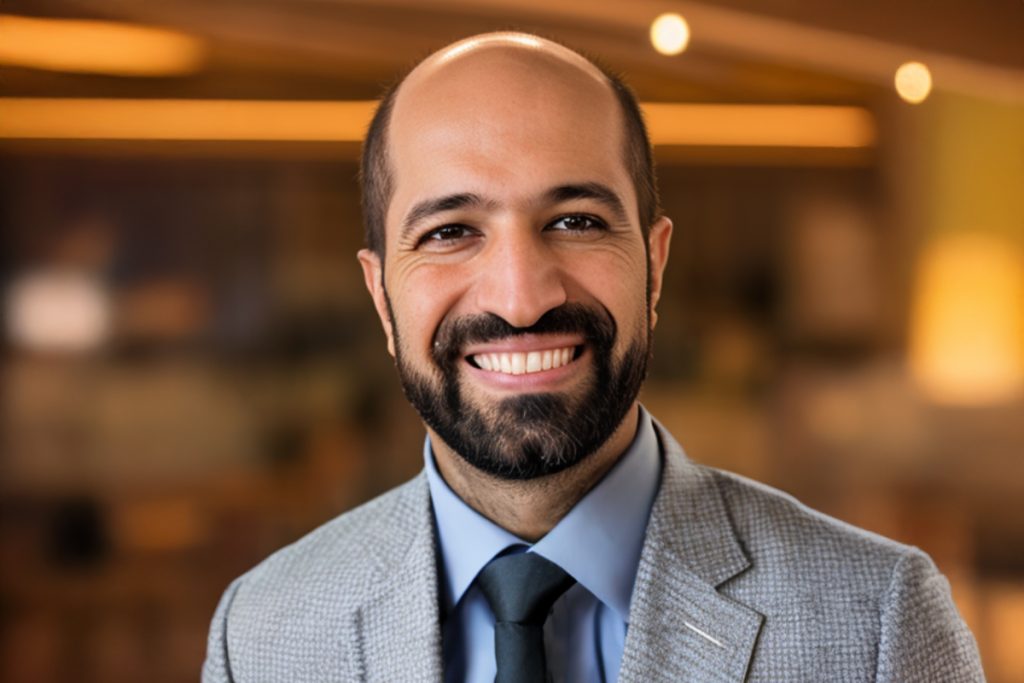
Dr Sajad Zalzala turned his passion for disease prevention and longevity into a decades-long career. Leveraging his experience guiding multiple healthcare startups to success, Dr Zalzala co-founded AgelessRx with a vision to build a platform for all things longevity and positively impact the lives of as many people as possible.
Dr Zalzala received his medical degree from Wayne State University and is licensed to practice medicine in all 50 States and Washington DC. Deeply committed to advancing longevity science, he has led several critical studies that have helped confirm the effects of healthspan-enhancing medications in humans, including serving as the Clinical Investigator for the groundbreaking PEARL trial, the world’s first and largest trial of Rapamycin for aging in humans.
He is an active member of the International College of Integrated Medicine, where he is a sought after speaker, has chaired two international conferences, and formerly served on the board. Dr Zalzala’s vision for AgelessRx is for it to be the go-to platform for all things longevity, and to positively impact the lives of as many people as possible.

