
Key de-extinction breakthrough leverages gene editing advances that may enable the development of therapies to mitigate the effects of aging.
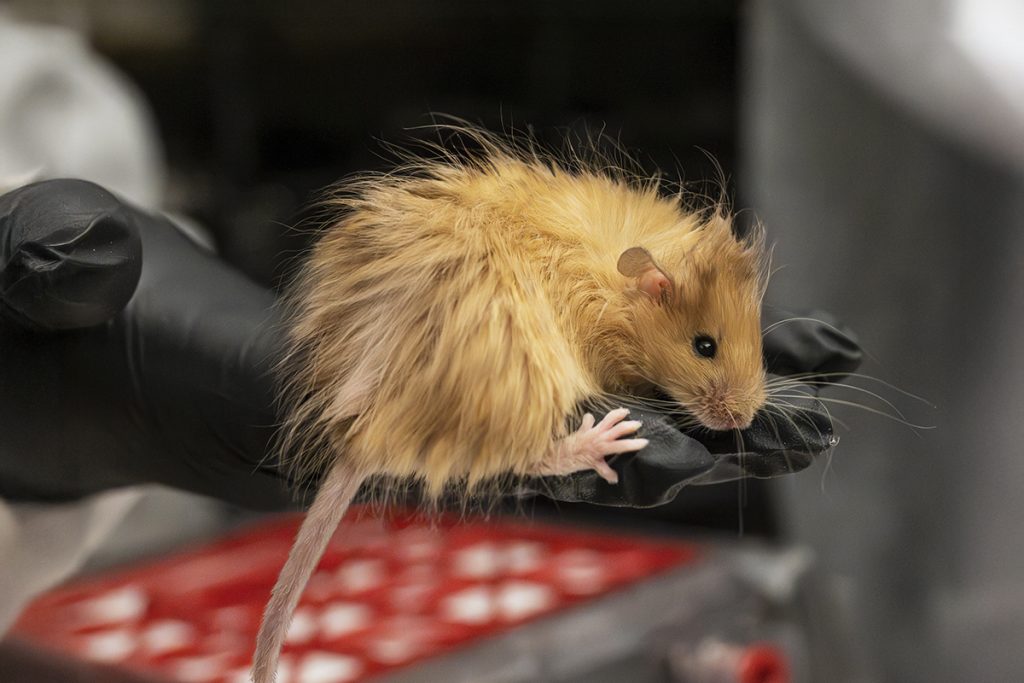
De-extinction biotech Colossal Biosciences has announced a significant milestone in its mission to revive the woolly mammoth and other extinct species using CRISPR-based gene editing. The company today unveiled the Colossal Woolly Mouse, a genetically engineered mouse model that expresses multiple mammoth-like traits adapted for cold environments.
By successfully modifying seven genes simultaneously, the woolly mouse exhibits distinctive characteristics, including altered hair length, texture, thickness and color, mimicking key adaptations seen in woolly mammoths. The achievement demonstrates the feasibility of reintroducing complex genetic traits lost to extinction through advanced genome engineering.
The woolly mouse project represents significant progress in genetic engineering, not just for de-extinction but also potentially for human health and longevity. By successfully introducing multiple mammoth-like traits into mice, Colossal has demonstrated the power of multiplex genome editing, a technique that can also be applied to human health, particularly in addressing complex, multi-gene aging processes.
“Colossal is currently focused on applying its technology to animal species (both extinct and endangered),” Colossal CEO Ben Lamm told us. “However, we believe the advancements made through our research have the potential to impact human healthcare in the future, among those areas of application are healthspan and longevity research.”
The ability to precisely edit multiple genes simultaneously marks a shift in genetic research, moving beyond single-gene therapies to a more sophisticated approach that can modify intricate biological traits. The development of the woolly mouse involved editing seven genes to produce characteristics such as longer, thicker and textured hair, changes in melanin expression affecting coat color, and alterations in lipid metabolism. These changes were guided by insights from mammoth genomes spanning over a million years, showcasing a level of precision and efficiency that could translate into medical applications in humans.
Many age-related diseases, including neurodegenerative disorders, cardiovascular conditions and metabolic syndromes, have complex genetic foundations that require targeted, multi-gene interventions. The methods developed for the woolly mouse – such as high-efficiency CRISPR-based gene editing, computational biology-driven target selection and advanced DNA synthesis – offer a potential framework for tackling these challenges in human medicine. The ability to edit multiple sites in the genome with a high degree of accuracy could open new pathways for treating diseases that currently have no cure.
“Our woolly mouse project drove innovations in areas combining the end to end process from our computational biology analysis tools to our multiplex precision genome engineering technologies,” Lamm told us. “These technologies enable precise and efficient genetic modifications at multiple sites within the genome at the same time, which could help with research focused on addressing the complex multi-genetic age-related diseases in the future.”
By further refining the genetic engineering techniques developed by Colossal, researchers may eventually develop therapies tailored to an individual’s genetic makeup, mitigating the effects of aging at a cellular level.
“Many diseases are multigenic in nature and require deep analysis computationally and being able to edit the genome at multiple sites with high degrees of efficiency to not cause off-target effects,” Lamm told us. “Our end to end process and the further development of our multiplex editing and DNA synthesis capabilities will lead to others being able to use our tools and system to treat these more complicated diseases. Together, these innovations are part of the science focused on developing personalized, targeted therapies to mitigate the effects of aging, accelerate the development of regenerative medicine, and extend both lifespan and healthspan.”
Beyond disease treatment, the woolly mouse research offers insight into the biological mechanisms that govern adaptation and resilience. The same processes that allowed mammoths to thrive in harsh, icy conditions may hold clues for enhancing human physiological resilience. Genetic modifications that improve cold tolerance, alter metabolism, or enhance cellular repair mechanisms could be repurposed to address aging-related decline, optimize human health, or even prepare humans for extreme environments, such as space travel.
“The Colossal Woolly Mouse demonstrates remarkable progress we’ve made in precise genome engineering, including optimized delivery methods, innovative multiplexing and combinations of gene targeting strategies,” said Colossal co-founder George Church, Professor of Genetics at the Wyss Institute and Harvard Medical School. “We are showing that we can now rationally design and construct complex genetic adaptations, with profound implications for the future of multi-gene de-extinction and engineering.”

