
Landmark conference concludes with call for unified physical theory of aging and enhanced AI–biology integration.
The inaugural Global Conference on Gerophysics, held earlier this month in Singapore, marked the formal emergence of a new interdisciplinary field aiming to bring the tools and frameworks of physics into the study of aging. Framed as a meeting that could one day be viewed in the same light as the Dartmouth conference of 1956 – regarded as the birthplace of artificial intelligence – the event brought together physicists, biologists, computer scientists and clinicians in an effort to create a shared scientific language for the biology of aging.
Longevity.Technology: Gerophysics is not positioned as a replacement for existing paradigms in geroscience but rather as a complementary approach – one that seeks to elucidate the fundamental physical laws and constraints underpinning biological aging. Where biology often describes aging as the cumulative result of damage or dysfunction at the molecular level, physics invites models that focus on energy landscapes, system stability, entropy and stochastic fluctuations. These frameworks may not only help explain observed phenomena but also generate new, testable hypotheses that could guide intervention strategies.
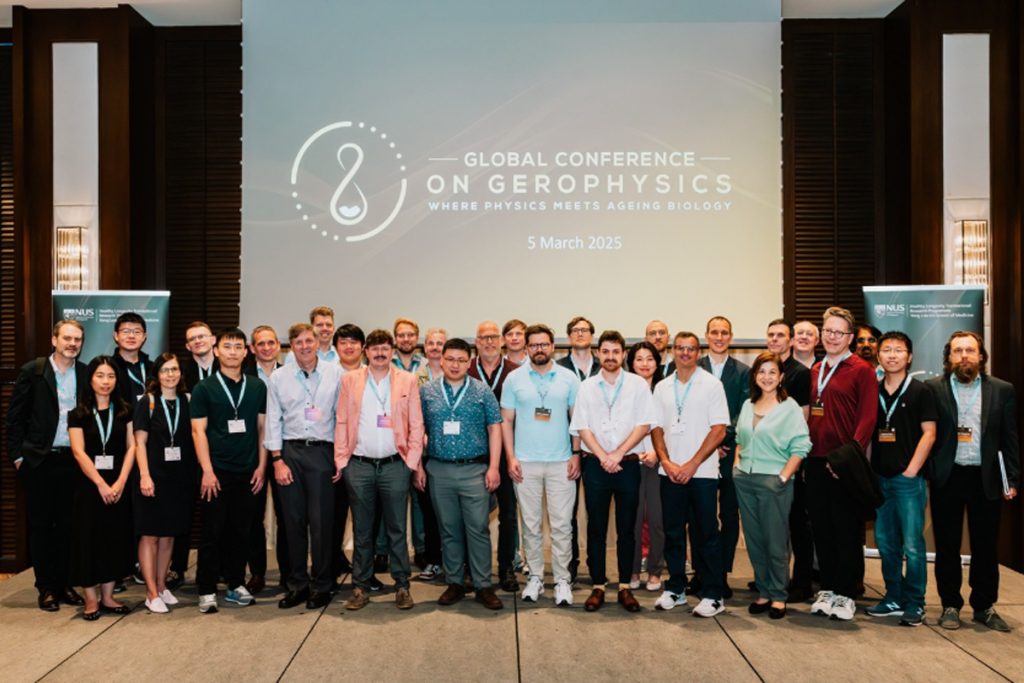
Structured over several sessions, the conference highlighted how mathematical abstraction, thermodynamic reasoning and systems-level thinking are beginning to yield novel insights into aging – some of which challenge longstanding assumptions. A recurrent theme was the potential to move beyond existing hallmarks of aging by developing models that unify disparate findings and are capable of predictive, rather than merely descriptive, power.
Using physics to simplify biological complexity
Opening the scientific programme, Professor Uri Alon introduced a mathematical model of aging rooted in physics-style abstraction. His formulation, based on the interplay between damage production, removal and noise, recapitulates observed mortality curves and functional decline trajectories across species. By analysing the curvature of survival plots, the model enables identification of genetic pathways that modulate aging processes – such as histone modifications and vacuolar acidification – demonstrating that abstract models can lead directly to biologically meaningful insights.
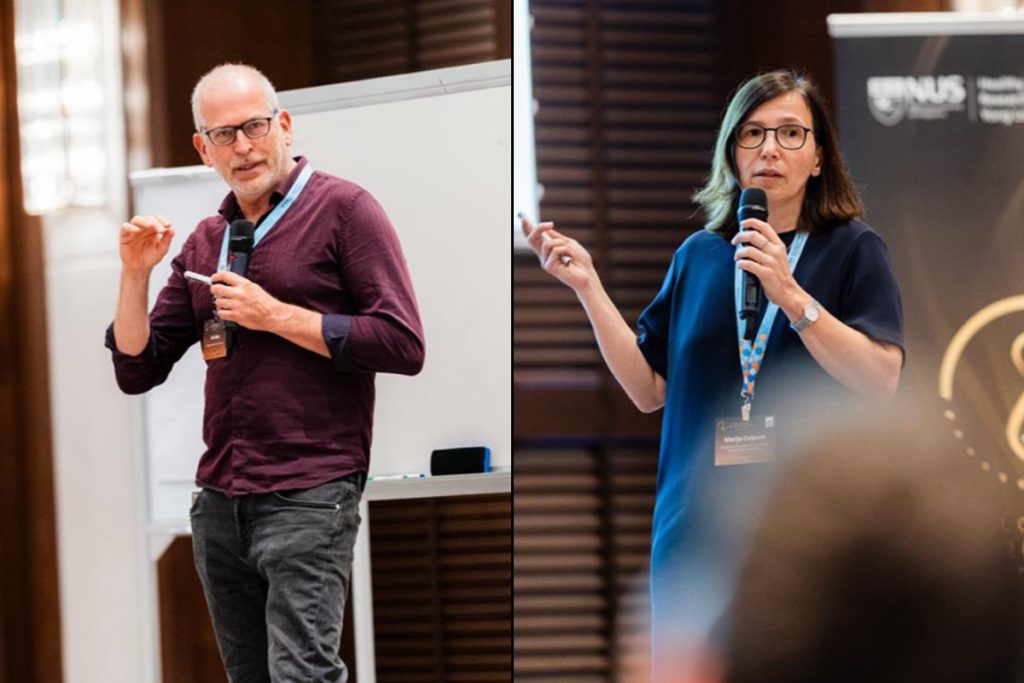
Professor Marija Cvijovic, working with yeast models, further explored how complexity in aging can be made tractable through multi-scale mathematical models. Her group’s framework integrates nutrient sensing, damage dynamics and metabolic flux to yield counterintuitive but experimentally validated predictions – such as the population-level benefit of declining repair capacity. The work illustrates how combining data-driven and mechanistic modelling may offer a path toward rational design of interventions.
Thermodynamic models of aging and resilience
Dr Peter Fedichev introduced a thermodynamic model distinguishing between stable and unstable organisms, arguing that in long-lived species like humans, aging is governed more by increasing fluctuations than cumulative damage. The concept of an “effective temperature” – representing systemic noise – suggests that interventions targeting fluctuations might yield lifespan extension even if traditional hallmarks are left unaltered. Such a model reorients aging biology toward resilience and homeostatic regulation.
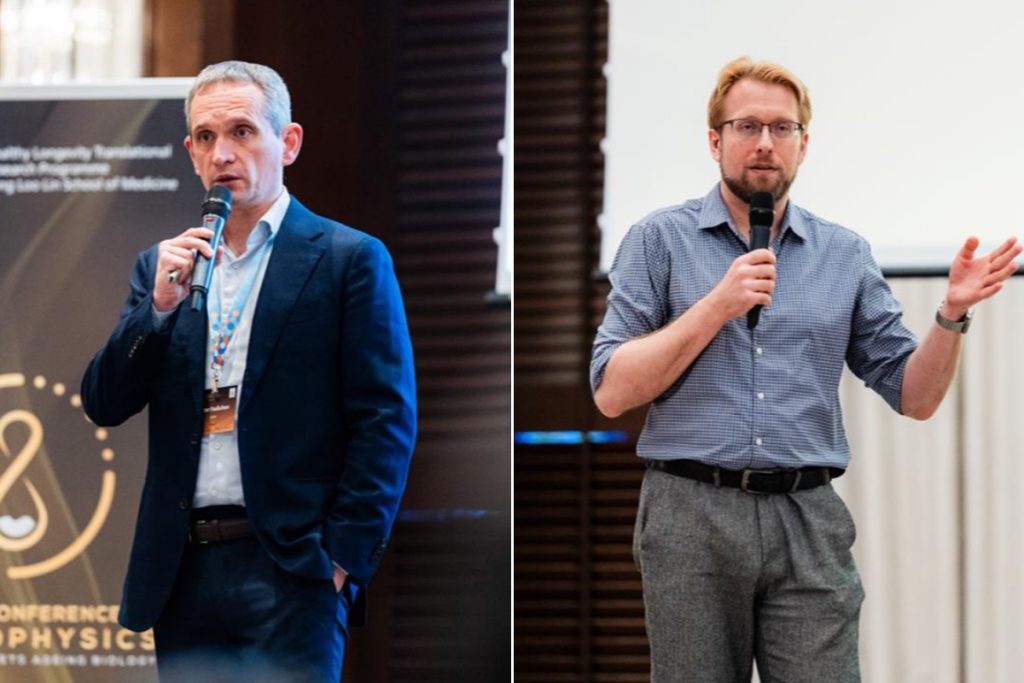
Associate Professor Jan Gruber applied a related model to C elegans, using it to explain anomalies in mortality dynamics that defy standard damage-accumulation theories. His simulations showed that worms drift through distinct aging phases, rather than progressing toward a fixed lifespan ceiling. The model clarified long-debated effects of genetic interventions – such as the delayed benefit of daf-2 mutation – without assuming damage repair, thus revealing new dimensions of aging plasticity.
AI and computation in service of aging biology
In a session on computation, Professor Matt Kaeberlein offered a critical appraisal of the field’s progress over the past half-century. Despite numerous mechanistic discoveries, few interventions have matched the efficacy of caloric restriction, and Kaeberlein proposed a “million molecule challenge” in C elegans to generate a perturbation-rich dataset for AI analysis – arguing that the field must pivot from description to manipulation and from pre-selected targets to open-ended exploration.
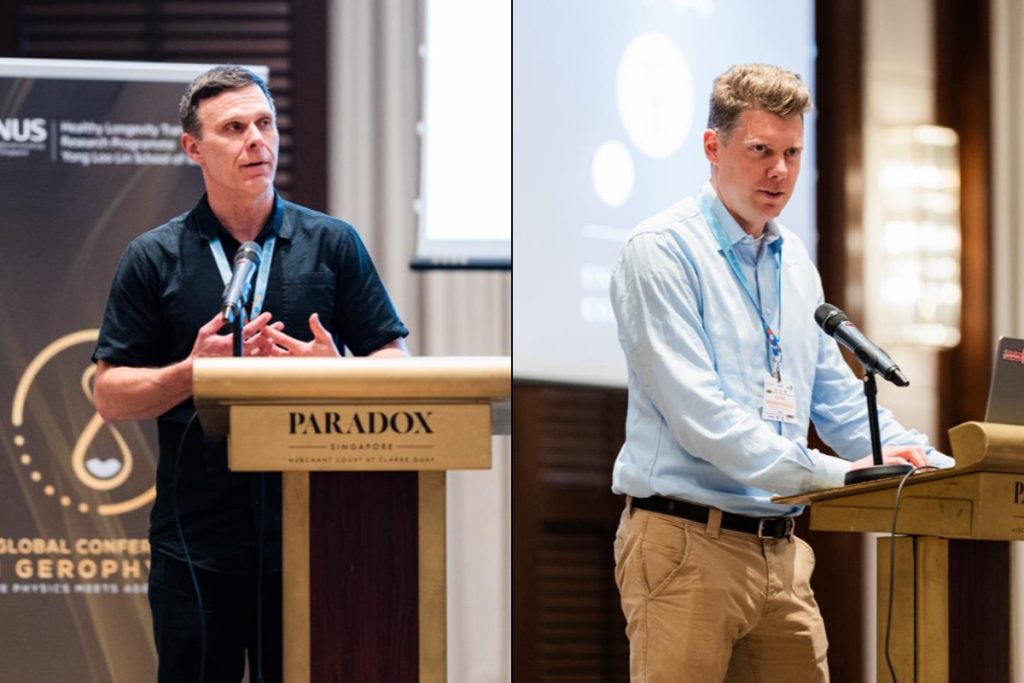
Professor Morten Scheibye-Knudsen presented an array of computational approaches to dissect aging phenotypes. His team analysed extensive data sets – from electronic health records to genetic syndromes – highlighting the “aging phenome” as a conceptual and practical tool. Findings ranged from age-predictive nuclear morphology to DNA damage signatures in WAC syndrome, culminating in a trial showing that nicotinamide riboside can reduce inflammatory markers in COPD patients.
Biomarkers, thermodynamics and the cellular aging landscape
Professor Andrew Teschendorff examined the stochastic nature of DNA methylation in aging and how epigenetic clocks can reflect both intrinsic and extrinsic aging trajectories. His models separate noise from signal in age prediction, and by incorporating protein interaction networks, he identified a conserved ribosomal module associated with biological aging. The work highlights the dual importance of randomness and structure in the aging epigenome.
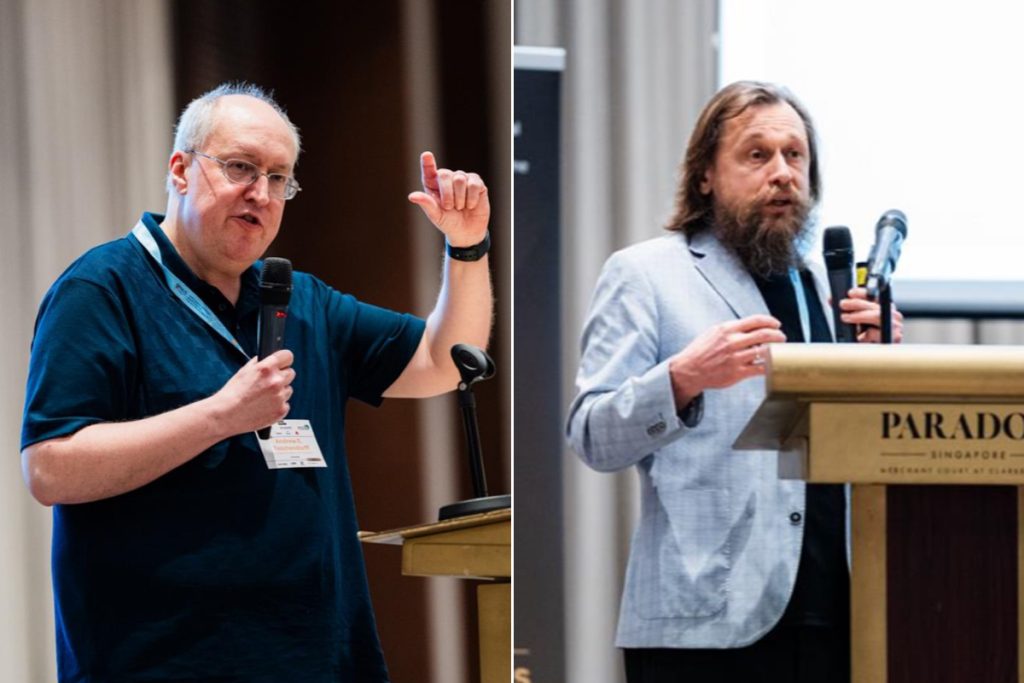
Professor Vadim Gladyshev proposed a thermodynamic framework in which aging arises from the accumulation of “deleter” – a term used to denote non-adaptive chemical changes – while longevity represents a distinct adaptive trait. He showed that exposure to young systemic environments can reverse deleter accumulation, supporting a nuanced concept of rejuvenation rooted in molecular reversibility rather than chronological reset.
Network biology, translational tools and system-level thinking
Professor Ee Hou Yong introduced a complex network model that reimagines biological systems as nodes and links subject to failure and repair. Metrics like network diameter and connectivity were applied to describe organismal robustness, offering an alternative to pathway-centric biology. His approach allows for cross-species comparisons and could assist in the development of universal aging metrics.
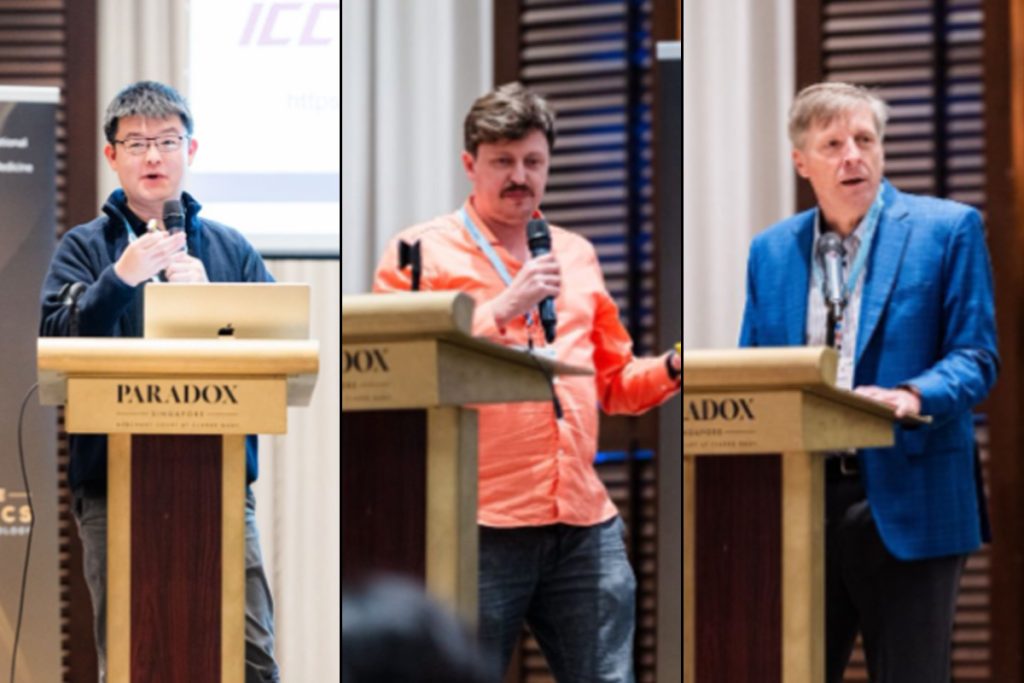
Dr Max Unfried brought a lipidomic perspective to comparative aging, analysing 390 lipid species across 34 mammals. Principal component analyses revealed lipid signatures predictive of lifespan, with longer-lived species showing more robust lipid networks. These findings suggest that biochemical composition and network structure may co-evolve with longevity, providing potential biomarkers and targets.
Professor Brian Kennedy closed the programme with a broad reflection on the current trajectory of aging research, urging the field to adopt a more integrative and systems-level approach. He introduced the concept of “keys and locks” as a unifying framework – linking interventions, diagnostics, biological hallmarks and clinical outcomes – in order to clarify the mechanisms through which aging may be modulated. Kennedy stressed the importance of distinguishing between longevity extension and longevity normalization, particularly in human studies where baseline variation can obscure true intervention effects. He also presented a clinically actionable biological age clock, suggesting that translational tools are beginning to catch up with theoretical insights. Advocating for stronger interdisciplinary dialogue, especially with the physical sciences, he argued that future progress will depend not only on data accumulation but on the deliberate design of discovery-driven research.
Toward a unified framework and collaborative future
In a closing discussion moderated by Dr Sebastien Thuault, a panel of speakers including Alon, Cvijovic, Fedichev and Gruber reflected on the potential of gerophysics. There was broad agreement that AI can serve as a partner in discovery – but only if paired with rigorous, theory-driven models. The need for interdisciplinary literacy was emphasised, particularly the importance of enabling physicists to ask biologically meaningful questions and biologists to think in terms of systems and states.
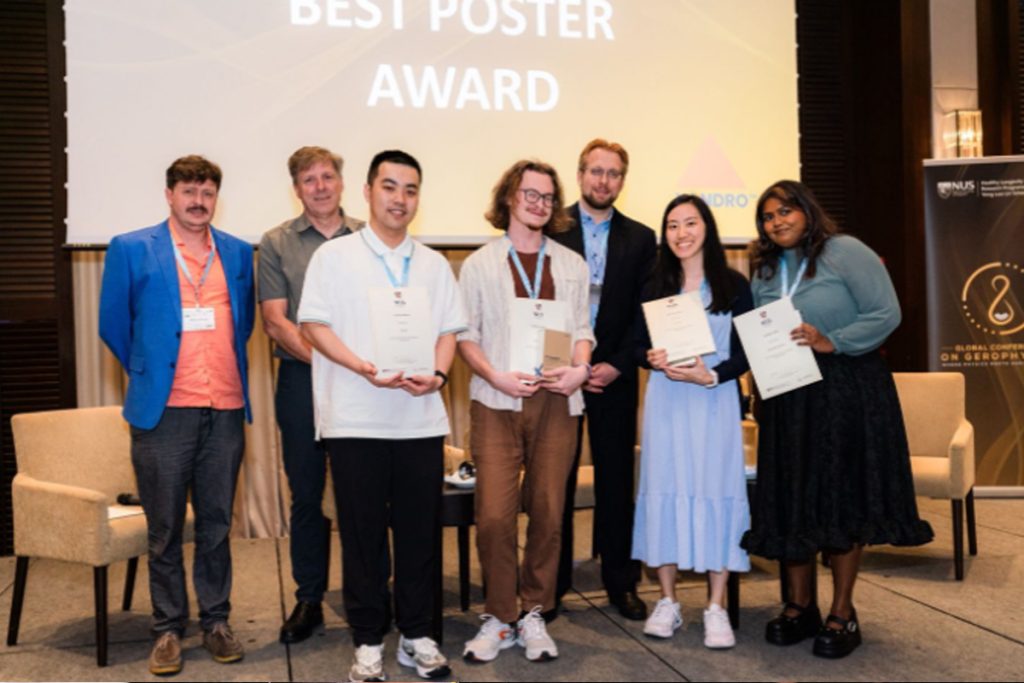
The event concluded with a one-minute poster pitch session, where 49 early-career researchers showcased a wide array of projects. Awards were given for work ranging from glycine’s vascular effects to the application of nanopillars for studying nuclear envelope aging. These presentations offered a glimpse into the field’s future – one that is computational, collaborative and increasingly quantitative.
As the field of gerophysics continues to evolve, the conference made clear that the integration of physics into biogerontology is not only feasible but increasingly necessary. Whether it will achieve the same historical stature as Dartmouth remains to be seen – yet for those in attendance, there was a shared sense that a new chapter had begun.

