
Prescription device delivers at-home vibration therapy to hips and spine, targeting bone loss in postmenopausal women with osteopenia.
Osteoboost Health has announced the national availability of its newly FDA-cleared wearable device designed to treat low bone density – specifically osteopenia, a stage of bone thinning that precedes osteoporosis but which accounts for more than half of all fragility fractures.
Osteoboost is the first prescription-only medical device of its kind cleared by the FDA to treat low bone density. Cleared as a Class II medical device through the De Novo pathway and designated as a Breakthrough Device, it is aimed at postmenopausal women with osteopenia – a demographic with historically few, if any, prescription treatment options before fracture occurs.
Designed for daily at-home use, Osteoboost delivers low-magnitude, targeted vibration therapy to the spine and hips – areas most commonly affected by fragility fractures. The treatment takes half an hour per day and is designed to be worn during everyday activities. The device has already been prescribed by more than 1,000 physicians, including clinicians at over 30 academic medical centers, during its pre-order phase.
Clinical validation and regulatory approval
Osteoboost’s FDA clearance follows a double-blind, placebo-controlled randomized clinical trial conducted at the University of Nebraska Medical Center. The study reported that Osteoboost therapy resulted in:
- 85% reduction in the loss of bone density in the spine
- 83% reduction in the loss of bone strength in the spine
- 55% reduction in the loss of bone density in the hip
No serious adverse events were reported in the trial, and patient compliance exceeded 80%.
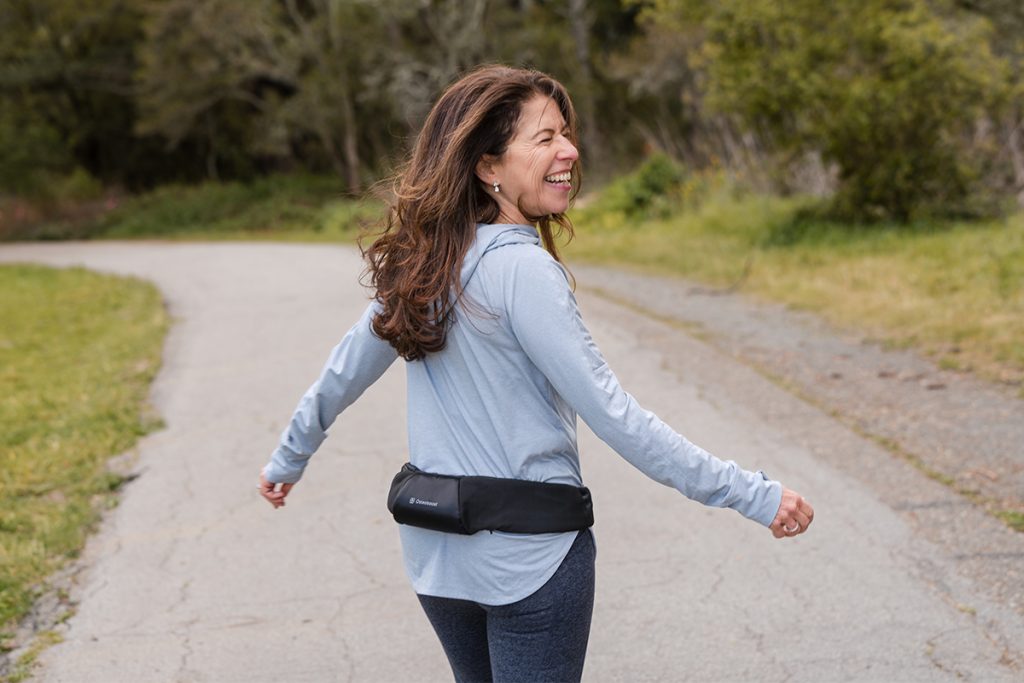
“The longevity conversation is everywhere, but people rarely mention bone health even though it is fundamental to aging with confidence,” said Laura Yecies, CEO of Osteoboost Health. “Osteoboost empowers people to lead longer, stronger, and more active lives. And while the belt is sophisticated medical technology rigorously tested and validated for efficacy, the treatment is so easy – 30 minutes a day of gentle vibration therapy that can be done while walking, cooking, or other daily activities.”
The company emphasizes that osteopenia, though often regarded as a benign early indicator of osteoporosis, is itself associated with a substantial risk of fracture. With more than 60 million Americans affected and with treatment largely limited to dietary supplements and exercise, the therapeutic void has been wide.
Dr Yevgeniya Kushchaeva, Clinical Director of University of South Florida Health Adult Endocrinology, and Medical Director of Adult Osteoporosis Program, is already actively prescribing the device.
“It’s been a long time since we’ve seen any new innovation for bone health, and yet every day I see patients who are terrified of the risks they face just walking down the street,” she said. “Osteoboost did this the right way. They spent years investing in the clinical trial and FDA approval processes – not an easy feat even for larger pharmaceutical companies.”
Access and innovation in women’s musculoskeletal health
Bone loss is particularly significant for women post-menopause, when hormonal changes accelerate declines in both bone and muscle mass. The interplay between osteopenia and sarcopenia is complex but consequential; when bone and muscle weaken in tandem, the path to frailty quickens. Yet despite its prevalence, osteopenia has long existed in a clinical blind spot – too early for drug-based intervention, yet too consequential to ignore.
By targeting this stage, Osteoboost offers a non-pharmaceutical intervention where few exist. To broaden access, the company has partnered with digital health platform Beluga Health, enabling patients to obtain a prescription via their own physician or through an online consultation. Osteoboost Health has also acquired Wellen, a digital platform offering exercise and fall prevention programs for women with low bone density.
Longevity.Technology: For all the attention longevity receives, bone health remains an unglamorous – yet critical – pillar of aging well. Osteoboost’s FDA clearance marks more than a technical milestone: it signals a shift toward prevention at a stage when intervention still has teeth. Osteopenia is not a benign precursor but a clinical warning shot; too often ignored, it initiates the cascade of falls, fractures, immobility, and frailty that robs older adults of autonomy. Importantly, bone loss and muscle loss go hand in hand – sarcopenia and osteopenia are interlinked hallmarks of aging that amplify one another, accelerating decline. That Osteoboost directly targets postmenopausal women – a group chronically underserved in innovation pipelines – shows the device’s relevance. And while wearables are plentiful, few can claim this level of clinical validation.
By delivering meaningful therapy in a form that fits daily life, and bypassing traditional access barriers via digital prescribing, Osteoboost has the potential to redefine how we think about bone loss – not as an inevitability, but as an opportunity for early, empowered intervention. And to find out more, we sat down with Osteoboost CEO Laura Yecies.
Osteoboost and the future of proactive bone care
Bone loss often begins quietly and progresses unnoticed until a fracture brings it to clinical attention. For Laura Yecies, CEO of Osteoboost Health, that delay in intervention represents both a medical gap and an opportunity.
“Bone health is a foundation of healthy aging, but it’s often overlooked until after a serious fracture occurs,” she says. “For women in midlife – a life stage where bone loss accelerates – early intervention is essential to maintaining strength and confidence.” She adds that it is also key to preserving function and independence. Yecies positions Osteoboost as “a clinically validated, drug-free way to protect bone density before fractures occur,” and notes that it is currently the only prescription treatment in this category free of serious adverse effects.
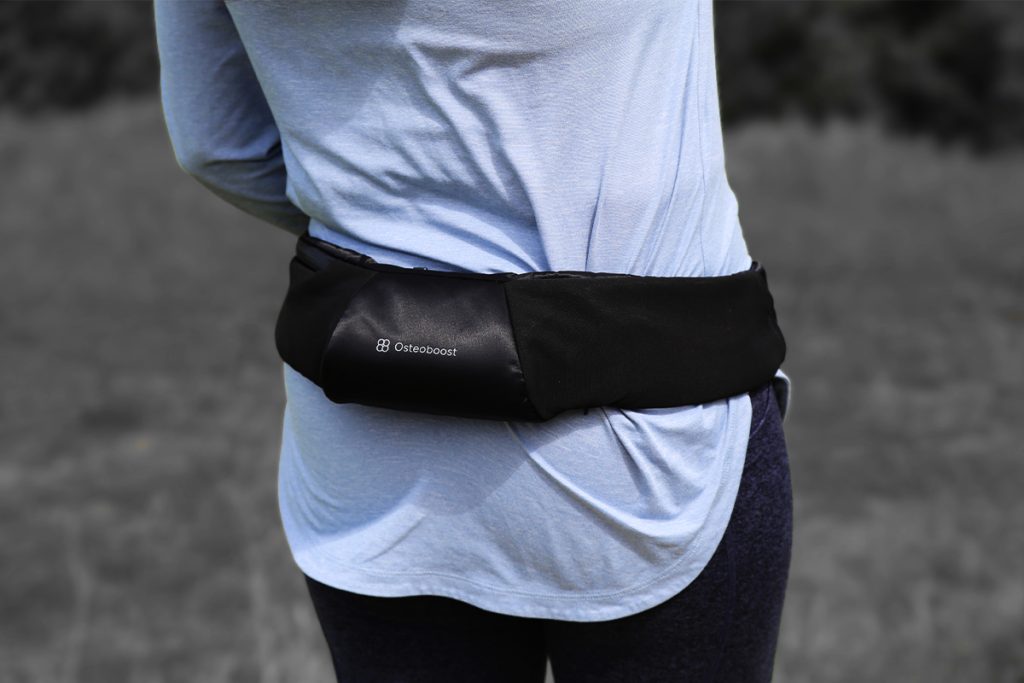
Yecies frames the device as part of a broader shift in the longevity landscape. As the focus moves “from simply living longer to living stronger,” the need for tools that support musculoskeletal integrity becomes more urgent. “Bone strength is not just one element of active aging – it’s a critical pillar,” she says. “Osteoboost makes it easier to maintain that foundation with evidence-based care at home.”
This pivot toward prevention is central to the device’s rationale. Yecies notes that the silent nature of bone loss highlights a broader failure of the reactive model of healthcare. “Care often starts only after serious damage has already happened,” she explains, and argues that early detection and at-home therapeutic devices have a crucial role to play in enabling a more proactive approach – not just in bone health, but across age-related decline more generally.
“Low bone density is a near-inevitable part of aging, and Osteoboost is helping make proactive care more accessible by redefining the standard of care, offering an early, science-backed option before fractures occur.”
Designing for everyday adoption
Crucially, Osteoboost was designed not only to meet clinical thresholds, but to slot seamlessly into everyday routines. Yecies believes this is a non-negotiable for longevity technologies aiming for real-world impact.
“For longevity-focused technologies to drive real change, they must meet two essential benchmarks: clinical validation and real-world usability,” she explains. “Strong clinical evidence ensures that a solution is safe and effective, but without seamless integration into daily life, even the most promising therapies risk falling short.”
The device’s wearable format – worn during routine activities – was chosen deliberately to maximize usability and long-term adoption, and the clinical trial results bear that out, reporting 80% excellent usability and adherence. “True prevention depends on sustained use,” Yecies says. “Behavioral adoption is just as critical as scientific efficacy.”
In that respect, Osteoboost aims to bridge two worlds: one of regulated medical devices and clinical rigor, and another of lifestyle technologies built for consistency and ease. For Yecies, this convergence represents the next frontier in healthspan innovation.
“Osteoboost reflects the future of healthspan technologies – where evidence-backed interventions are not just available, but actively embraced.”

