
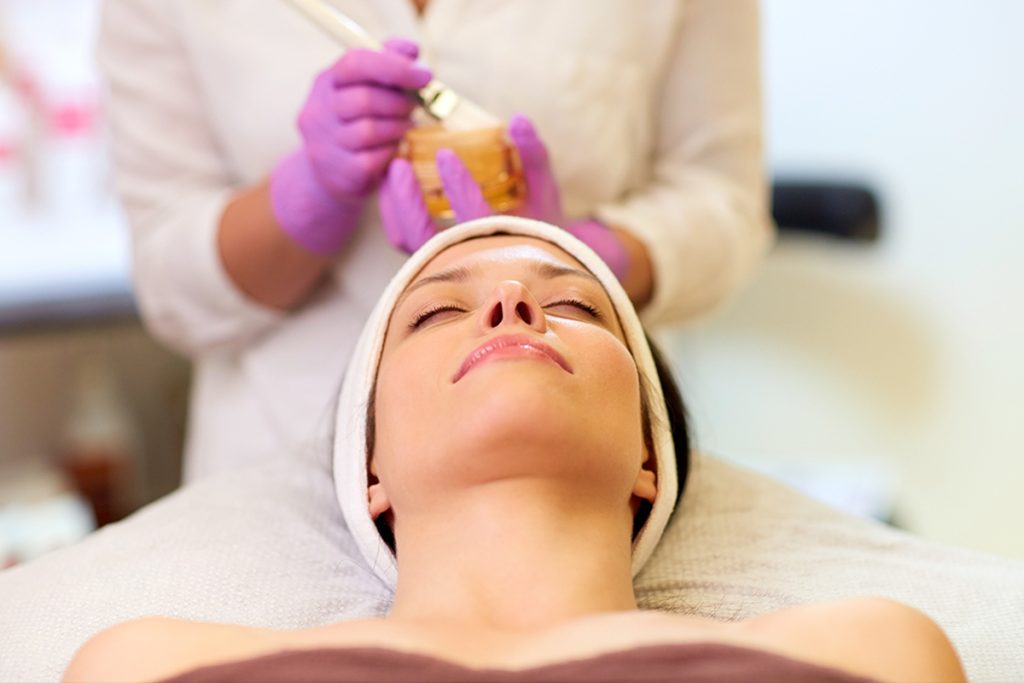
A new survey reveals how concern, confusion and carelessness all shape how women approach their skin health.
Why skin ages
Time may be kind to the soul, but it’s rarely as gentle on the skin. The gradual decline in collagen and elastin – those vital scaffolding proteins that keep the skin firm and springy – begins in our twenties. Add environmental assaults such as UV exposure, pollution and the daily choreography of facial expression, and you have a recipe for fine lines, dryness and the occasional crisis of confidence.
It’s no surprise, then, that new research from Hada Lado Tokyo reveals 77% of UK women are worried about their skin as they age, and nearly half say they’re most concerned about their face [1]. Yet, tellingly, a third admit they don’t even have a nighttime skincare routine – suggesting that while concern is high, consistent care is less so.
The science of skin
Our skin is both barrier and barometer; it reflects not only our biology but our lifestyle. “Your skin is your body’s biggest organ, making up around 8% of your weight,” explains Dr Nisa Aslam, GP and skin specialist. “It’s also your body’s first line of defense, blocking harmful bacteria, toxins and environmental stressors. Skin changes with age, which means skincare should too.”
Beneath the surface, the skin is a marvel of layers: the epidermis renews itself continually, the dermis supplies collagen, elastin and hyaluronic acid – nature’s moisture magnet – and the hypodermis cushions and connects. As time passes, this delicate system loses efficiency; hydration wanes, repair slows and the visible signs of age begin to show.
At-home skincare can do much to support these processes, but professional insight can help tailor routines to individual needs. From personalized facials to advanced dermatological assessments, exploring options through our Clinics directory can be a smart first step toward understanding what your skin truly needs at each stage of life.
Habits and hormones
If the biology feels inevitable, lifestyle plays its hand too. Sleep, diet, stress and sun exposure all influence how skin behaves. Even hormonal shifts can rewrite the rules: around one in three women in menopause report changes to their skin’s condition, yet fewer than one in five use products formulated for that stage of life.
“As an example, just 66% of women polled say they have a nighttime skincare routine, which means that a third of women aren’t giving their skin the TLC it needs overnight,” says Aslam. “Although over three-quarters have changed their skincare routine as they’ve aged, only 37% use products designed for their age.”
The emotional impact
It isn’t only about vanity; how skin looks and feels can affect how we move through the world. According to the same research, a third of women said they feel happy when their skin is looking good, while nearly the same number have canceled a social occasion because they weren’t confident in how they looked.
There’s a psychological dimension to aging well – confidence, self-regard, even social connection – and the skin, being so visible and so personal, often sits at the center of it.
Prevention, restoration and the modern approach
Fortunately, today’s understanding of skin health has evolved far beyond “cleanse and hope for the best.” Dermatology, aesthetics and preventive medicine now work hand in hand, offering everything from barrier-repairing skincare to clinic-based regenerative treatments designed to stimulate collagen or restore lost volume.
“Knowing how to care for your skin is vital and no matter what age you are, it’s always important to support your skin with the right diet, plenty of good sleep and a skincare routine which provides maximum hydration and protection,” says Dr Janine David of the Hada Labo Tokyo expert skincare hub.
Hyaluronic acid – that oft-mentioned molecule – remains a star player; its ability to attract and retain water helps skin stay supple and luminous. But no single ingredient is a magic bullet. Healthy skin depends on a blend of hydration, protection and patience – along with professional guidance when needed.
Finding the right support
Skincare may begin at home, but it often benefits from expert hands. Whether seeking a tailored aesthetic plan, noninvasive rejuvenation, or simply a professional assessment of your skin’s changing needs, it’s worth exploring what’s available. Our Clinics directory brings together trusted specialists across the world, making it easier to find a clinic that aligns with your goals and philosophy – whether that’s subtle prevention, restorative care or a little of both.
Skin deep – and deeper still
The skin tells the story of a life well lived; laughter lines, sun-kissed memories and all. But caring for it isn’t about resisting time – it’s about working with it, intelligently and kindly. As research continues to bridge the gap between aesthetics and longevity science, our future faces may not be ageless, but they can certainly be well cared for.
[1] Hada Labo 1000 women respondents aged between 18 and 60 surveyed online between 7 and 16 April 2025. Q45
Photograph: GroundPicture/Envato
The post Are we failing our skin? appeared first on Longevity.Technology – Latest News, Opinions, Analysis and Research.

