
Scribe Therapeutics CEO on how CRISPR technologies are ready to move beyond rare diseases and take on the world’s biggest killers.
In 2012, scientists Jennifer Doudna and Emmanuelle Charpentier made the Nobel Prize-winning discovery that the CRISPR system could be turned into a programmable tool for gene editing, sparking an explosion of research and laying the foundation for many of today’s most advanced therapeutics. The technology’s promise is profound: the ability to precisely edit DNA or modulate gene expression to correct the biological roots of disease.
Early clinical efforts have focused on rare monogenic disorders, where a single faulty gene drives the disease and the therapeutic strategy is relatively straightforward. But as CRISPR systems have matured, scientists have begun asking a larger question: can these tools be applied to the far more common, chronic conditions that impact global health and, ultimately, human longevity?
Longevity.Technology: Co-founded by Doudna, Bay Area biotech Scribe Therapeutics was founded on this very premise. Using next-generation CRISPR systems, the company aims to expand genetic medicine beyond rare disorders and into widespread conditions that affect tens of millions of people. And atherosclerotic cardiovascular disease (ASCVD) is at the top of the list – despite decades of progress, it remains the world’s leading cause of death. With programs targeting LDL-C, Lp(a) and severe triglyceride disorders, Scribe aims to leverage CRISPR as a mode of preventive medicine with ability to affect health on a population scale. To find out more, we sat down with CEO Dr Benjamin Oakes.
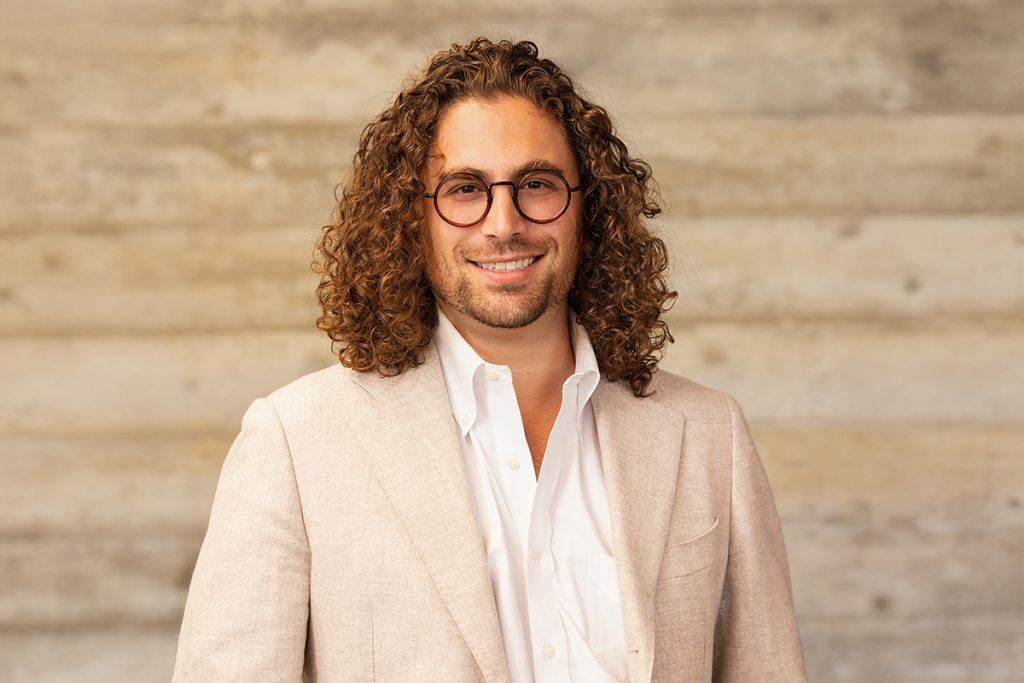
Around ten years ago, Oakes had a discussion with Scribe co-founders Doudna and Dave Savage about what they thought the future of genetic medicine should look like.
“We agreed the world needs to solve genetic diseases, but even if you solved all 10,000, half the room would still get ASCVD,” he recalls. “The simplest answer was: we should solve the leading cause of death globally, which is cardiovascular disease.”
CVD has genetic roots
Cardiovascular disease isn’t driven by a single gene but by a lifelong accumulation of risk factors. Among the most important of these are lipoproteins such as LDL cholesterol, Lp(a) and triglyceride-rich remnants. Oakes says that each has deep genetic roots – many people inherit levels that remain stubbornly high regardless of diet or exercise – and each is also causally linked to the development of atherosclerotic plaque.
“Among 100 people in a room, a few will naturally have ‘lucky genetics’ that lower LDL-C and give them around a 90% reduction in cardiovascular disease risk,” he explains. “Lp(a) is another major lipid reservoir – about 20% of people have high levels. And triglycerides and remnant cholesterol are yet another. If you address all three, you dramatically reduce population-level ASCVD risk.”
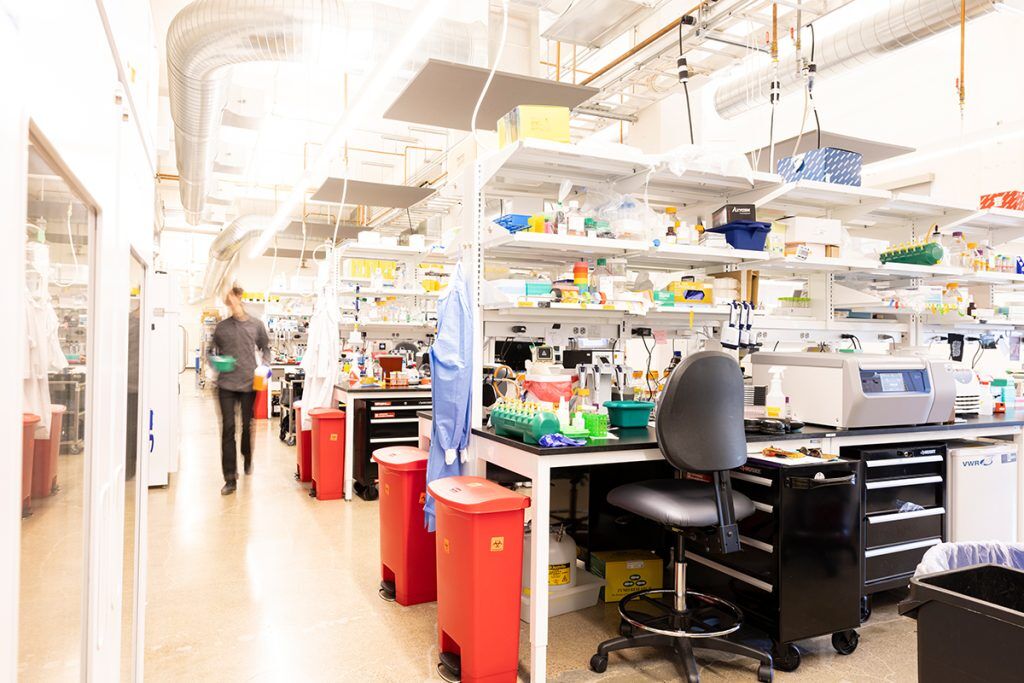
According to Oakes, the genetics of lipid biology is one of the most well understood areas of human biology, partly because lipids are so easy to measure.
“Thanks to work conducted over the past 30 years, we know that lipid biology is causative for ASCVD – we know which genes are protective and which are harmful,” he says. “We didn’t invent this concept – statins, PCSK9 inhibitors, and Lp(a) drugs in development are already targeting genetically validated pathways. The problem isn’t efficacy. The problem is adherence.”
Overcoming adherence issues
This is a key point. While therapies like statins can reduce risk, they also depend on adherence over decades. Many patients simply don’t remain on long-term medications long enough to realize their full benefit.
“Lipid accumulation happens over decades,” says Oakes. “Statins can lower LDL-C 40–60%, but fewer than half of patients stay on them for even a year. To prevent heart attacks, you need lipid lowering sustained for 20+ years.”
This is why Scribe believes there is an opportunity for genetic medicine to change the game. If a one-time treatment could safely and durably lower these genetically driven risk factors, it could have significant implications for cardiovascular disease prevention.
“Genetic medicines give you adherence-adjusted efficacy – one treatment, durable effect,” says Oakes. “You fix the problem and people can move on with their lives. Asking a 30-year-old to take a pill forever doesn’t work. Offering them a one-time infusion because everyone on their father’s side died of heart attacks? That’s a very different conversation.”
Of course, realizing that vision requires tools that are not only effective, but safe, predictable and well-tuned for use in large populations. Oakes says Scribe’s philosophy is simple: to build CRISPR tools and treatments that the founders themselves would feel comfortable taking – interventions designed for lifetime safety, durability and broad applicability.
‘Installing’ beneficial genetics
The company has three products currently under development, an epigenetic silencer to lower LDL-C, and two genome editors targeting Lp(a) and severe triglycerides
“The LDL-C product is our lead program, and it does not permanently change the genome – it uses our epigenetic silencer to turn down PCSK9 expression in the liver,” says Oakes. “This lets patients try diet and exercise first, and if that’s not enough, we can silence PCSK9 without making any permanent edits.”
“Elevated Lp(a) is essentially a massive genetic disease that affects up to 20% of the population, and severe triglycerides (FCS) is also a genetic condition so permanent genomic edits makes sense in these cases.”
The preclinical data seen by Scribe to date has been compelling. The company recently reported a ≥ 50% reduction in LDL-C for over 515 days in non-human primates, also reporting >95% Lp(a) lowering in vivo using a low dose in mouse models.
“If you could roll out treatments that tackle all three lipids at a population scale, you could get cumulative reductions that might match half of the total life-extension achieved by all of modern medicine,” says Oakes, who reveals that Scribe is currently in IND-enabling studies for its lead LDL-C program. “Three drugs could potentially recapitulate decades of progress.”
And, for those concerned about the idea of making a permanent change to their genome, Oakes suggests a different way of looking at things.
“Some people have naturally low LDL-C or naturally low PCSK9 levels because of mutations,” he says. “Those mutations give them a huge reduction in cardiovascular risk. Maybe they represent the optimal human physiology, and everyone else is just unlucky. We can either wait for natural selection, or we can ‘install’ the beneficial version. We can essentially redistribute the protective genetics from the lucky few to everyone else.”

