
Are you experiencing joint discomfort that’s hindering your daily activities? Incorporating specific foods into your diet can significantly improve your joint health. Many people face stiffness and limited mobility challenges, but dietary adjustments can make a substantial difference.
In this article, we will discuss the 10 best foods to support joint health. From fatty fish to colorful berries, these everyday options offer unique benefits to help you maintain a comfortable and active lifestyle.
How does diet affect joint health?
A balanced diet is essential for maintaining pain-free and healthy joints. The foods you eat have the power to either exacerbate or reduce inflammation [1]. Nutrient-rich options provide the building blocks your body needs to maintain joint flexibility and reduce discomfort.
Here’s why diet matters:
- Inflammation reduction: Foods like fatty fish and leafy greens are packed with anti-inflammatory compounds that can ease joint pain.
- Nutrient support: Nutrients such as omega-3 fatty acids, vitamins C and D, and antioxidants are essential for joint health and cartilage repair.
- Weight management: A healthy weight is maintained through eating a balanced diet, which eases the strain on your joints—particularly the knees and hips, which bear a lot of weight [2].
What foods are best for joint health?
Keeping your joints healthy and pain-free isn’t just about exercise or medication; what you eat can make a difference. Certain foods contain powerful nutrients that help reduce inflammation, strengthen cartilage, and keep your joints moving smoothly.
1. Fatty fish
Fatty fish like salmon, mackerel, and sardines are some of the best foods for supporting joint health. They’re packed with omega-3 fatty acids, which have been shown to reduce inflammation and alleviate joint pain.
- These healthy fats help reduce stiffness and joint pain, particularly for those suffering from conditions like rheumatoid arthritis.
- Omega-3s help lower the production of inflammatory molecules and enzymes that break down cartilage, the tissue that cushions your joints.
- In addition to benefiting your joints, fatty fish also support heart health, making them a great all-around addition to your diet.
2. Nuts and seeds
Nuts and seeds, such as chia seeds, flaxseeds, and walnuts, are excellent for joint health due to their high vitamin content. Their abundant supply of omega-3 fatty acids has been demonstrated to mitigate inflammation and relieve arthritic conditions.
- ALA helps reduce inflammation and, hence, pain and stiffness in the joints.
- These nuts and seeds are also packed with antioxidants like vitamin E, which protect your joints from oxidative stress and damage.
- Because they are so adaptable and simple to incorporate into various dishes, nuts and seeds are a great source of joint health benefits.

3. Leafy greens
Rich in nutrients, leafy greens such as Swiss chard, kale, and spinach promote joint health [3]. They are brimming with antioxidants, vitamins, and minerals that support the health of your joints and lessen inflammation.
- These vitamins are essential for collagen production and maintaining bone health, both of which are crucial for strong, flexible joints. Vitamin K, in particular, helps protect against cartilage damage.
- Antioxidants included in leafy greens combat inflammation, which is frequently the cause of joint stiffness and pain. These antioxidants also protect your joints from oxidative damage.
- You may eat leafy greens in various ways, and they’re simple to include in your diet.
4. Berries
These vibrant fruits contain antioxidants and vitamins that help protect your joints from damage and reduce inflammation.
- Berries are rich in antioxidants, particularly vitamin C and anthocyanins, which help neutralize free radicals that can cause oxidative stress and damage to joint tissues.
- The high levels of anthocyanins in berries have strong anti-inflammatory properties, helping to reduce joint pain and stiffness, especially in those with arthritis.
- Berries provide a nutrient-dense option for supporting joint health without adding unnecessary calories.
5. Olive oil
Olive oil is a common ingredient in many kitchens. It tastes good, is adaptable, and is very good for joint health. Particularly extra virgin olive oil contains a wealth of chemicals that support joint protection and inflammation reduction.
- Olive oil contains oleocanthal, a compound with anti-inflammatory properties similar to those of ibuprofen. This helps reduce joint pain and inflammation, especially in conditions like osteoarthritis.
- Monounsaturated fats [4], which are abundant in olive oil, improve general health by lowering inflammatory indicators in the body and consequently improving joint health.
- Olive oil is a multipurpose item that is simple to include in your diet because it can be used in cooking, marinades, and sauces.
6. Garlic
Garlic is more than just a flavorful addition to your meals; it’s a potent ingredient for supporting joint health. Known for its anti-inflammatory and immune-boosting properties, garlic can help alleviate joint pain and prevent further damage.
- Garlic has sulfur-containing compounds that inhibit the body’s production of inflammatory chemicals, thus reducing swelling and pain in the joints, particularly in conditions like arthritis.
- Frequent garlic consumption boosts immunity, which is especially advantageous for people with autoimmune diseases that impact the joints, including rheumatoid arthritis.
- Because it can be used in so many different recipes, garlic is a simple food to include in your regular diet.
7. Bone broth
Bone broth is a nourishing and traditional remedy that offers significant benefits for joint health. This nutrient-rich broth is packed with collagen, glucosamine, chondroitin, and amino acids, all of which support healthy joints.
- Consuming bone broth helps replenish your body’s collagen supply, promoting joint flexibility and reducing pain.
- Bone broth is particularly good for those with osteoarthritis because it contains natural substances called glucosamine and chondroitin that aid in the maintenance and regeneration of cartilage.
- Bone broth promotes intestinal health, which is becoming more well-acknowledged as a factor in lowering systemic inflammation, which includes inflammation in the joints.
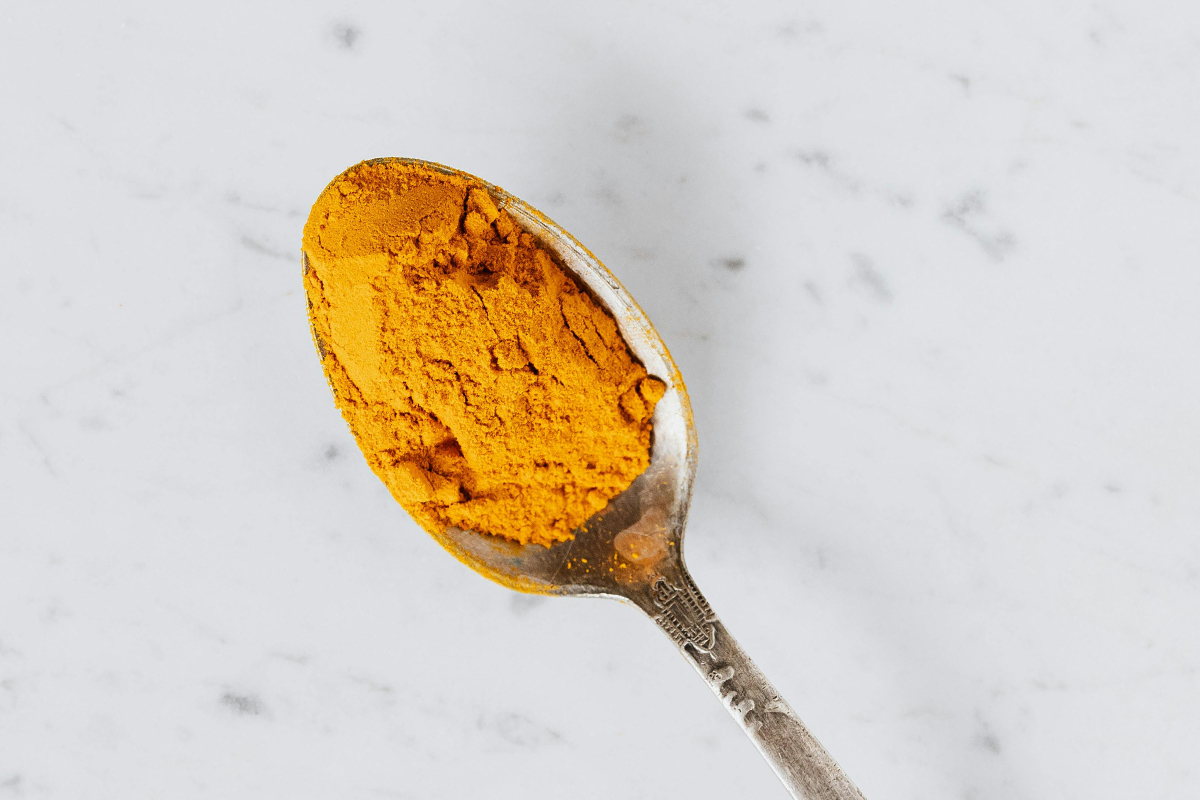
8. Turmeric
Turmeric is a golden spice renowned for its powerful anti-inflammatory properties, making it an excellent addition to your diet for supporting joint health [5]. The potential of curcumin, the main ingredient in turmeric, to lessen stiffness and discomfort in joints has been extensively researched.
- Turmeric’s primary active component, curcumin, works to block the body’s inflammatory processes, which helps to lessen the symptoms of arthritis and other disorders affecting the joints.
- Turmeric is a natural substitute for over-the-counter painkillers in the treatment of joint pain when taken regularly.
- Beyond joint health, turmeric also supports overall well-being by improving digestion, boosting immunity, and protecting against oxidative stress.
9. Green tea
Green tea is a soothing beverage that offers more than just a calming effect—it’s packed with antioxidants that can significantly benefit joint health. Known for its anti-inflammatory properties, green tea helps protect your joints and reduce discomfort.
- Strong antioxidants like epigallocatechin gallate (EGCG) found in green tea help fight oxidative stress and lessen joint inflammation, which is why people with arthritis can benefit from drinking it.
- Green tea can help maintain joint function and lessen discomfort by slowing down the deterioration of cartilage.
- In addition to its joint benefits, green tea also supports heart health, boosts metabolism, and enhances mental clarity.
10. Whole grains
Grains like brown rice, oats, and quinoa offer significant health benefits, particularly for joint health. These nutrient-packed foods provide a range of advantages that support your joints.
- Whole grains are high in fiber, which can help reduce inflammation. This is because fiber can lower C-reactive protein (CRP), a marker linked to inflammation and joint pain.
- Magnesium, which is vital for maintaining bone density and joint flexibility, is one of the vitamins and minerals found in whole grains.
- Whole grain fiber helps control blood sugar levels, prolongs feelings of fullness, and helps with weight management, all of which lessen the strain on the knees and hips and other weight-bearing joints.
In closing
Taking care of your joints doesn’t have to be complicated or overwhelming. Simple changes to your diet can profoundly impact how you feel daily.
The foods we’ve discussed—like fatty fish, nuts and seeds, leafy greens, and whole grains—are delicious and packed with nutrients that support joint health.
Your joints deserve care and attention, just like the rest of your body. By prioritizing these foods, you’re supporting your joint health and investing in a more active, pain-free future.
FAQs
What are the best foods for joint health?
Foods rich in omega-3 fatty acids, antioxidants, and anti-inflammatory properties are excellent for joint health. Examples include fatty fish, nuts, leafy greens, and berries.
Can diet alone improve my joint health?
Diet plays a significant role, but it’s most effective when combined with regular exercise and maintaining a healthy weight. A holistic approach offers the best results.
How do omega-3 fatty acids benefit my joints?
Omega-3s reduce inflammation and help maintain healthy cartilage. They’re particularly beneficial for those with arthritis.
How does green tea help with joint health?
Green tea is high in antioxidants that reduce inflammation and protect cartilage. Drinking it regularly can help maintain joint function.
[1] Better Health Channel. Arthritis and diet
[2] Versus Arthritis. Osteoarthritis (OA)
[3] Arthritis Foundation. Best Vegetables for Arthritis
[4] Science Direct. Monounsaturated fat
[5] National Library of Medicine. Turmeric, the Golden Spice

